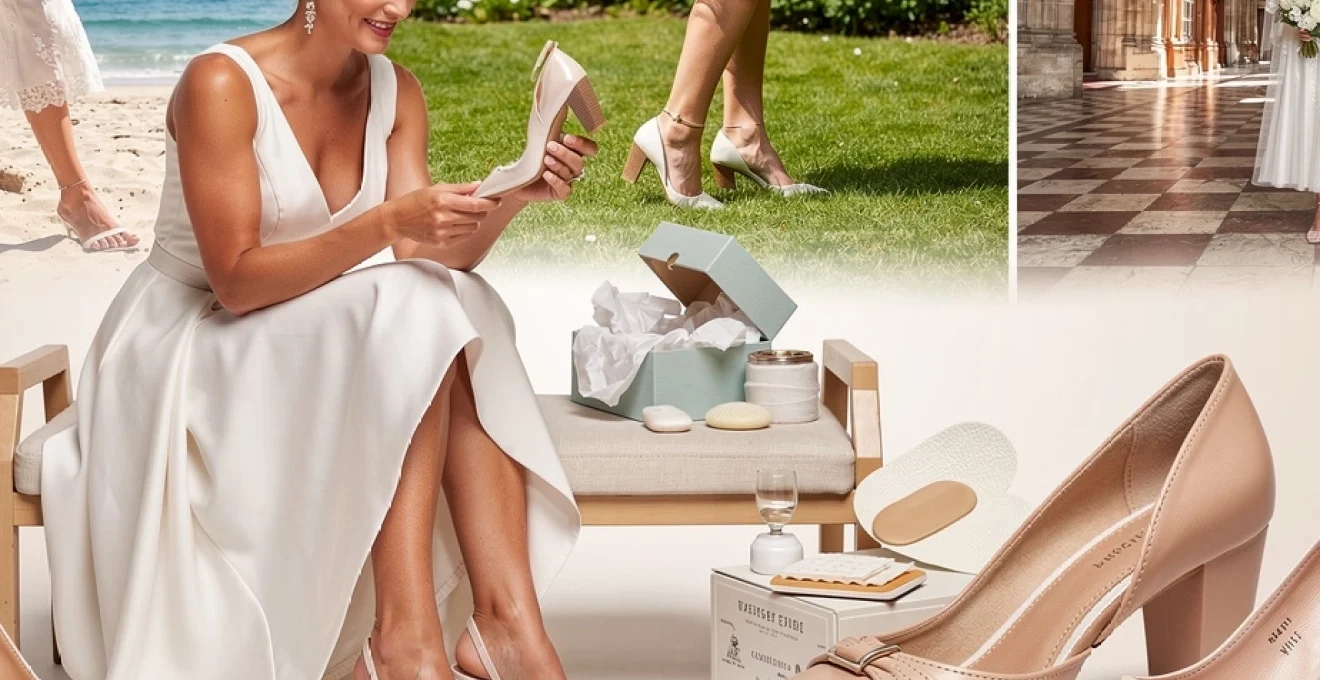
Your wedding day represents one of life’s most significant moments, where every detail contributes to creating the perfect celebration. While countless hours are devoted to selecting the ideal dress, venue, and flowers, the importance of choosing the right bridal footwear often receives insufficient attention. Yet your wedding shoes will carry you through approximately fifteen hours of standing, walking, dancing, and celebrating – making the balance between elegance and comfort absolutely crucial.
The modern bride faces an unprecedented array of options when selecting wedding footwear, from traditional satin pumps to contemporary block heels, and even unconventional choices like elegant sneakers. Understanding the biomechanical factors that influence comfort, alongside the aesthetic elements that create visual impact, enables brides to make informed decisions that enhance both their appearance and their overall wedding day experience.
Industry statistics reveal that 73% of brides experience foot discomfort during their wedding day, with many attributing this to poorly chosen footwear rather than simply extended wear time. This comprehensive guide explores the technical aspects of bridal shoe selection, examining everything from arch support engineering to venue-specific considerations, ensuring your special day remains memorable for all the right reasons.
Essential foot biomechanics and arch support considerations for wedding day footwear
Understanding the fundamental principles of foot biomechanics becomes particularly important when selecting wedding shoes designed for extended wear. The human foot contains 26 bones, 33 joints, and over 100 muscles, tendons, and ligaments – all working together to provide stability and mobility throughout your wedding day. When you consider that the average bride takes approximately 8,000 steps during her wedding celebration, the importance of proper biomechanical support becomes immediately apparent.
Plantar fascia distribution analysis for extended standing ceremonies
The plantar fascia, a thick band of tissue running along the bottom of your foot, bears significant stress during extended standing periods typical of wedding ceremonies. Research conducted by podiatric specialists indicates that improper weight distribution can lead to plantar fasciitis symptoms developing within just four hours of continuous wear. Modern bridal shoe manufacturers now incorporate graduated compression zones within their insole designs to distribute pressure more evenly across the plantar surface.
Wedding shoes featuring contoured arch support help maintain the foot’s natural alignment, reducing strain on the plantar fascia. Look for designs that include a slight curve beneath the arch area, which provides crucial support without creating pressure points. The most effective bridal shoes utilise dual-density foam construction, offering firmer support under the arch while providing softer cushioning in the forefoot and heel areas.
Metatarsal pressure points and Ball-of-Foot cushioning technologies
The metatarsal region, commonly known as the ball of the foot, experiences the highest pressure levels when wearing elevated footwear. Clinical studies demonstrate that heel heights above three inches can increase forefoot pressure by up to 76%, making advanced cushioning technologies essential for comfortable wedding day wear. Contemporary bridal shoe designers now integrate specialised metatarsal pads and gel cushioning systems specifically targeting these high-pressure zones.
Premium wedding footwear incorporates shock-absorbing polymers beneath the metatarsal heads, effectively redistributing impact forces across a broader surface area. These technologies, originally developed for athletic footwear, have been adapted for bridal applications without compromising the elegant silhouettes that brides desire. The integration of these comfort features requires sophisticated engineering to maintain the shoe’s aesthetic appeal while delivering measurable comfort benefits.
Heel height impact on postural alignment during wedding photography sessions
Heel height selection significantly influences postural alignment, which becomes particularly important during extended photography sessions where brides must maintain elegant poses for considerable periods. Biomechanical analysis reveals that heel heights between 2.5 and 3.5 inches provide the optimal balance between enhanced leg appearance and sustainable comfort. Heights exceeding four inches can cause forward pelvic tilt, potentially leading to lower back strain during lengthy photo sessions.
Professional wedding photographers often recommend that brides consider their natural posture and any existing musculoskeletal conditions when selecting heel heights. The angle created by elevated heels affects the entire kinetic chain
from your ankles through your knees, hips, and spine. When trying on potential bridal shoes, stand side-on to a mirror and notice whether your lower back arches excessively or your shoulders lean forward. If so, consider lowering the heel height or opting for a platform wedding heel that gives visual height without such an extreme angle. Many brides find that a 2–3 inch block heel offers the most flattering compromise between a lengthened silhouette and sustainable posture for long photography sessions.
Achilles tendon stress factors in traditional wedding shoe silhouettes
The Achilles tendon plays a pivotal role in absorbing shock and propelling you forward with each step, making it particularly vulnerable during long wedding days. Traditional bridal stilettos with steep inclines and rigid backs can compress the Achilles area, leading to irritation or micro-tears after hours of wear. Studies in gait analysis show that consistently elevated heels shorten the calf muscles and increase tensile load on the tendon by up to 20–25% compared with flat footwear.
To minimise Achilles strain in your bridal shoes, prioritise designs with a gradual heel pitch rather than a sharp incline. Back straps and heel counters should be softly padded and gently contoured, avoiding hard edges that dig into the tendon. Brides who regularly wear high heels will usually tolerate a slightly higher pitch, while those accustomed to flats should transition more conservatively. Incorporating pre-wedding calf stretches and short “rehearsal” wear sessions in your chosen shoes helps condition the Achilles, reducing the risk of discomfort during the ceremony and reception.
Premium bridal shoe construction materials and comfort engineering
Beyond heel height and arch support, the materials and internal construction of your bridal shoes have a decisive impact on comfort and longevity. Modern comfort engineering borrows heavily from sports and orthopedic footwear, discreetly integrating performance features into elegant bridal silhouettes. When you understand what is happening inside the shoe – beneath the satin, lace, or leather – you can make more informed choices that align with both style and biomechanical needs.
Memory foam insole integration in designer wedding shoes
Memory foam insoles have become a cornerstone of comfortable bridal shoes, thanks to their ability to conform to the unique contours of your feet. Unlike traditional flat insoles, high-density memory foam compresses under pressure and then slowly rebounds, distributing loads more evenly across the heel, arch, and forefoot. Independent footwear lab tests show that quality memory foam can reduce peak pressure points by up to 30%, which translates into less burning and fatigue after hours of standing and dancing.
However, not all memory foam is created equal. Look for multi-layer constructions that pair a responsive memory foam top layer with a firmer stabilising base, preventing that “sinking” feeling that can actually increase strain on your arches. Well-engineered bridal shoes often combine memory foam with targeted gel pods under the metatarsals and heel. When you try on shoes, pay attention not just to initial plushness but to how supported you feel when you walk – much like a high-quality mattress, the best bridal insole strikes a balance between cushioning and structure.
Italian leather grade classification for breathable wedding footwear
For brides seeking breathable wedding footwear that moulds beautifully to the foot, understanding leather grades is invaluable. Full-grain Italian leather is widely regarded as the gold standard: it retains the strongest fibres of the hide, offering superior durability, natural breathability, and the ability to soften and shape around your foot over time. This makes it ideal for bridal shoes you plan to re-wear after the wedding. In contrast, top-grain leather is slightly sanded for a more uniform appearance, trading some longevity and character for a smoother finish.
Lower down the hierarchy, corrected-grain and bonded leather are less breathable and more prone to cracking, which can quickly undermine comfort on a long wedding day. If you are investing in designer wedding shoes, check product descriptions or ask the boutique about leather grade and origin, particularly for the lining. A soft, high-grade leather lining helps wick moisture, reducing friction and blisters, while synthetic linings can trap heat like a plastic raincoat. When combined with perforated insoles or micro-holes under the arch, premium leather contributes to a cooler, more comfortable bridal shoe interior.
Shock-absorbing midsole technologies from nike air and clarks cushion plus
One of the most exciting developments in bridal shoe comfort is the adaptation of athletic midsole technologies to formal silhouettes. Systems inspired by Nike Air, for example, utilise encapsulated air pockets or lightweight foam units to disperse impact forces as you walk. While you may not see a visible air bubble in your wedding heels, similar technology can be hidden within the midsole, particularly in platforms or block heels, to create a subtle “trampoline” effect underfoot.
Likewise, technologies akin to Clarks Cushion Plus focus on targeted support rather than uniform padding, placing additional cushioning where biomechanical studies show the most strain – usually under the ball of the foot and medial arch. Picture it like the suspension system in a car: you rarely see it, but it determines how smooth the ride feels over uneven ground. When you are comparing comfortable wedding alternatives, ask whether the brand incorporates any proprietary shock-absorbing systems in the midsole. You will often notice the difference when you walk briskly in the shoes – your heel strike should feel soft yet stable, not jarring.
Anti-slip outsole compounds for church aisle and reception venue safety
Elegance loses its appeal if you spend your day worrying about slipping on polished church floors or glossy marble reception tiles. Anti-slip outsole compounds, often derived from advanced rubber blends or micro-textured TPU, provide the necessary traction without appearing bulky. Technical testing measures coefficient of friction on both dry and slightly wet surfaces; bridal shoes with higher scores are less likely to slide on stone, wood, or tile.
When you try on potential wedding shoes, gently mimic your aisle walk on similar flooring if possible, paying attention to how confident you feel with each step. Outsoles with fine siping (tiny cut-like grooves) or subtle patterns generally offer better grip than completely smooth leather soles. If you fall in love with a pair that lacks traction, you can add discreet stick-on grip pads or ask a cobbler to lightly score the sole surface. This small adjustment can dramatically reduce slip risk, especially during your first dance or when navigating stairs in a long gown.
Designer brand analysis: jimmy choo vs louboutin vs comfortable wedding alternatives
Iconic designer heels from labels like Jimmy Choo and Christian Louboutin remain aspirational choices for many brides, but how do they compare in terms of comfort and fit? Jimmy Choo is often praised for slightly roomier toe boxes and more balanced heel pitches, making many of its bridal styles comparatively kinder to the feet. The brand frequently uses padded insoles and softer linings, which can ease pressure during long ceremonies and receptions.
Louboutin, meanwhile, is renowned for its sculptural silhouettes and signature red sole – a striking visual statement in wedding photography. However, the steeper pitch and narrower toe shapes in many Louboutin designs can translate into higher forefoot pressure, particularly in heel heights above 100 mm. Brides who choose Louboutin for their wedding often reserve them for the ceremony and photos, switching to more forgiving shoes for the reception. If you are considering either brand, schedule an in-person fitting and walk for several minutes on hard flooring, not just plush carpet, to gauge realistic comfort.
For those prioritising all-day wearability, there is a growing market of comfortable wedding alternatives that blend luxury materials with ergonomic design. Brands specialising in bridal block heels, cushioned kitten heels, or even embellished flats often incorporate superior arch support, wider lasts, and advanced insoles as standard. Think of these labels as the “tailored suit” of bridal footwear: less instantly recognisable than a famous logo, but custom-built to fit real feet and real movement. Many brides opt for a hybrid approach – investing in an iconic designer pair for specific moments and a second, more comfort-engineered pair for dancing and late-night celebrations.
Wedding venue-specific footwear selection strategies
Your wedding location is one of the most powerful variables in choosing the right bridal shoes. The same stilettos that look perfect on a ballroom floor may be completely impractical in sand, grass, or on historic stone. By aligning your footwear with the terrain and microclimate of your venue, you not only protect your shoes but also ensure you can move confidently and gracefully in every part of your day.
Beach wedding sand-resistant sole design and saltwater protection
For beach weddings, the traditional high stiletto is almost always a recipe for frustration. Instead, consider flat or low-heel sandals with wider soles that distribute weight and prevent you from sinking into the sand. Flexible, slightly textured rubber outsoles help you grip shifting surfaces, while adjustable ankle straps keep your feet secure as you walk along the shoreline. Many brides choose minimalist, barefoot-style sandals or elegant espadrilles for ceremonies directly on the sand.
Saltwater, humidity, and fine sand can be harsh on delicate materials like untreated satin or suede, so protective treatments are essential. Clear water-repellent sprays designed for leather and fabric create a barrier against moisture and staining, much like a raincoat for your bridal shoes. After the wedding, gently rinse off any salt residue with a damp cloth and allow the shoes to dry away from direct heat to preserve their shape. If you plan post-ceremony photos on rocks or a jetty, ensure your soles offer enough traction to navigate these uneven, often slippery surfaces safely.
Garden party heel width requirements for grass stability
Garden and vineyard weddings often feature picturesque lawns – and hidden hazards for narrow heels. Thin stilettos can sink deeply into soft grass, causing instability and potential damage to the heel structure. A general guideline is to opt for a heel base at least 2–2.5 cm wide for outdoor grass settings, which is why bridal block heels and wedges have become such popular choices for rustic and countryside venues.
If your heart is set on a slimmer heel, clear heel protectors can temporarily widen the base and prevent it from piercing the turf. These discreet accessories clip onto the heel tip and are barely visible in photos, yet dramatically improve stability. Think of them as snowshoes for your stilettos – increasing surface area so you can “float” over the lawn instead of sinking. Always test your chosen shoes in a similar outdoor environment before the big day to confirm that you can walk confidently across grass, gravel paths, and any sloped areas of your venue.
Cathedral stone floor navigation and echo minimisation features
Historic churches and cathedrals often feature polished stone or marble floors that are both beautiful and unforgiving. On such hard surfaces, shock absorption and slip resistance are paramount. Shoes with thin leather soles can create a loud, echoing click with every step down the aisle, which some brides find distracting. To soften the sound, look for outsoles made from fine rubber or composite materials that cushion impact and dampen noise.
Another consideration in these grand spaces is temperature: stone floors can feel cold, especially in cooler seasons, so closed-toe bridal shoes or lined sandals help keep your feet warm during a long service. If your gown has a dramatic train or veil, test your ability to pivot and turn on the same type of flooring without the shoes catching. Adding a subtle non-slip coating or discreet grip pads to the soles can enhance both your confidence and your composure as you walk towards the altar in a quiet, echoing cathedral.
Outdoor reception weather-resistant upper materials and treatments
Outdoor receptions introduce a layer of unpredictability, from dew-soaked grass to unexpected light rain. To protect your bridal shoes in these conditions, prioritise uppers made from treated leather, high-quality synthetic satins, or fabrics that have been pre-sprayed with weatherproofing solutions. These materials are less likely to absorb moisture or stain from damp ground, allowing you to move freely between indoor and outdoor spaces.
If your wedding is in a region prone to sudden showers, consider a second, more robust pair of shoes (such as chic wedges or embellished block heels) specifically for the reception. Much like bringing a wrap or jacket for changing temperatures, having weather-ready footwear is a simple form of contingency planning. After the event, clean and dry your shoes promptly; mud or moisture left overnight can permanently mark delicate fabrics and weaken adhesives and stitching.
Pre-wedding shoe break-in protocols and fit optimisation techniques
Even the most beautifully engineered bridal shoes need a proper break-in period to truly become part of you on the day. Wearing brand-new heels for the first time at your wedding is a bit like running a marathon in fresh-out-of-the-box trainers – technically possible, but unnecessarily risky. Aim to purchase your bridal shoes at least 6–8 weeks before the wedding, giving yourself time for multiple short wear sessions at home.
Start by wearing your shoes for 20–30 minutes on clean indoor floors, gradually extending to one or two hours as they begin to mould to your feet. This staged approach allows the materials to soften and your skin to adapt without generating blisters. If certain areas rub – common hotspots include the heel collar and little toe – apply moleskin or silicone blister pads in advance rather than waiting for irritation to occur. A professional cobbler can also stretch tight spots by a few millimetres, particularly on leather styles, achieving a more bespoke fit.
Fit optimisation is especially important when your wedding dress hem depends on your shoe height. Bring your actual bridal shoes to every fitting so your seamstress can set the length precisely. If you are torn between two heel heights, decide before the final fitting to avoid tripping hazards caused by an overly long gown. For brides with orthotics or specific arch support needs, look for shoes with removable insoles or sufficient internal depth to accommodate a slim custom insert, keeping your alignment and comfort consistent throughout the day.
Emergency comfort solutions and bridal day foot care contingency planning
No matter how carefully you plan, it is wise to prepare a foot care “just in case” kit for the wedding day itself. Place it with your emergency sewing kit or give it to a trusted bridesmaid. At a minimum, include blister plasters in multiple sizes, roll-on anti-friction balm, spare silicone gel cushions for the ball of the foot, and a small pack of pain relief (as advised by your healthcare provider). These simple tools can transform a potential crisis into a minor, quickly solved inconvenience.
Many brides also pack a backup pair of ultra-comfortable bridal shoes – such as embellished flats, block-heel sandals, or even chic white sneakers – for the reception. Think of this as your “second look” for your feet: still stylish, but optimised for dancing and late-night mingling. If you anticipate very long festivities, schedule a five-minute “foot reset” into your timeline after the ceremony or during cocktail hour to sit down, rotate your ankles, and stretch your calves. Like any well-executed event, a pain-free wedding day relies on both thoughtful planning and smart contingencies, ensuring your bridal shoes support every step of your celebration in both elegance and comfort.