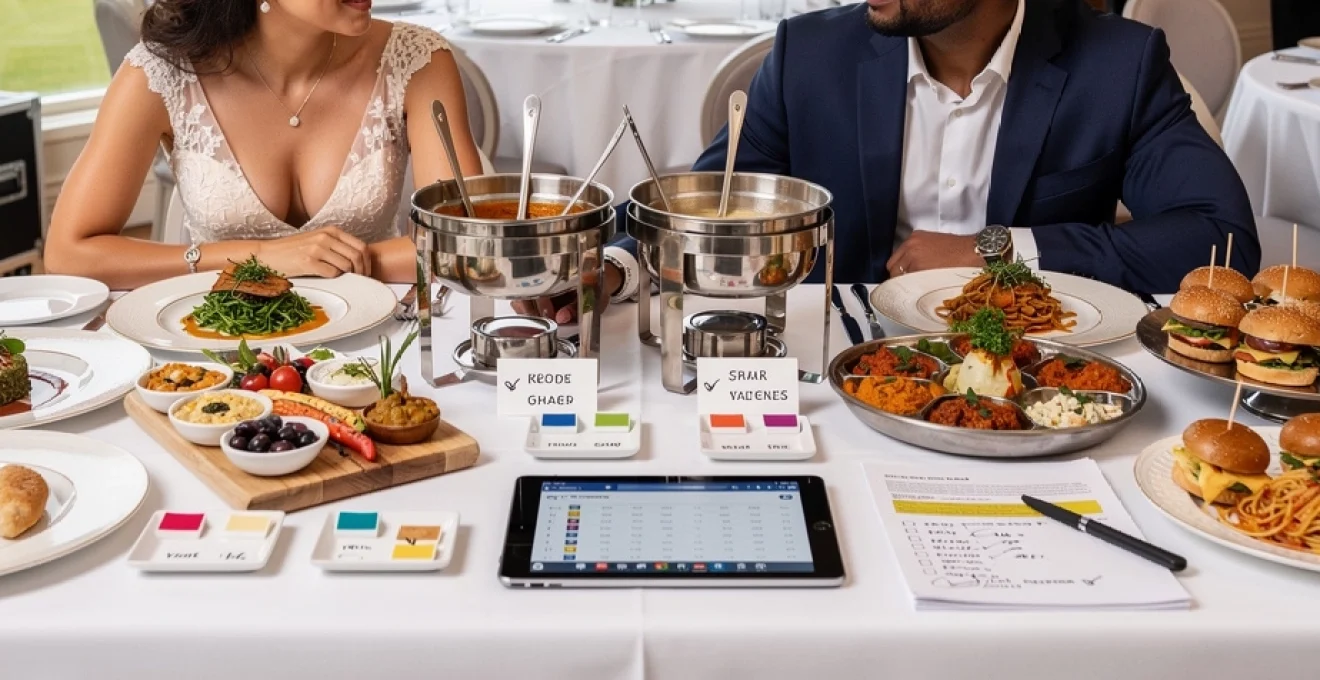
Selecting the perfect culinary services for your wedding reception represents one of the most significant decisions in your wedding planning journey. The food and service quality can transform your celebration from a simple gathering into an unforgettable experience that guests will reminisce about for years to come. With catering typically accounting for 30-40% of your total wedding budget, understanding the intricacies of professional wedding catering services becomes essential for making an informed choice that aligns with both your vision and financial parameters.
The modern wedding catering landscape offers an unprecedented variety of service options, from intimate fine dining experiences to vibrant food truck celebrations. Each approach brings distinct advantages and considerations that must be carefully weighed against your specific requirements. Whether you’re planning an elegant country house reception or a relaxed outdoor celebration, the culinary services you select will fundamentally shape the atmosphere and success of your special day.
Wedding catering service categories and specialisation assessment
Full-service wedding caterers vs. Drop-Off catering providers
Full-service wedding caterers operate as comprehensive event partners, managing every aspect of food preparation, presentation, and service throughout your reception. These providers typically include professional waitstaff, bartenders, equipment rental, table settings, and complete cleanup services within their packages. The investment in full-service catering generally ranges from £45-120 per guest, depending on menu complexity and service level requirements.
Drop-off catering providers focus exclusively on food preparation and delivery, leaving setup, service, and cleanup responsibilities to the couple or venue staff. This option appeals to budget-conscious couples, with costs typically ranging from £15-35 per guest. However, you must consider additional expenses for serving equipment, staff coordination, and potential venue restrictions when evaluating drop-off services.
Specialist dietary accommodation services: halal, kosher, and Plant-Based caterers
Religious and ethical dietary requirements demand specialised catering expertise that extends beyond simple ingredient substitutions. Halal caterers must demonstrate proper certification, sourcing protocols, and preparation methods that comply with Islamic dietary laws. Similarly, kosher catering requires rabbinical supervision and adherence to strict separation protocols between meat and dairy products.
Plant-based catering specialists have emerged as sophisticated culinary artists, creating elaborate vegan menus that rival traditional offerings in both presentation and flavour complexity. These providers understand the nuances of protein alternatives, seasonal vegetable preparations, and innovative cooking techniques that ensure dietary restrictions never compromise the dining experience quality.
Regional cuisine specialists: italian trattorias, indian banquet services, and mediterranean providers
Regional cuisine specialists bring authentic cultural experiences to wedding receptions, often incorporating traditional preparation methods, imported ingredients, and culturally significant presentation styles. Italian catering specialists might feature wood-fired pizza stations, fresh pasta preparation, and extensive wine pairings that transport guests to the heart of Tuscany.
Indian banquet services excel in creating elaborate multi-course experiences with complex spice profiles, tandoor preparations, and vegetarian options that celebrate diverse regional cooking traditions. Mediterranean providers focus on fresh ingredients, olive oil-based preparations, and sharing-style presentations that encourage social interaction among wedding guests.
Premium fine dining caterers vs. casual wedding food truck operations
Premium fine dining caterers deliver restaurant-quality experiences through meticulous attention to plating artistry, ingredient sourcing, and service protocols. These providers often employ classically trained chefs, maintain relationships with specialty suppliers, and offer wine pairing consultations that elevate the entire dining experience. Investment levels typically range from £80-200 per guest for premium services.
Food trucks have revolutionised casual wedding catering by bringing gourmet street food experiences directly to reception venues, creating interactive dining environments that encourage guest mingling and conversation.
Casual food truck operations provide unique entertainment value while serving high-quality, freshly prepared meals. Popular options include artisanal burger stations, wood-fired pizza trucks, and specialty dessert vehicles. Food truck catering typically costs £20-45 per guest while creating memorable photo opportunities and relaxed dining atmospheres.
Guest count calculations and menu pricing structure analysis
<h3
Per-head pricing models: plated service vs. buffet cost differentials
Per-head pricing models form the backbone of most wedding catering proposals and are crucial when you compare culinary services for your wedding reception. Plated service typically commands higher prices, often ranging from £55-130 per guest in the UK, due to increased staffing requirements, more complex plating, and tighter portion control. Buffets, by contrast, usually sit in the £35-80 per guest bracket, with savings driven by reduced service staff and simplified preparation, even when ingredient quality is comparable.
However, lower per-head prices for buffets can be offset by higher food volumes, as guests frequently return for second helpings. Plated menus allow caterers to calculate portions precisely, reducing waste and helping you keep your wedding food budget on track. When reviewing quotes, ask for a clear breakdown showing food costs, staffing, and equipment for both plated and buffet formats so you understand whether the difference is driven by labour, ingredients, or presentation standards.
If you are unsure which structure suits your event, consider running a hybrid approach, such as plated starters and desserts with a buffet main course or family-style sharing platters. This can combine the elegance of plated service with the generosity and variety of a buffet, while still offering some control over your overall spend. You should also factor in how each format will affect your wedding timeline: plated service keeps speeches and evening entertainment more predictable, while buffets can extend the meal duration.
Service staff ratios: waitstaff, bartenders, and kitchen personnel requirements
Choosing the best culinary services for your wedding reception is not only about the food; staffing ratios will directly influence service quality and guest experience. For seated, plated dinners, a typical guideline is one waitstaff member per 8-12 guests, whereas buffets can sometimes operate effectively with one server per 20-30 guests, plus additional staff on the buffet line. High-end fine dining caterers may recommend more generous ratios, especially if courses are numerous or plating is intricate.
Bar service requires separate consideration. For standard drinks service, one bartender per 60-80 guests is often sufficient, but if you plan a full cocktail bar with shaken drinks and bespoke signatures, you may need one bartender per 40-50 guests to avoid long queues. Kitchen staffing will also vary based on menu complexity, with scratch-cooked, multi-course menus requiring more chefs and porters than simple buffet offerings or food truck-style service.
When reviewing proposals, ask each wedding caterer to specify anticipated staffing numbers and roles, not just a lump-sum labour cost. This allows you to compare like-for-like and determine whether a lower quote is the result of reduced staff, which may compromise the pace and polish of service. Think of staffing as the engine behind your wedding catering: if it is underpowered, everything else struggles, no matter how good the menu looks on paper.
Seasonal menu pricing fluctuations and ingredient availability impact
Seasonal menu planning plays a major role in controlling wedding catering costs and ensuring superior flavour. Ingredients such as berries, asparagus, or game can fluctuate dramatically in price depending on time of year and local availability, which in turn affects per-head menu pricing. Opting for a wedding menu aligned with seasonal produce allows caterers to buy at peak freshness and value, often enabling them to offer more generous portions or premium elements within the same budget.
Global supply chain disruptions and climate-related events have also made certain imported ingredients more volatile in price, particularly seafood and speciality fruits. When you discuss menus with your chosen caterer, ask which dishes are most exposed to price changes and whether they can suggest seasonal swaps if costs rise before your date. This contingency planning is like having a weatherproof tent for your menu: you stay protected even if conditions change unexpectedly.
Many modern wedding caterers now highlight “seasonal chef’s selections” or “market-inspired menus” that give them flexibility to source the best available ingredients at the time of your wedding. If you are comfortable with a degree of chef’s choice, this can be a powerful way to maximise value without compromising the quality of your culinary services. Make sure any seasonal adjustments are clearly documented in your proposal so you understand how substitutions will be handled if needed.
Additional service charges: corkage fees, cake cutting, and equipment hire costs
Beyond headline per-head figures, many couples underestimate the impact of additional service charges on their overall wedding catering budget. Common extras include corkage fees for bringing your own wine or champagne, which may range from £8-25 per bottle depending on the venue and service level. While supplying your own alcohol can still be cost-effective, you should calculate corkage carefully to avoid surprise expenses on the final invoice.
Cake cutting and serving can also attract additional charges, particularly at larger weddings where extra staff and crockery are required. Fees may be charged per slice or as a flat rate, so clarify the pricing model in advance. Equipment hire is another key area: glassware, cutlery, speciality china, bar infrastructure, outdoor kitchen tents, and even portable refrigeration units may all appear as separate line items in your catering proposal.
To maintain control over your catering spend, request a fully itemised quote that lists every potential add-on, from linen hire to late-night snack stations. You can then decide which elements are essential and where you can simplify without compromising guest comfort. Think of this as reading the small print on a financial agreement: a little attention now can save you substantial costs and stress later.
Wedding venue compatibility and logistical requirements
Kitchen facility assessments for country houses, marquees, and historic venues
Venue compatibility is a crucial factor when selecting culinary services for your wedding reception, especially if you are drawn to character properties or outdoor celebrations. Country houses may offer well-equipped commercial kitchens, but some heritage sites provide only domestic facilities that are insufficient for large-scale catering. In these cases, your caterer may need to bring in additional ovens, hot holding units, or temporary prep spaces, which affects both logistics and cost.
Marquee weddings and barn venues often require complete “field kitchens” to be built from scratch, including cooking equipment, sinks, waste management, and safe food storage areas. This level of infrastructure is entirely manageable for experienced wedding caterers, but you must allow for extra space behind the marquee and allocate budget for kitchen tent hire if it is not included in the venue package. Historic venues may impose specific restrictions on open flames, ventilation, or deliveries, further shaping what is feasible on your wedding day.
Before signing a catering contract, arrange for your caterer to conduct a site visit or review detailed floor plans and kitchen specifications from the venue. This assessment helps identify any logistical challenges early, from narrow service corridors to limited lift access or long distances between kitchen and dining space. The more your caterer understands about the venue, the more accurately they can design a menu and service plan that will run smoothly on the day.
Power supply and refrigeration infrastructure for outdoor wedding locations
Power and refrigeration are the unsung heroes of safe, successful wedding catering, especially for outdoor locations such as gardens, farms, and marquee sites. Professional caterers will calculate the electrical load required for ovens, hot cupboards, lighting, refrigeration, and bar equipment, then confirm whether the venue’s existing power supply can cope. If not, you may need to hire generators, which should be sized and installed by specialists to ensure reliability and compliance with safety standards.
Refrigeration is equally essential, particularly in warmer months when perishable items must be kept within strict temperature ranges to meet food safety regulations. Mobile fridges, freezers, and refrigerated trailers are common solutions for outdoor weddings, allowing caterers to store ingredients, desserts, and drinks at the correct temperature from delivery through to service. Without this infrastructure, even the most talented chef cannot guarantee quality or safety.
When you discuss logistics with potential caterers, ask specific questions about their power and refrigeration strategy for your chosen venue. Do they provide equipment themselves, or do they expect you or the venue to arrange it? Who is responsible for fuel, cabling, and overnight security if generators or refrigeration units remain on-site? Clear answers at this stage prevent last-minute complications and help ensure a seamless culinary experience for your guests.
Exclusive catering partnerships at prestigious venues: the savoy, claridge’s, and chatsworth house
Prestigious venues such as The Savoy, Claridge’s, or Chatsworth House often operate on an exclusive catering model, meaning you must work with their in-house culinary team or a tightly curated list of approved suppliers. While this limits your choice of caterer, it also offers significant advantages: these teams know the venue’s kitchens, service routes, and timing constraints intimately, leading to highly polished execution on the day. They also tend to be well-versed in premium fine dining, tasting menus, and sophisticated wine pairings.
Exclusive partnerships usually come with minimum spends or set wedding packages that include room hire, menu options, beverages, and service staff. This can simplify budgeting and planning, but it may also reduce your flexibility to negotiate per-head prices or bring in external specialties such as a favourite regional cuisine provider. If you have your heart set on a particular culinary concept, you should raise this early with the venue to see whether collaborations or limited external suppliers are allowed.
When comparing prestigious venues, evaluate not just the room hire and décor possibilities, but also the quality and reputation of their catering teams. Request sample menus, references from recent couples, and information on how they handle dietary requirements or bespoke requests. In many high-end venues, choosing the location is effectively the same as choosing your wedding caterer, so it is worth scrutinising both aspects with equal care.
Delivery timeline coordination for remote scottish highlands and lake district venues
Remote wedding locations such as the Scottish Highlands or the Lake District can offer breathtaking landscapes, but they also introduce logistical challenges for culinary services. Longer travel times, narrow access roads, and unpredictable weather all affect how and when ingredients, equipment, and staff arrive on-site. To protect food quality, caterers may need to stage deliveries over several days, using local cold storage or arranging early setup for non-perishable items.
These logistical complexities often require detailed delivery timelines that factor in ferry schedules, one-way bridge systems, or strict noise curfews in rural communities. It is wise to ask your caterer how many remote weddings they have delivered previously and what contingency plans they put in place for delayed transport or extreme weather. In some cases, partnering with regional suppliers for bread, produce, or meat can reduce risk and support local businesses at the same time.
For very isolated properties or self-catering estates, you may also need to coordinate accommodation for key catering staff so that bad weather does not prevent them from reaching the venue on the morning of your wedding. Treat logistics planning as seriously as menu design: without a solid delivery strategy, even the most carefully curated wedding food ideas can be compromised before service begins.
Food safety compliance and professional certification verification
Food safety is a non-negotiable aspect of choosing the best culinary services for your wedding reception. In the UK, reputable wedding caterers should hold a current food hygiene rating (ideally 4 or 5) from their local authority, along with documented HACCP (Hazard Analysis and Critical Control Point) procedures. These frameworks ensure that everything from ingredient sourcing and transportation to cooking temperatures and cooling practices meets stringent safety standards.
When reviewing potential caterers, ask to see evidence of public liability insurance, employer’s liability cover, and any relevant professional memberships or industry awards. Staff should be trained in food hygiene at appropriate levels, particularly those handling high-risk foods such as shellfish, dairy desserts, or undercooked meats. If your menu includes raw or lightly cooked items like sushi or beef carpaccio, confirm how the caterer manages associated risks and whether they are comfortable serving these at large events.
For venues with their own catering operations, the venue manager should be able to provide copies of licences and inspection reports on request. You can also cross-check food hygiene ratings via public databases maintained by local councils. Taking a few minutes to verify these credentials offers significant peace of mind; it is the culinary equivalent of checking a pilot’s licence before boarding a plane.
Tasting session protocols and menu customisation process
Tasting sessions are your best opportunity to experience a caterer’s style first-hand and refine the culinary direction of your wedding reception. Most professional caterers offer private tastings several months before the wedding, allowing you and your partner to sample proposed dishes, assess portion sizes, and discuss presentation. Some may charge a fee for tastings, particularly when menus are highly bespoke, but this cost is often deducted from your final invoice if you proceed.
During the tasting, approach each dish critically but constructively. Consider seasoning, texture, temperature, and how the dish will feel when served to a large group rather than in an intimate setting. Ask how plates will be styled on the day and whether any elements might change due to seasonal availability. Many couples find it helpful to bring a notebook or use their phone to jot down comments, so they remember details when finalising the menu later.
The customisation process usually unfolds from this point, with caterers adjusting dishes to suit your preferences—perhaps swapping a sauce, changing a side, or integrating an ingredient that has personal significance to you. If you have particular cultural or family recipes you would like represented, ask whether the chef can adapt or be inspired by them. A good wedding caterer will aim to balance your personal wishes with what is operationally realistic for your guest count and venue.
Contract terms evaluation and service level agreement specifications
Once you have chosen your provider, the catering contract becomes the formal blueprint for your wedding reception dining experience. Key elements should include detailed menu descriptions, confirmed guest numbers or estimation procedures, service style (plated, buffet, sharing, or hybrid), and timing for each part of the meal. Clear payment schedules, including deposit amounts, interim instalments, and final balance deadlines, protect both you and the caterer.
Pay particular attention to clauses related to minimum spends, cancellation terms, and guest count adjustments. Many caterers require final numbers 10-21 days before the wedding; after this point, reductions are often not refundable because ingredients and staffing have been committed. It is also sensible to review force majeure provisions, which outline what happens if events such as severe weather or public health restrictions affect your wedding plans.
A robust service level agreement (SLA) should spell out staffing levels, setup and breakdown responsibilities, rental items included, and any additional fees for overtime or extended bar service. If you are working with multiple suppliers—such as a separate cake designer or evening street food vendor—confirm how responsibilities for cutting, serving, or power access are shared and documented. Taking the time to scrutinise and, if necessary, negotiate your catering contract ensures that expectations are aligned on all sides, allowing you to relax and enjoy the food on your wedding day.