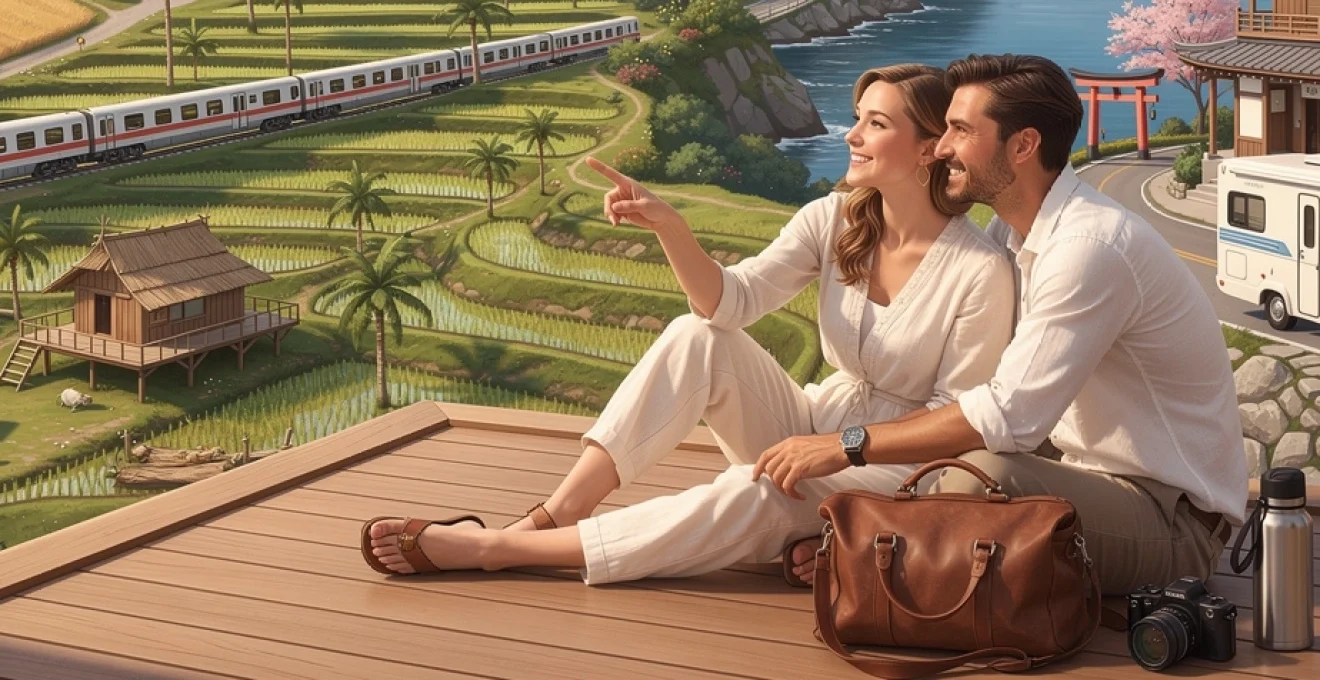
The concept of slow travel has transformed how couples approach their most significant journey together—the honeymoon. Rather than rushing through multiple destinations to tick off bucket list items, modern newlyweds are discovering the profound emotional benefits of immersive, unhurried experiences. This mindful approach to travel emphasises quality over quantity, allowing couples to forge deeper connections with each other whilst truly understanding the essence of their chosen destination. The pandemic has reinforced this shift towards more meaningful travel experiences, as couples seek once-in-a-lifetime journeys that create lasting memories through authentic cultural engagement and sustainable tourism practices.
Defining slow travel philosophy for honeymoon planning
Slow travel represents a fundamental departure from conventional honeymoon planning, prioritising emotional impact and sustainable practices over traditional tourist activities. This philosophy centres on the belief that travel should foster genuine connections between couples, local communities, and the environment. The approach emphasises spending extended periods in fewer locations, allowing newlyweds to develop a nuanced understanding of local culture, customs, and daily life rhythms.
Mindful journey design versus traditional package tours
Traditional honeymoon packages often compress multiple experiences into shortened timeframes, leaving couples exhausted rather than rejuvenated. Mindful journey design takes the opposite approach, creating space for spontaneous discoveries and deeper exploration. Quality becomes the guiding principle, with carefully curated experiences that allow for personal reflection and intimate moments between partners. This methodology involves researching local artisans, family-run establishments, and community-based tourism initiatives that provide authentic cultural exchanges.
The design process begins with understanding the couple’s shared interests and values, then crafting experiences that align with their relationship goals. Rather than following predetermined itineraries, mindful journey design incorporates flexibility for serendipitous encounters and unexpected discoveries that often become the most cherished memories.
Extended stay benefits in single destinations
Choosing to spend extended periods in single destinations offers numerous advantages for honeymooning couples. Extended stays eliminate the stress of constant packing and unpacking, allowing couples to settle into a rhythm that mirrors local life patterns. This approach enables deeper relationships with accommodation hosts, restaurant owners, and local guides who become genuine connections rather than transactional encounters.
Research indicates that travellers who spend at least seven days in a single location report significantly higher satisfaction levels and stronger emotional connections to their destination. Extended stays also provide opportunities to witness destinations throughout different times of day and week, experiencing the subtle changes in atmosphere that shorter visits often miss.
Cultural immersion through local community integration
True cultural immersion extends beyond visiting famous landmarks to participating in daily community life. This involves shopping at local markets, attending community events, learning traditional crafts, and engaging in meaningful conversations with residents. Community integration transforms tourists into temporary residents, creating mutual understanding and respect between visitors and locals.
Successful community integration requires approaching interactions with genuine curiosity and respect for local customs. Couples often find that learning basic phrases in the local language opens doors to experiences unavailable to typical tourists, from private family dinners to participation in local celebrations and ceremonies.
Sustainable tourism practices for newlyweds
Sustainable tourism practices ensure that honeymoon travel contributes positively to destination communities and environments. This approach involves choosing accommodations that employ local staff, source ingredients locally, and implement environmental conservation measures. Sustainable practices often enhance rather than compromise luxury experiences, as they typically involve more personalised service and unique amenities.
Newlyweds can support sustainability by travelling during off-peak seasons, which reduces overcrowding whilst often providing better value and more intimate experiences. Choosing newer, emerging destinations helps distribute tourism benefits more evenly whilst offering couples the excitement of discovering relatively unknown gems.
Strategic destination selection for extended honeymoon stays
Selecting destinations suitable for extended stays requires careful consideration of climate, infrastructure, cultural richness, and accommodation options. The ideal slow travel destination offers diverse experiences within a concentrated geographic area, reliable transportation networks, and welcoming local communities. Destinations that support slow travel typically feature well-developed local food scenes, artisan communities, and natural environments conducive to relaxation and exploration.
Tuscany villa rentals and agriturismo experiences
Tuscany epitomises the slow travel honeymoon, with its rolling hills, medieval hilltop towns and vineyard-dotted landscapes. Choosing a villa rental or agriturismo stay allows you to settle into one scenic base for ten days or more, rather than hopping between cities. Many Tuscan farmhouses and country estates offer self-contained apartments and private suites, providing both privacy and the feeling of living as a temporary local. For couples, waking up to the sound of church bells and distant tractors instead of traffic sets the tone for an unhurried, romantic escape.
Agriturismo properties often include access to on-site vineyards, olive groves or kitchen gardens, so your honeymoon meals are built around hyper-local produce. You might spend one day learning to make fresh pasta with a nonna, and the next cycling through cypress-lined lanes to a neighbouring village for an evening aperitivo. Because you are staying longer, you can spread experiences out rather than cramming them into a few rushed days. This approach to Tuscany honeymoon travel also supports small-scale farmers and family businesses, reinforcing the sustainable ethos of slow travel.
Bali ubud rice terraces and traditional village homestays
For couples drawn to spiritual retreats and lush tropical scenery, Ubud in central Bali is a natural fit for a slow travel honeymoon. Instead of moving between beach resorts every few nights, many newlyweds now choose a single villa or homestay overlooking the rice terraces for two or even three weeks. From this peaceful base you can alternate days of yoga, spa rituals and reading by your private pool with low-key explorations of surrounding temples and craft villages. The rhythm of the rice farmers becomes the quiet backdrop to your first month of married life.
Village homestays and intimate guesthouses in Ubud often include daily interactions with your Balinese hosts, from joining them at morning offerings to helping prepare ceremonial dishes. This level of cultural immersion would be impossible on a whirlwind itinerary focused only on famous temples and Instagram viewpoints. By moving more slowly, you also reduce the environmental impact of constant transfers whilst gaining a deeper understanding of Balinese Hindu traditions. For many couples, Ubud becomes less a stop on a Southeast Asia tour and more a temporary home that shapes their shared outlook on wellness and mindfulness.
Santorini off-season exploration and local winery tours
Santorini may be synonymous with sunset selfies and crowded summer streets, but it offers an entirely different character in the shoulder and off seasons. Planning a slow travel honeymoon here between October and April allows you to stay longer, enjoy quieter lanes, and experience the island through the eyes of its residents. With fewer cruise ships and day-trippers, you can wander Oia’s alleys at your own pace, linger in small tavernas, and actually hear the waves below the caldera cliffs. Off-season stays also tend to be better value, freeing up budget for more meaningful experiences.
Local winery tours are a natural fit for an unhurried Santorini honeymoon. The island’s indigenous Assyrtiko vines, trained in distinctive basket shapes, tell a story of resilience that parallels the commitment of marriage. Rather than rushing through a single tasting, couples can dedicate several afternoons to visiting different family-run estates, pairing volcanic wines with traditional dishes and sea views. This deeper engagement with the island’s viticultural heritage supports long-term sustainability and moves your honeymoon beyond the typical sunset cruise into something far more authentic and memorable.
Kyoto temple district cultural immersion programs
Kyoto offers a rich tapestry of temples, tea houses and historic districts that reward slow, thoughtful exploration. For a honeymoon focused on cultural immersion, basing yourselves in or near the temple districts of Higashiyama or Arashiyama for ten days or longer can be transformative. Instead of racing to “do” all the shrines in a single weekend, you can return to your favourites at different times of day, noticing seasonal changes in the gardens and the shifting light on the pagodas. Walking the same narrow lanes repeatedly turns them from tourist attractions into familiar neighbourhoods.
Many traditional inns and cultural centres in Kyoto now offer structured immersion programmes ideal for newlyweds embracing the slow travel philosophy. You might study tea ceremony with a local master, learn simple Zen meditation techniques in a temple, or take calligraphy lessons together. Participating in these practices is rather like learning a new language as a couple: the process requires patience, presence and shared curiosity. By the end of an extended stay, Kyoto ceases to be a backdrop for photos and becomes a meaningful part of your relationship story.
Accommodation strategies for long-term romantic travel
Choosing the right accommodation style is crucial when planning an extended honeymoon rooted in slow travel. Because you are staying longer in each place, comfort, privacy and a sense of home become just as important as location. Many couples now prioritise apartments, villas or long-stay suites with kitchen facilities, allowing them to cook together with local ingredients and create small domestic rituals. This can be far more romantic than dining out every night, and it also helps balance the honeymoon budget over several weeks.
Another effective strategy is mixing accommodation types within a single destination to create varied yet coherent experiences. You might begin with a few nights in a luxury boutique hotel to decompress after the wedding, then transition to a charming guesthouse or serviced apartment for the bulk of your stay. Towards the end, a splurge on a design-led resort or secluded lodge can provide a memorable finale. This tiered approach mirrors the pacing of a well-crafted story, with moments of high indulgence framed by stretches of everyday comfort and exploration.
When evaluating options for long-stay honeymoon travel, it also pays to look beyond aesthetics and consider practicalities that support slow living. Reliable Wi-Fi, laundry facilities, good natural light and access to green space or walking areas can make the difference between feeling “stuck in a hotel” and truly settling into a destination. Many properties now offer discounted weekly or monthly rates for extended stays, so asking about long-stay packages can unlock excellent value. Ultimately, the most successful slow travel honeymoons treat accommodation not just as somewhere to sleep, but as an integral part of the experience and a sanctuary for connection.
Transportation methods supporting unhurried exploration
The way you move between and within destinations can either reinforce or undermine your slow travel honeymoon goals. Constant flights, tight connections and packed sightseeing schedules tend to create stress, which is the opposite of what most couples want after a wedding. Prioritising ground transport, scenic routes and fewer overall transfers shifts the focus from “getting there fast” to enjoying the journey itself. Think of transportation not merely as logistics, but as an opportunity for shared discovery and quiet conversation.
Many slow travel couples now plan itineraries around one or two key modes of transport that naturally encourage a gentler pace. Trains, motorhomes and river cruises each offer their own version of unhurried movement, where the landscape becomes part of the honeymoon narrative. By choosing these options, you often reduce your carbon footprint compared with multiple short flights, aligning your romantic escape with more responsible tourism practices. The result is a honeymoon where the spaces between destinations are just as memorable as the places themselves.
European rail pass romantic routes through alps and countryside
For those dreaming of a European honeymoon, rail travel remains one of the most evocative and sustainable ways to move slowly across the continent. With a flexible rail pass, you can design a route that prioritises scenic journeys through the Alps, vineyards and rural countryside rather than short hops between major cities. Long daytime train rides become opportunities to share a bottle of local wine, read together or simply watch villages glide past your window. Unlike airports, train stations tend to be centrally located, which reduces transfer times and keeps you rooted in the heart of each destination.
Iconic routes such as the journey from Zurich to Milan via the Gotthard Panorama Express or the passage between Vienna and Venice offer a cinematic backdrop to your honeymoon. Because trains have generous luggage allowances and no liquid restrictions, you can comfortably travel with wedding outfits or special items for vow renewals and celebrations. Booking first- or second-class seats with seat reservations can secure extra comfort without dramatically increasing your environmental impact. In many ways, choosing rail for your European slow travel honeymoon recaptures the golden age of travel, when the voyage itself was a central part of the romance.
Motorhome rental options across new zealand south island
New Zealand’s South Island is almost tailor-made for a motorhome-based honeymoon, with its empty highways, dramatic fjords and scattered small towns. Renting a campervan or motorhome allows you to create a mobile home that moves at your own pace, stopping whenever a lake, vineyard or mountain view catches your eye. Instead of being tied to hotel check-in times, you can watch the stars from a remote campsite one night and wake beside a beach the next morning. This flexibility encourages spontaneity, one of the key joys of slow travel.
For couples, living in a compact space for several weeks can also be a powerful bonding experience. You learn to share tasks, make joint decisions and adapt plans based on weather or mood—skills that mirror those needed in married life. New Zealand’s well-developed network of holiday parks, freedom camping areas and scenic byways makes this style of travel both feasible and safe for first-time motorhome users. By staying longer in each region rather than rushing around the entire country, you also reduce driving distances, fuel use and overall environmental impact.
River cruise extended itineraries along danube and rhine
River cruises along the Danube and Rhine offer a different, more languid form of slow travel ideal for honeymooners who value comfort and convenience. Unlike ocean cruises, river vessels glide gently through the heart of historic cities and villages, docking right in the centre so you can step off and explore on foot. Extended itineraries of ten to fourteen days allow you to settle into shipboard routines, getting to know the crew and fellow passengers while the landscape changes outside your cabin window. Each day brings a new view without requiring you to pack and unpack.
Many river cruise lines now incorporate immersive shore excursions that align with slow travel values, such as small-group culinary tours, cycling along riverside paths or visits to family-owned vineyards. Because you are moving at the unhurried pace of the river, there is time to appreciate the nuances of each region’s architecture, cuisine and history. For couples who want a honeymoon that feels both indulgent and relaxed, a river cruise along Europe’s great waterways can be an elegant solution. The ship becomes your floating boutique hotel, and the journey itself your shared, unfolding story.
Budget allocation techniques for extended honeymoon periods
One common misconception about slow travel honeymoons is that longer trips must always be more expensive. In reality, thoughtful budget allocation can make extended stays surprisingly attainable, especially when compared to short, ultra-luxury escapes. The key is shifting investment from constant transport and high-end hotels toward experiences and comfortable, mid-range long-stay options. By spending more nights in fewer places, you often save on flights and transfers, freeing funds for meaningful activities like cooking classes, private guides or wellness treatments.
A helpful strategy is to divide your honeymoon budget into three categories: essentials, experiences and “elevated moments.” Essentials cover accommodation, basic transport and daily meals; experiences include activities that deepen your connection to the destination; elevated moments are the special splurges, such as a hot-air balloon ride or a Michelin-starred dinner. Allocating approximate percentages to each—say, 55% to essentials, 30% to experiences and 15% to elevated moments—gives you a framework for decision-making. This way, you can say yes to what truly matters while avoiding impulse spending that does little to enhance your slow travel goals.
Staying longer also opens up opportunities for cost-saving behaviours that are simply not practical on quick breaks. Shopping at local markets, preparing some meals at home and using public transport instead of taxis can reduce daily expenses without feeling like deprivation. Off-season or shoulder-season travel can further stretch your budget, with many destinations offering lower accommodation rates and fewer surcharges outside peak months. When you view time as your main luxury, rather than five-star amenities every night, you can craft an extended honeymoon that feels both rich in experience and respectful of your financial future together.
Technology integration for seamless slow travel documentation
Technology, when used thoughtfully, can support rather than disrupt the essence of a slow travel honeymoon. Instead of constantly checking in on social media, many couples now adopt a “document now, share later” approach: capturing photos, videos and notes in the moment, then curating and posting after they return home. This allows you to stay present with each other and the destination while still preserving a detailed record of your journey. Offline-capable map and translation apps also reduce stress, making it easier to wander side streets and interact with locals without worrying about getting lost.
For documenting your honeymoon in a way that deepens, rather than distracts from, the experience, consider digital journaling tools or shared photo albums. Creating a joint travel journal—whether in a simple notes app or a dedicated diary platform—lets you each record impressions from your day before comparing perspectives over dinner. Over time, these reflections become a rich archive of your early married life, more akin to a handwritten love letter than a fleeting social post. Backing up your images and notes to cloud storage at regular intervals adds peace of mind, ensuring your memories are safe even if a device goes missing.
It is also worth setting some gentle boundaries around technology use during your slow travel honeymoon. Agreeing on “screen-light” times—perhaps mornings for checking practical details and evenings for quick updates to family—can prevent devices from encroaching on shared moments. At the same time, embracing certain tools, such as language-learning apps, local event platforms or sustainable tourism guides, can enhance cultural immersion and help you discover under-the-radar experiences. When balanced well, technology becomes an invisible assistant in the background, quietly supporting the art of travelling slowly together rather than stealing the spotlight.