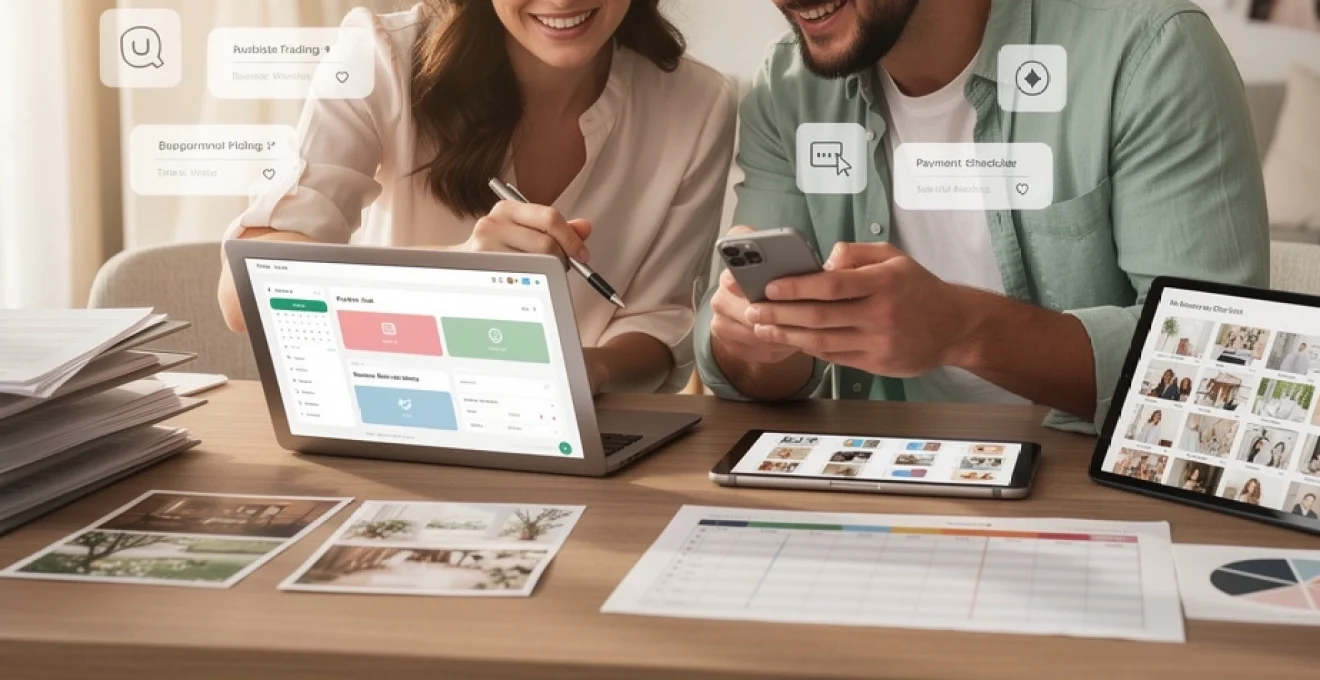
Wedding planning can feel overwhelming when you’re juggling career commitments, social obligations, and the desire to create the perfect celebration. Modern couples increasingly find themselves pressed for time, with statistics showing that 68% of engaged couples report feeling stressed about managing their wedding planning timeline alongside their busy lifestyles. The traditional approach of spending countless hours researching vendors, managing spreadsheets, and coordinating multiple moving parts no longer fits the reality of contemporary life.
The key to successful wedding planning lies not in working harder, but in working smarter. By leveraging digital tools, streamlined processes, and strategic delegation, couples can significantly reduce the time investment required whilst still achieving their dream wedding. Efficiency doesn’t mean compromising on quality – rather, it means focusing your energy on the decisions that truly matter whilst automating or delegating the rest.
Digital wedding planning platforms and All-in-One management systems
The wedding planning landscape has been revolutionised by comprehensive digital platforms that consolidate multiple planning functions into single, user-friendly interfaces. These systems eliminate the need to juggle numerous spreadsheets, bookmarks, and paper notes whilst providing real-time collaboration features for couples planning together. Modern wedding planning platforms typically integrate guest management, budget tracking, vendor coordination, and timeline management into cohesive ecosystems that save couples an average of 15-20 hours throughout their planning journey.
The most effective digital wedding planning systems offer cloud-based synchronisation, ensuring that both partners can access and update information from any device. This accessibility proves particularly valuable for couples with demanding schedules, allowing them to make progress during commutes, lunch breaks, or whilst travelling. Real-time updates prevent miscommunication and ensure that both partners remain aligned on decisions and progress, reducing the time typically spent on status meetings and catch-up conversations.
Zola wedding website builder and guest management dashboard
Zola’s integrated platform combines wedding website creation with sophisticated guest management capabilities, enabling couples to establish their digital presence whilst simultaneously collecting guest information and preferences. The platform’s automated RSVP tracking reduces follow-up communications by an estimated 40%, as guests can easily access event details and respond directly through the website. Advanced features include meal preference collection, plus-one management, and automatic reminder systems that handle much of the administrative burden traditionally managed manually.
The guest management dashboard provides visual analytics that help couples understand response patterns and plan accordingly. Automated email sequences can be configured to send save-the-dates, invitations, and reminders at predetermined intervals, eliminating the need for manual tracking and follow-up. Integration with popular registry platforms further streamlines the gift management process, providing guests with seamless access to wish lists whilst giving couples real-time visibility into purchased items.
The knot wedding checklist integration with vendor coordination tools
The Knot’s comprehensive checklist system adapts to individual wedding timelines, automatically adjusting task priorities and deadlines based on the chosen wedding date and complexity. This dynamic approach eliminates the guesswork involved in determining when to book specific vendors or complete particular tasks. The platform’s vendor coordination tools enable direct communication with service providers through centralised messaging systems, reducing email clutter and ensuring that all correspondence remains organised and accessible.
Advanced filtering options allow couples to customise their checklists based on wedding style, budget constraints, and personal priorities. The system’s integration with local vendor databases provides contextually relevant recommendations, saving hours typically spent researching and vetting potential service providers. Automated progress tracking helps couples maintain momentum whilst identifying potential bottlenecks before they impact critical timeline milestones.
Weddingwire budget tracker and payment schedule automation
WeddingWire’s sophisticated budget management system goes beyond simple expense tracking by providing predictive analytics and automated payment scheduling. The platform’s intelligent algorithms analyse spending patterns and provide recommendations for budget reallocation based on actual versus projected costs. This proactive approach helps couples avoid budget overruns whilst ensuring that funds remain available for unexpected opportunities or last-minute additions.
The payment schedule automation feature coordinates with vendor contracts to establish payment reminders and deadlines, eliminating the risk of missed payments or late fees. Automated vendor communication regarding payment schedules reduces administrative overhead whilst maintaining professional relationships. Integration with popular banking and payment platforms enables seamless transaction processing and
record-keeping, giving you a single source of truth for every invoice and receipt. By centralising budget and payment information, WeddingWire removes the need for separate spreadsheets and calendar reminders, cutting down on manual data entry and significantly reducing the likelihood of costly oversights.
Joy wedding app RSVP management and seating chart generator
Joy’s mobile-first design caters to busy couples who prefer to manage their wedding planning on the go. The app’s RSVP management system syncs seamlessly with your digital invitations, allowing guests to respond with just a few taps on their smartphones. You can collect meal choices, song requests, and accessibility needs in the same workflow, which dramatically cuts down on back-and-forth messaging and last‑minute surprises.
One of Joy’s most time-saving features is its visual seating chart generator. Rather than sketching layouts by hand or wrestling with clunky spreadsheets, you can drag and drop guests into tables whilst automatically flagging conflicts, such as ex-partners you may wish to seat apart. The system can also suggest seating arrangements based on guest relationships, making it easier to balance family dynamics and friendship groups. When venue changes occur, you can update the digital floor plan in minutes instead of starting from scratch.
Streamlined vendor selection through pre-vetted networks and referral systems
Vendor research is one of the most time-consuming aspects of wedding planning, often involving hours of website visits, social media scrolling, and review comparison. Streamlining this process through pre-vetted networks and referral systems allows you to narrow your options quickly whilst maintaining quality and reliability. Instead of starting from a pool of thousands of suppliers, you begin with a curated shortlist that already meets specific professional standards.
Using structured vendor selection methods is akin to applying a recruitment process to your wedding team: you define the role, pre-screen candidates, and then conduct efficient interviews rather than meeting every possible applicant. This approach is especially valuable for couples planning a wedding in a different city or country, where on-the-ground knowledge may be limited. By leaning on existing networks and quality filters, you reduce the risk of costly mistakes and last-minute vendor replacements.
Wedding industry association certified supplier databases
Professional associations and wedding industry bodies often maintain certified supplier databases that list vendors who adhere to defined codes of conduct and quality standards. These directories save time by ensuring that every supplier you consider has already passed a basic vetting stage regarding insurance, professionalism, and business legitimacy. Rather than checking each provider individually for compliance, you start with a pool that has already been filtered for you.
When browsing these certified databases, you can typically apply advanced filters such as location, price range, capacity, and speciality (for example, eco-friendly caterers or cultural-specific celebrants). This allows you to match your wedding requirements with the right vendors more quickly, instead of wading through irrelevant results. You also benefit from peer accountability; suppliers in these networks are motivated to maintain high standards to protect their accreditation and reputation within the association.
Multi-vendor package deals and preferred partner programmes
Many venues and planners offer multi-vendor package deals or preferred partner programmes that bundle several services under one umbrella. By booking through these packages, you cut down dramatically on the number of separate negotiations, contracts, and payment schedules you need to manage. Imagine handling one coordinated agreement instead of five or six; the administrative time savings quickly add up, especially for couples planning on tight schedules.
Preferred partner programmes also benefit from established working relationships between vendors. Your photographer, florist, DJ, and caterer may have collaborated many times at the same venue, which reduces coordination issues and on-the-day miscommunications. This built-in familiarity often translates to smoother timelines and fewer planning meetings because the team already understands each other’s processes. While packages can appear more expensive at first glance, the hidden value in saved time, reduced stress, and fewer logistical errors is significant.
Online portfolio reviews using borrowed & blue vendor matching
Online portfolio platforms, such as the vendor matching tools inspired by the original Borrowed & Blue model, centralise visual examples of suppliers’ work in one place. Rather than navigating to individual websites or social media profiles, you can review multiple portfolios side by side, filtering by venue type, style, or region. This is particularly useful if you are seeking a specific aesthetic and want to see how vendors perform in real wedding environments rather than staged shoots.
These matching systems typically allow you to submit details about your budget, date, and style preferences, then generate a shortlist of suitable vendors. Think of it as a matchmaking service for your wedding team: instead of cold-calling dozens of suppliers, you focus only on those who are already available, within budget, and aligned with your vision. This targeted approach can halve the time you spend on discovery calls and email exchanges, enabling you to move quickly to the decision stage.
Contract template libraries and standardised agreement processes
Contracts are essential for protecting both you and your vendors, but drafting and reviewing them from scratch can be time-consuming. Standardised agreement processes and contract template libraries help streamline this step, especially when you’re dealing with multiple suppliers. Many planning platforms and professional associations provide downloadable templates that cover key clauses such as cancellation policies, force majeure, payment terms, and deliverables.
Using a consistent contract structure across vendors makes it easier to compare terms and identify discrepancies that might cause issues later. You can quickly scan for red flags instead of deciphering entirely different document formats each time. Some digital platforms even offer e-signature integration and automated reminders for contract deadlines, which removes the need for printing, scanning, or chasing signatures manually. The result is a more efficient, standardised workflow that reduces legal ambiguity and saves countless hours of administration.
Automated guest communication workflows and RSVP management
Managing guest communication manually can feel like running a small customer service department: answering repetitive questions, tracking RSVPs, and sending reminders. Automating these workflows allows you to maintain a personal touch whilst significantly reducing repetitive tasks. By centralising communication through digital invitations, wedding websites, and email sequences, you ensure that every guest receives accurate, up-to-date information without constant intervention from you.
One effective strategy is to create a simple communication timeline that outlines when guests receive each touchpoint: save-the-dates, formal invitations, RSVP reminders, and logistical updates. Many wedding planning apps let you pre-schedule these messages, so they’re sent automatically at the right moment. You can also create FAQ sections on your wedding website addressing dress code, parking, accommodation, and gift preferences, which dramatically cuts down on individual queries. Think of it as building a self-service portal for your guests, freeing you to focus on higher-level planning decisions.
Budget allocation frameworks and expense tracking methodologies
Without a clear budget allocation framework, it’s easy for wedding expenses to spiral out of control, especially when you’re making decisions in small increments. Implementing a structured methodology at the outset helps you determine how much to spend on each category and prevents emotional overspending. Many planners recommend starting with percentage-based allocations—such as 40% on venue and catering, 10% on photography, 10% on décor—and then adjusting based on your priorities and local pricing.
Digital budget trackers, whether within wedding platforms or standalone apps, enable real-time monitoring of your spending. By logging every quote, deposit, and final payment as you go, you create a living document that reflects your actual financial position. Some systems also allow you to tag expenses by category and compare planned versus actual costs, highlighting areas where you may need to reallocate funds. Treat this like a financial dashboard for your wedding: a quick glance should tell you where you stand, what is due next, and where you might need to tighten or loosen the budget.
Timeline consolidation strategies and milestone-based planning systems
Wedding planning often feels overwhelming because tasks are scattered across months with no clear hierarchy. Timeline consolidation strategies address this by grouping tasks into key milestones rather than focusing on dozens of individual to-dos. For example, you might define milestones such as “secure venue and top-tier vendors,” “finalise guest list and invitations,” and “confirm logistics and rehearsal schedule,” then assign related tasks under each phase. This makes the process feel more manageable and helps you see progress in meaningful chunks.
Milestone-based planning systems also make it easier to adapt when life throws curveballs—unexpected work commitments, travel, or family obligations. Instead of panicking about every single task, you can ask a more strategic question: “Which milestone am I in, and what must be completed this month to stay on track?” Many digital planning tools allow you to visualise this through Gantt-style timelines or calendar views, helping you avoid bottlenecks where too many tasks converge on the same week. By smoothing out your workload, you reduce last-minute rushes and protect your evenings and weekends from turning into full-time planning sessions.
Delegation protocols and wedding party task distribution models
Even with the best digital tools, trying to manage every detail yourself is a fast track to burnout. Establishing clear delegation protocols ensures that your wedding party, family, and trusted friends can support you effectively without constant direction. The key is to assign specific, outcome-focused responsibilities rather than vague requests for “help.” For instance, one person might oversee transport logistics, another coordinate morning-of schedules, and a third manage décor setup with the venue.
To make delegation efficient rather than chaotic, consider using a shared document or planning app listing each role, associated tasks, deadlines, and any relevant files or contact details. This acts as a lightweight project management system for your wedding, ensuring that everyone knows what they are accountable for and when. Regular but brief check-ins—perhaps a 15-minute video call each month—are usually enough to keep things on track. By building a reliable support structure around you, you free up mental space to enjoy your engagement and focus on the elements of the wedding that truly matter to you as a couple.