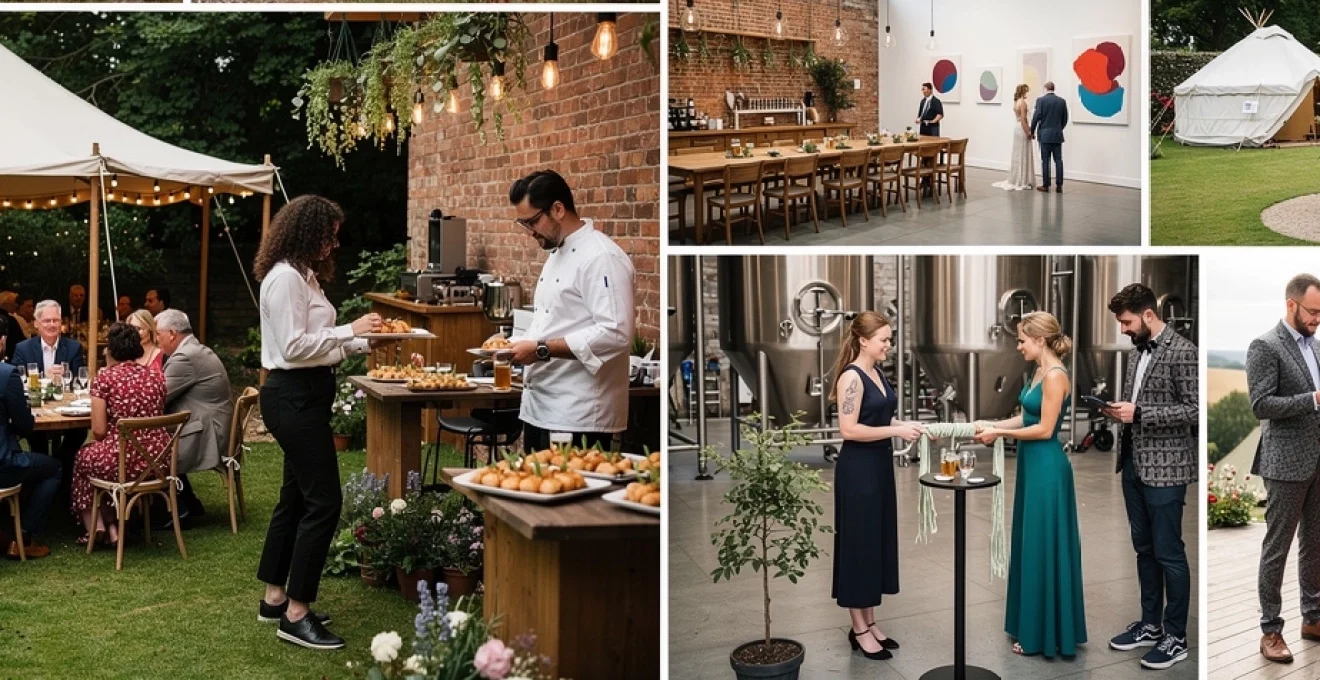
Modern couples are revolutionising the wedding industry by challenging centuries-old traditions and creating celebrations that truly reflect their personalities, values, and relationships. Gone are the days when wedding planning followed a rigid formula of church ceremonies, white dresses, and formal receptions. Today’s engaged couples are embracing authenticity over convention, prioritising meaningful experiences over societal expectations, and crafting weddings that tell their unique love stories.
This shift towards personalised celebrations represents more than just a trend – it reflects a broader cultural movement towards self-expression and individuality. Contemporary couples are questioning why they should adhere to traditions that may not resonate with their beliefs, lifestyles, or dreams for their special day. From intimate micro-ceremonies to unconventional venues, sustainable practices to digital-first planning approaches, the wedding landscape is transforming in remarkable ways.
The beauty of breaking wedding conventions lies in the freedom it provides. When couples step away from traditional expectations, they often discover more budget-friendly options, reduced stress levels, and celebrations that feel genuinely authentic to who they are as individuals and as a partnership. These non-traditional approaches are not just changing how weddings look and feel – they’re redefining what marriage celebrations can represent in the 21st century.
Micro wedding ceremonies: intimate celebrations under 50 guests
The micro wedding movement has gained tremendous momentum, particularly following global events that highlighted the importance of intimate gatherings. These celebrations typically include fewer than 50 guests, allowing couples to focus on quality over quantity when it comes to their wedding experience. The reduced guest count creates opportunities for more meaningful interactions, personalised touches, and often significant cost savings that can be redirected towards other priorities like a dream honeymoon or home deposit.
Micro weddings enable couples to invest more in individual guest experiences. Rather than serving a standard three-course meal to 150 people, couples might opt for a chef-prepared tasting menu for 25 close family members and friends. This approach often results in higher quality food, better service, and more memorable experiences for everyone involved. The intimate setting also allows for more flexible timing, with some couples choosing mid-week celebrations or non-traditional hours that wouldn’t work for larger gatherings.
Backyard marquee receptions with bespoke catering services
Transforming family gardens into wedding venues has become increasingly sophisticated, with professional marquee companies offering elegant solutions that rival traditional reception halls. These backyard celebrations provide complete control over every aspect of the day, from décor choices to catering styles. Couples can work with bespoke catering services to create menus that reflect their cultural heritage, dietary preferences, or favourite cuisines without the limitations often imposed by venue-based caterers.
Elopement photography packages in remote UK locations
The rise of adventure elopements has created a new market for photographers specialising in remote location shoots across the UK’s most stunning landscapes. From Scottish Highland ceremonies to Cornish coastal vows, these intimate weddings prioritise natural beauty and authentic moments over elaborate setups. Professional elopement photographers often include planning services, helping couples navigate legal requirements while capturing their commitment in breathtaking settings that reflect their adventurous spirits.
Registry office ceremonies with personalised vow writing
Registry office weddings are experiencing a renaissance as couples discover the elegance of simplicity combined with personal touches. Modern registry ceremonies allow for personalised vows that express individual values and promises, moving beyond generic scripts to create meaningful exchanges. These ceremonies often incorporate family traditions, cultural elements, or shared interests while maintaining the legal structure required for marriage recognition.
Pop-up wedding venues in converted industrial spaces
Urban couples are increasingly drawn to pop-up venues in converted warehouses, former factories, and industrial spaces that offer blank canvas opportunities for creative expression. These unconventional locations provide flexibility for couples who want to design their celebration from the ground up, often featuring exposed brick, high ceilings, and architectural details that create stunning backdrops for contemporary wedding photography.
Non-traditional venue selection beyond church and hotel ballrooms
The venue selection process has expanded dramatically beyond traditional options, with couples seeking locations that reflect their interests, hobbies, and shared experiences. This
might mean exchanging vows in the place you first met, hosting a relaxed celebration at your favourite pub, or taking over a gallery that showcases artists you both love. By stepping away from the default church-and-hotel package, couples are discovering venues that feel more like an extension of their lives than a stage set for a one-day performance. These non-traditional wedding venues often allow greater flexibility in styling, timings, and catering, giving you the freedom to design a celebration that feels truly your own.
Brewery taproom wedding receptions with craft beer pairings
Brewery weddings have become a standout choice for couples who want a relaxed, urban feel and a focus on great drinks. Hosting your reception in a brewery taproom means you can curate craft beer pairings to match each course, work directly with brewers on bespoke wedding ales, and offer tasting flights instead of traditional toasts. Many UK breweries now offer dedicated wedding packages, complete with barrel tables, string lighting, and space for food trucks or informal sharing platters.
For guests who are not beer drinkers, breweries often collaborate with local distilleries or wine merchants to create a balanced bar menu. You might create a signature beer cocktail or name a small-batch brew after your shared surname or pet, adding a playful, personalised touch. From an aesthetic perspective, exposed tanks, polished concrete, and industrial details deliver a ready-made backdrop, reducing the need for heavy décor and helping to keep your overall wedding budget in check.
Museum gallery hire for contemporary art-themed ceremonies
For couples who love culture, booking a museum gallery for a wedding ceremony can feel like stepping into a living work of art. Many museums and contemporary art spaces across the UK now offer evening hire for weddings, allowing you to say your vows surrounded by curated exhibitions and architectural details. This type of non-traditional venue selection is ideal if you want your wedding photos to feature dramatic staircases, sculptural installations, or statement lighting rather than standard hotel carpets and chandeliers.
Working within a museum’s guidelines does require some flexibility – there may be restrictions on open flames, confetti, or amplified music in certain areas. However, the trade-off is a ready-made theme that ties your stationery, flowers, and even your wedding attire into the environment. Imagine guests enjoying canapés during a private viewing of your favourite gallery, or a string quartet performing beneath a large-scale artwork you both adore. It’s a powerful way to transform your ceremony into an immersive experience rather than a simple room hire.
National trust property weddings in historic manor houses
Historic manor houses and National Trust properties offer a compelling blend of tradition and individuality. While they are more conventional than a warehouse or brewery, many couples are using these venues in non-traditional ways – such as outdoor ceremonies on sweeping lawns, informal picnic receptions, or modern styling against centuries-old stone walls. The contrast between contemporary wedding trends and historic settings can create an effortlessly stylish look for your wedding day.
Another advantage of National Trust wedding venues is their built-in storytelling. You are not just hiring a room; you are borrowing a slice of British history, complete with landscaped gardens, period furniture, and grand staircases. For smaller micro wedding ceremonies, some properties offer intimate drawing rooms or libraries that feel like hosting loved ones at a very grand family home. Sustainability-minded couples also appreciate that these venues support conservation work, aligning their celebration with a wider purpose.
Glamping site celebrations with yurt reception spaces
For outdoorsy couples, glamping sites and eco-retreats provide the perfect foundation for a festival-style celebration. Instead of a formal ballroom, you might host your reception inside a giant yurt, tipi, or sailcloth tent, surrounded by bell tents where guests can stay overnight. This setup naturally encourages a more relaxed schedule, with welcome barbecues the night before, fire pits for late-night conversations, and brunch the next morning rather than a rushed departure.
Glamping weddings are particularly popular with couples who want to extend the celebration beyond a single day and create a mini holiday for their guests. Practical considerations do matter: you will need to think about accessibility, on-site facilities, and noise curfews, especially if the site is in a rural village. However, the reward is a wedding that feels like a private festival, with fairy lights strung through trees, locally sourced food trucks, and live music drifting across the fields as the sun sets.
Alternative wedding attire rejecting white dress conventions
One of the most visible ways couples are breaking wedding conventions is through their attire. The expectation that brides will wear a white gown and grooms will choose a dark suit is rapidly fading, replaced by a spectrum of colours, silhouettes, and styles. Designers are reporting increased demand for non-traditional wedding dresses in shades like blush, champagne, sage green, and even bold hues such as scarlet or midnight blue. Tailored jumpsuits, separates, and two-piece suits are also on the rise, offering comfort and personality for people of all genders.
Rejecting the white dress convention is not just a fashion decision; it is often a statement about identity and values. Some couples choose outfits that reflect cultural heritage, such as brightly patterned African wax prints, embroidered lehengas, or kilts representing Scottish clans. Others prioritise sustainability by opting for vintage finds, renting designer pieces, or re-wearing a favourite suit rather than purchasing a single-use gown. As gender norms continue to evolve, we are also seeing brides in sharp tuxedos, grooms in pastel suits, and wedding parties in mismatched outfits that reflect individual tastes rather than strict colour palettes.
If you are considering alternative wedding attire, think about how you want to feel on the day rather than how you are “supposed” to look. Do you want to move freely on the dance floor, walk across a field for photos, or simply avoid worrying about every speck of dust on a white hem? Treat your outfit like a wearable extension of your story – perhaps incorporating embroidery of your wedding date, lining printed with meaningful lyrics, or accessories passed down from loved ones. When your clothing feels authentic, your confidence in front of the camera and your guests will naturally follow.
Digital-first wedding planning through social media integration
Another major way couples are breaking wedding conventions is by embracing digital-first wedding planning and weaving social media into almost every stage of the process. Instead of relying solely on physical invitations and traditional planners, many modern couples use shared Pinterest boards, Instagram saves, and TikTok inspiration videos to develop their vision. According to recent industry surveys, more than 70% of engaged couples now research suppliers primarily online, often discovering independent photographers, celebrants, and stylists through social media rather than word of mouth alone.
Digital tools also streamline communication and organisation. You might set up a wedding website to manage RSVPs, dietary requirements, and travel information, reducing the need for endless email chains. Group chats with your wedding party keep everyone aligned on fittings, hen or stag plans, and schedules. Some couples even create private Instagram accounts to share behind-the-scenes planning updates, allowing friends and family to feel involved without constant phone calls. When used thoughtfully, these platforms can remove friction and keep your planning timeline on track.
On the wedding day itself, social media integration can take many forms. Some couples provide a custom wedding hashtag and encourage guests to share their favourite moments, creating a real-time digital album you can revisit long after the professional gallery arrives. Others prefer an “unplugged” ceremony, asking guests to put phones away so the photographer has clear sight lines and everyone is truly present. You can still embrace digital-first planning while setting boundaries around screen time; the key is agreeing as a couple on what feels right. Think of social media as a powerful tool in your planning toolkit – helpful when used with intention, but not something that should overshadow the emotional core of your celebration.
Personalised ceremony scripts replacing traditional religious vows
Perhaps the most meaningful break from convention is happening within the ceremony itself. Increasingly, couples are replacing traditional religious vows with personalised ceremony scripts that speak directly to their values, histories, and hopes for the future. Working with an independent celebrant, humanist officiant, or forward-thinking registrar, you can co-create a structure that includes readings from literature, lyrics from songs you love, or even excerpts from letters you have written to each other. The result is a ceremony that feels less like a formality and more like a narrative of your relationship.
Personalised vows also give you the chance to address real-life commitments that matter to you, from supporting each other’s careers and mental health to sharing parenting responsibilities or travel dreams. It is common for couples to include both a private vow exchange – perhaps at a first look before the ceremony – and a more public version during the legal or symbolic service. If you are nervous about speaking in front of a crowd, your celebrant can help you find a format that feels comfortable, such as repeating short phrases or blending your promises into a joint statement. The goal is not perfection, but authenticity.
Handfasting rituals with celtic cord binding ceremonies
Handfasting is an ancient Celtic tradition that has seen a powerful revival in modern weddings, particularly for couples seeking a non-religious yet symbolic ritual. During a handfasting ceremony, the couple’s hands are bound together with cords or ribbons as they make their vows, representing the literal “tying of the knot.” This visual moment can be incredibly moving for guests and photographs beautifully, especially when cords are chosen in meaningful colours or materials.
Many couples personalise their handfasting by inviting family members or close friends to place different cords, each representing qualities such as love, loyalty, or adventure. You might use fabric cut from a relative’s wedding dress, tartan linked to your heritage, or ribbons in your wedding palette. While a celebrant or officiant usually leads the ritual, the wording and symbolism are entirely flexible, allowing you to shape the tone – from deeply spiritual to light-hearted and playful. If you are blending cultural traditions, handfasting can sit alongside other rituals to create a ceremony that honours all facets of your identity.
Sand ceremony unity rituals for blended family weddings
For couples bringing together children from previous relationships, or simply wanting to include family in a meaningful way, sand ceremonies offer a powerful visual metaphor. Each person involved – the couple, children, or even parents – pours coloured sand into a central vessel, creating layered patterns that can never be separated again. It is a simple, accessible ritual that speaks to unity and shared commitment, whatever your religious background.
Blended family weddings, in particular, benefit from rituals that actively recognise new bonds. Instead of children feeling like side observers, a sand ceremony invites them to participate in forming the new family unit. You can choose colours that represent different individuals or values, and your celebrant can narrate the symbolism as the sand is poured. After the wedding, the finished vessel becomes a keepsake displayed at home, a daily reminder of the promises made not just between partners, but among everyone in the household.
Tree planting ceremonies as environmental wedding symbolism
Tree planting ceremonies are gaining popularity among environmentally conscious couples who want their wedding to leave a positive legacy. Instead of lighting candles or releasing balloons, you plant a sapling together during or shortly after the ceremony, symbolising growth, resilience, and the roots you are putting down as a couple. This can take place in a family garden, at your venue (with permission), or at a designated rewilding or conservation site.
The symbolism is rich: just as a tree requires care, water, and the right conditions to thrive, so too does a marriage. Over the years, you can watch your tree mature, measuring its growth alongside your own shared milestones. Some couples choose to plant native species that support local wildlife, aligning the ritual with broader sustainability goals. If planting on the day is not practical, you might incorporate soil or leaves from meaningful locations, then complete the full planting in private as a post-wedding ritual.
Wine box time capsule traditions for anniversary celebrations
Another modern twist on ceremony symbolism is the wine box time capsule. During the wedding, the couple place a sealed bottle of wine, letters to each other, and perhaps copies of their vows or wedding readings into a wooden box. The box is then nailed or locked shut, with instructions to open it on a specific anniversary or during a challenging period in the marriage. This ritual acknowledges that relationships will face ups and downs, and builds in a future moment of reconnection.
To make the wine box tradition more personal, you might include small mementos such as ticket stubs from your first date, a printed screenshot of your earliest messages, or a photo taken the morning of the wedding. Some couples ask parents or close friends to add notes of advice or encouragement. When you eventually open the box, you are not just sharing a drink; you are revisiting the hopes and promises of your wedding day with the perspective of years lived together. It becomes both a celebration and a gentle reminder of how far you have come.
Sustainable wedding practices minimising environmental impact
Sustainability is no longer a niche concern; it is a central priority for many couples planning modern weddings. Research from several UK wedding industry reports suggests that a typical 100-guest wedding can produce several tonnes of CO₂ emissions when you account for travel, food waste, décor, and clothing. In response, engaged couples are actively seeking ways to minimise environmental impact without sacrificing style or guest experience. This has given rise to eco-conscious choices at every stage, from venue selection to catering and décor.
Simple switches can make a significant difference. Choosing a local, seasonal menu reduces food miles and supports regional producers, while offering vegetarian or plant-forward dishes can dramatically lower the event’s carbon footprint. Décor is another key area: instead of single-use plastic favours and imported flowers, couples are opting for potted plants, dried arrangements, or living installations that can be replanted after the day. Renting items such as tableware, linens, and even outfits cuts down on waste and often proves more cost-effective than buying new.
Travel is typically the largest contributor to wedding emissions, so thinking carefully about location and logistics is crucial. Hosting your ceremony and reception at the same venue, arranging group transport, or encouraging car-sharing helps to reduce individual journeys. Some couples go further by choosing venues accessible by public transport or providing guests with carbon offset options as part of the RSVP process. If you are hosting an outdoor or glamping-style celebration, eco-toilets, solar-powered lighting, and clear recycling points can all play a role in keeping your footprint light.
Ultimately, sustainable wedding practices are about aligning your celebration with your broader values. You do not need to achieve perfection; even a handful of conscious decisions can make your day more planet-friendly. Think of sustainability as another layer of personalisation – just as you curate music and menus that reflect who you are, you can design a wedding that reflects how you want to impact the world around you. By doing so, you set a powerful example for your guests and start married life with a shared commitment to caring for the future you are building together.