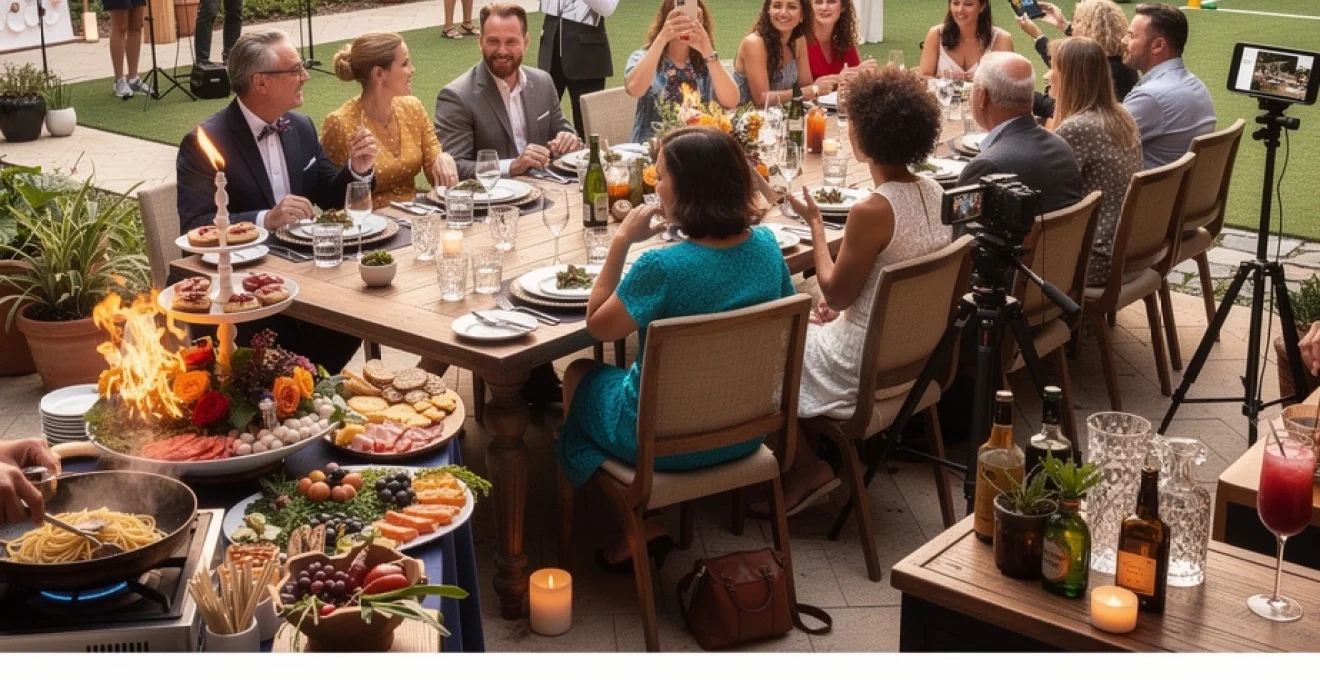
The landscape of wedding receptions has undergone a remarkable transformation in recent years, driven by couples who prioritize authenticity, intentionality, and deeply personal celebrations over cookie-cutter traditions. Modern weddings are no longer bound by the restrictive templates of the past. Instead, they reflect the unique personalities, values, and life stories of those getting married. From reimagined dining experiences to sustainable planning methodologies, today’s reception trends emphasize meaningful guest engagement and genuine emotional connection. The shift represents a broader cultural movement toward celebrations that feel lived-in rather than performed, where every design choice serves a purpose beyond aesthetics alone.
Micro-weddings and intimate reception formats replacing traditional Large-Scale events
The evolution toward smaller, more intentional gatherings has fundamentally altered how couples approach their reception planning. Rather than feeling pressured to invite extended networks of distant acquaintances, modern couples are curating guest lists that prioritize quality of connection over quantity of attendees. This shift reflects a deeper understanding that memorable celebrations stem from genuine intimacy rather than impressive headcounts. The micro-wedding movement has transformed from a pandemic necessity into a preferred choice for couples seeking authenticity in their celebrations.
Guest list curation strategies: the 50-person maximum movement
The deliberate limitation of guest lists to fifty people or fewer has become a defining characteristic of contemporary wedding receptions. This strategic downsizing allows couples to invest more meaningful time with each attendee, creating opportunities for genuine conversation and connection that simply aren’t possible at larger events. The financial implications are equally significant—with fewer guests to accommodate, couples can reallocate their budgets toward premium experiences that elevate the overall celebration. This might manifest as higher-quality cuisine, exceptional wine pairings, or luxurious venue selections that would be financially prohibitive for larger gatherings. The psychological benefits are equally compelling, as couples report feeling less overwhelmed and more present during their celebrations when surrounded exclusively by their closest loved ones.
Multi-day celebration models: welcome dinners and Post-Wedding brunches
Modern receptions increasingly exist within broader celebration frameworks that span multiple days. Welcome dinners the evening before the wedding create relaxed environments for guests to connect before the main event, reducing the pressure on the reception itself to facilitate all social interactions. Post-wedding brunches extend the celebration beyond a single evening, allowing couples and guests to process the experience together in a more casual atmosphere. These extended celebration models acknowledge that meaningful connections develop over time rather than in compressed, high-pressure environments. The multi-day approach also accommodates destination wedding logistics more gracefully, providing value for guests who have travelled significant distances to attend.
Venue downsizing: private estates and boutique hotel takeovers
The shift toward intimate reception formats has sparked renewed interest in non-traditional venue options. Private estates, family properties, and boutique hotel buyouts offer the exclusivity and personalization that modern couples seek. These venues provide inherent character and atmosphere that generic banquet halls cannot replicate, creating backdrops that feel genuine rather than staged. The emotional resonance of celebrating in locations with personal significance—whether a childhood home or a property that reflects the couple’s aesthetic sensibilities—adds layers of meaning to the reception experience. Boutique hotel takeovers allow couples to create weekend-long celebration environments where guests become part of an immersive experience rather than attendees at a single event.
Cost-per-guest reallocation: premium dining and personalised favours
With smaller guest counts, couples can dramatically increase their per-person investment without exceeding overall budget parameters. This reallocation manifests most visibly in culinary programmes, where tasting menus, chef-attended stations, and premium ingredient selections replace standard plated meals. Personalised favours evolve from generic trinkets into thoughtful keepsakes—custom-engraved items, artisanal products from local makers, or experiences rather than objects. The financial flexibility of micro-weddings allows couples to prioritize quality over quantity in every aspect of their reception, from premium spirits at the bar to upgraded linen selections that enhance the tactile experience of the celebration.
Interactive food and beverage experiences transforming reception dining
Live cooking stations: chef-attended pasta bars and flambé dessert theatrics
Interactive food experiences have become a hallmark of modern wedding receptions, turning dining into entertainment rather than a passive, seated obligation. Live cooking stations invite guests to engage directly with chefs, ask questions, and customise their plates in real time. Chef-attended pasta bars, for example, allow guests to select their preferred pasta shape, sauce, and toppings, resulting in restaurant-quality dishes prepared to order. This format breaks down the barrier between kitchen and dining room, making the culinary team a visible and memorable part of the celebration.
Dramatic dessert activations, such as flambé stations or tableside brûlée, add an element of theatre that guests of all ages remember long after the evening ends. The sound of sizzling pans, the glow of open flame, and the aroma of caramelised sugar create a multi-sensory experience that a traditional plated dessert cannot match. For couples, these chef-led stations offer a way to showcase their love of food and hospitality while keeping the reception energy high. Venues and caterers increasingly offer modular station setups, making it easier to integrate live cooking into both indoor ballrooms and outdoor tented receptions.
Grazing tables and charcuterie landscapes as cocktail hour centrepieces
Grazing tables and expansive charcuterie displays have evolved from simple appetiser spreads into sculptural centrepieces that anchor the cocktail hour. These abundant layouts, often styled with layers of boards, risers, and florals, encourage guests to circulate, mingle, and discover new flavours at their own pace. Rather than queuing for passed canapés, guests move organically around the space, creating a more relaxed and social atmosphere. For couples focused on an immersive guest experience, a beautifully curated grazing table functions as both décor and dining.
Modern charcuterie landscapes go well beyond cheese and cured meats. Caterers are integrating local honey, seasonal fruit, marinated vegetables, artisanal breads, and even dessert elements into these displays. Thoughtful labelling helps guests navigate dietary preferences and allergies, ensuring inclusive reception dining formats for vegan, gluten-free, or dairy-free attendees. Because grazing tables can be replenished over time, they are particularly effective for receptions with extended cocktail hours or deconstructed timelines where formal courses are less rigid. The result is a visually impressive and highly functional focal point that sets the tone for the rest of the evening.
Signature cocktail programmes: bespoke mixology and naming conventions
Signature cocktail programmes have moved far beyond the standard “his and hers” drinks into curated bar experiences that reflect the couple’s story. Modern reception bars increasingly partner with skilled mixologists to develop bespoke cocktails featuring house-made syrups, infused spirits, and fresh, seasonal ingredients. Each drink can be inspired by a travel memory, a favourite restaurant, or a meaningful moment in the relationship, turning the bar menu into a subtle narrative thread. This approach to personalised beverage service allows couples to express their tastes while still offering classic options for guests who prefer familiar favourites.
Naming conventions play a key role in elevating these custom cocktail programmes. Rather than generic labels, couples are choosing witty, story-driven names that prompt conversation—think “First-Date Negroni,” “Garden Vow Spritz,” or “Couple’s Paloma.” Elegant bar signage and printed menus help guests navigate their choices and encourage them to try something new. For receptions with a strong design aesthetic, glassware, garnishes, and ice shapes are treated as part of the visual identity, ensuring the bar experience feels cohesive with the broader wedding style. Well-planned signature cocktail offerings also streamline service, reducing bar lines and keeping the reception timeline flowing smoothly.
Alternative catering formats: food trucks, family-style service, and tapas menus
As couples move away from rigid, three-course plated dinners, alternative catering formats are redefining what reception dining can look like. Food trucks have become especially popular for outdoor weddings and late-night service, providing high-quality, specialty cuisine with a casual, festival-inspired feel. A curated line-up—such as gourmet tacos, wood-fired pizza, or artisanal ice cream—allows guests to build their own culinary adventure. This format works particularly well for couples who want a relaxed, reception party atmosphere without sacrificing food quality.
Inside more traditional venues, family-style service and tapas-style menus have emerged as powerful tools for encouraging guest interaction. Shared platters placed at each table prompt conversation and foster a sense of communal dining, much like a celebratory meal at home. Smaller, shareable plates presented over multiple waves keep energy high and invite guests to sample a variety of flavours rather than committing to a single entrée. For couples planning micro-weddings, these formats balance sophistication and warmth, ensuring everyone feels included in the experience. Clear communication with caterers about timing and dietary needs is essential to keep service smooth and inclusive for all guests.
Sustainable and eco-conscious reception planning methodologies
Environmental responsibility has shifted from a niche concern to a central pillar of modern wedding reception planning. More couples are questioning the lifecycle of every design choice—from menus and florals to stationery and favours—and seeking ways to reduce waste without compromising style. Sustainable wedding receptions are not about deprivation; instead, they prioritise thoughtful sourcing, reuse, and long-term value. As sustainability becomes a defining trend in the events industry, venues and vendors are introducing innovative options that make eco-conscious decisions easier and more accessible for couples at every budget level.
Zero-waste catering systems: compostable serviceware and donation partnerships
Zero-waste catering strategies aim to minimise the environmental footprint of reception dining by addressing everything from portion planning to end-of-night clean-up. Caterers are becoming more precise with headcounts and menu quantities, reducing overproduction and food waste. When surplus food is unavoidable, many are partnering with local shelters or food rescue organisations to donate safely handled leftovers, ensuring that abundance serves a broader community purpose. These donation partnerships can be highlighted in the programme or speeches, aligning the celebration with the couple’s values.
For receptions that incorporate casual or outdoor elements, compostable serviceware and reusable drinkware provide alternatives to traditional single-use plastics. High-quality bamboo plates, plant-based utensils, and compostable cups now offer a refined aesthetic that blends seamlessly with modern wedding décor. Coordinating with venues on composting and recycling infrastructure is essential; without proper sorting and collection, even eco-friendly materials may end up in landfill. Couples who prioritise zero-waste receptions often work with planners or “green wedding” consultants to design systems that are practical for staff and invisible to guests, maintaining a polished experience while significantly reducing environmental impact.
Local and seasonal sourcing: farm-to-table menus and regional suppliers
Farm-to-table reception menus are gaining momentum as couples seek to reduce their carbon footprint while supporting local economies. By working with caterers who prioritise local and seasonal sourcing, you can showcase ingredients grown or produced within your region, often resulting in fresher, more flavourful dishes. Menus built around what is naturally available at the time of year feel inherently cohesive with the surrounding landscape, whether you are hosting a spring garden wedding or an autumn vineyard celebration. This approach also simplifies decisions, as the season itself becomes a guiding framework for dish selection.
Beyond food, local sourcing extends to beverages, florals, and favours. Serving regional wines, craft beers, or small-batch spirits adds a layer of storytelling to the bar programme. Florists working with local growers or foraging responsibly can create arrangements that mirror the native environment rather than relying on imported blooms. Even favours—such as honey from a nearby apiary or ceramics from a local artisan—can reflect a commitment to place. While local and seasonal choices may occasionally limit specific options, they often lead to more distinctive and memorable receptions that feel grounded in their setting.
Carbon-neutral event strategies: digital invitations and offsetting programmes
As awareness of carbon emissions grows, couples are exploring carbon-neutral strategies to balance the environmental impact of travel, energy use, and production associated with their wedding. One of the most accessible shifts is moving from traditional paper suites to digital invitations and RSVPs. Thoughtfully designed e-invites and wedding websites can still convey formality and style while eliminating printing and postage emissions. For couples who love tactile stationery, hybrid models—such as a single printed keepsake invitation complemented by digital updates—offer a balanced compromise.
To address unavoidable emissions, some couples are turning to reputable carbon offsetting programmes that support reforestation, renewable energy, or community-based sustainability projects. These offsets can be calculated based on estimated guest travel and event energy usage, often with the help of specialised calculators or eco-focused planners. Venues are also beginning to adopt greener practices, from LED lighting and smart climate control to partnerships with green energy providers. Sharing these efforts with guests—perhaps via a note on the website or a brief mention in the ceremony—can inspire others and reinforce that a luxurious wedding reception and environmental responsibility can coexist.
Rental décor models: reusable centrepieces and vintage prop hire services
One of the most effective ways to host an eco-conscious reception is to prioritise rental décor over single-use purchases. Rental companies now offer an impressive range of items, from high-end candleholders and linens to statement furniture and ceremony arches, all designed to be used repeatedly across events. By choosing reusable centrepieces and accessories, couples significantly reduce waste and storage issues after the wedding. This model also provides access to premium pieces—such as crystal glassware or bespoke china—that would be cost-prohibitive to purchase outright.
Vintage prop hire services add another layer of sustainability and style, tapping into the ongoing trend toward retro revival and nostalgic design. Carefully sourced antiques, mid-century furniture, or old-world bar carts can transform a space while honouring the character of well-made objects. Because these items already exist, their environmental cost has effectively been amortised over decades of use. When combined with seasonal florals and candlelight, rental and vintage décor can create an atmosphere that feels curated and personal without generating excess waste. Coordinating with your planner to design a cohesive scheme using available rental inventories ensures the final look remains intentional and elevated.
Technology integration in reception entertainment and guest engagement
Technology is reshaping how guests experience modern wedding receptions, offering new ways to connect in real time and to preserve memories long after the last song. Rather than replacing traditional elements, thoughtful tech integration enhances them, creating hybrid experiences that feel both contemporary and warm. From live streaming for distant loved ones to digital guestbooks and social media activations, couples are leveraging tools that align with their comfort level and event style. The key is intentionality: technology should support the emotional core of the celebration, not distract from it.
Live streaming infrastructure: multi-camera setups and virtual guest platforms
Live streaming has transitioned from an emergency solution into a strategic choice for inclusive wedding receptions. With international families, health considerations, and busy schedules, not every loved one can be physically present. High-quality multi-camera setups, professional audio capture, and stable streaming platforms allow virtual guests to witness the ceremony, speeches, and key reception moments in real time. When executed well, this approach can feel more like a curated broadcast than a simple phone propped on a tripod.
To create an engaging virtual guest experience, some couples designate a dedicated “online host” who welcomes remote attendees, explains the schedule, and ensures they feel acknowledged. Chat features can be used to collect messages or reactions that are later shared with the couple, bridging the gap between physical and digital spaces. Venues and planners familiar with hybrid events can advise on internet bandwidth, camera placement, and backup plans in case of technical issues. While live streaming introduces additional logistics and cost, it offers a powerful way to include those who might otherwise miss the celebration entirely.
Social media integrations: custom hashtags and instagram-worthy photo installations
Social media continues to influence reception design, but the focus is shifting from one-off “viral” moments to cohesive, shareable experiences. Custom wedding hashtags remain a useful tool for aggregating guest photos and videos into a single, easily searchable stream. When displayed discreetly on signage or programmes, they act as an invitation rather than a demand, allowing guests to participate at their comfort level. Couples who value privacy may opt for “unplugged” ceremonies with more relaxed guidelines during the reception, striking a balance between presence and documentation.
Instagram-worthy photo installations are evolving as well, moving beyond traditional flower walls into more imaginative, story-driven backdrops. Think scenic walls that echo the couple’s favourite destinations, layered sets inspired by art movements, or interactive vignettes featuring vintage furniture and curated props. These installations function as both décor and activity, giving guests a place to gather, pose, and create content together. Strategic lighting design—soft front light, flattering angles, and thoughtful spotlights—ensures images look polished with minimal editing. For couples, these social-friendly spaces act as modern equivalents of a portrait studio, capturing candid yet elevated snapshots of their entire guest list.
Digital guestbook alternatives: video messages and QR code check-in systems
The traditional guestbook is being reimagined through digital tools that capture richer, more dynamic memories. Video guestbooks, where attendees record short clips on a dedicated device or app, allow friends and family to share stories, advice, and well-wishes in their own voices. Watching these messages after the wedding often feels like reliving the reception from multiple perspectives, adding emotional depth that signatures alone cannot provide. Some couples set up a cosy “recording nook” with good lighting and simple prompts to encourage even camera-shy guests to participate.
On the logistical side, QR code check-in systems are streamlining guest arrival and data collection. By scanning a code on entry, guests can confirm attendance, update contact details, and access seating plans or menu information on their phones. This reduces paper waste and minimises congestion at escort card tables, especially for larger receptions. QR codes can also link to photo galleries, playlists, or donation pages tied to the couple’s chosen charities. When used thoughtfully, these digital tools create a smoother, more interactive guest journey while keeping the focus firmly on human connection.
Non-traditional entertainment programming beyond DJ and dance floor formats
While a packed dance floor remains a beloved staple of many receptions, couples are increasingly diversifying their entertainment to accommodate different personalities and energy levels. Not every guest wants to dance for four hours straight, and modern wedding receptions recognise that variety is key to guest comfort. Non-traditional entertainment elements—ranging from live artists and immersive performers to wellness lounges and nostalgic game zones—create a layered experience where everyone can find their place. This shift reframes the reception as a curated evening of experiences rather than a single, linear party.
Live music is being reinterpreted in fresh ways, with couples hiring jazz trios, string quartets playing modern covers, or bands discovered while travelling to perform during cocktails or dinner. Interactive performers, such as caricature artists, tarot readers, or live poets composing custom pieces for guests, add unexpected moments of delight and personalisation. For those who cherish a quieter pace, dedicated lounge areas with board games, conversation cards, or vinyl listening stations provide a welcome alternative to the high-energy dance floor. Thoughtful scheduling—staggering performances and activities throughout the night—ensures the reception feels dynamic without becoming overwhelming.
Personalised design aesthetics: maximalism, retro revival, and cultural fusion décor
In reception design, personal expression has taken centre stage, with couples moving confidently away from one-size-fits-all aesthetics. Rather than adhering to a single trend, many are embracing layered, highly individual styles that blend maximalist details, retro references, and cultural elements from their backgrounds. The result is a new generation of reception décor that feels less like a showroom and more like stepping into the couple’s world. Every choice—from colour palette and textiles to tableware and signage—supports an overarching narrative about who they are and what they love.
Maximalist wedding receptions lean into bold colours, abundant pattern mixing, and richly textured tablescapes. Think patterned linens paired with coloured glassware, eclectic candleholders, and dense floral compositions that feel like art installations. Retro revival might appear through mid-century bar carts, disco balls over the dance floor, or typography inspired by ‘70s record sleeves on menus and signage. Cultural fusion décor, meanwhile, allows couples from diverse or blended backgrounds to honour multiple traditions in a modern way—perhaps through textiles, ceremonial objects, or regional motifs incorporated into centrepieces and backdrops.
The most successful personalised design schemes maintain cohesion through a clear visual language, even when individual elements are eclectic. Working closely with planners, stylists, and florists, couples can build mood boards that articulate their desired atmosphere: moody and romantic, bright and celebratory, or nostalgic and whimsical. The goal is not perfection but resonance—creating a reception space where guests instantly recognise the couple’s personality in every detail. When design is treated as storytelling rather than decoration, modern wedding receptions become truly unforgettable environments that feel, unmistakably, like “you.”