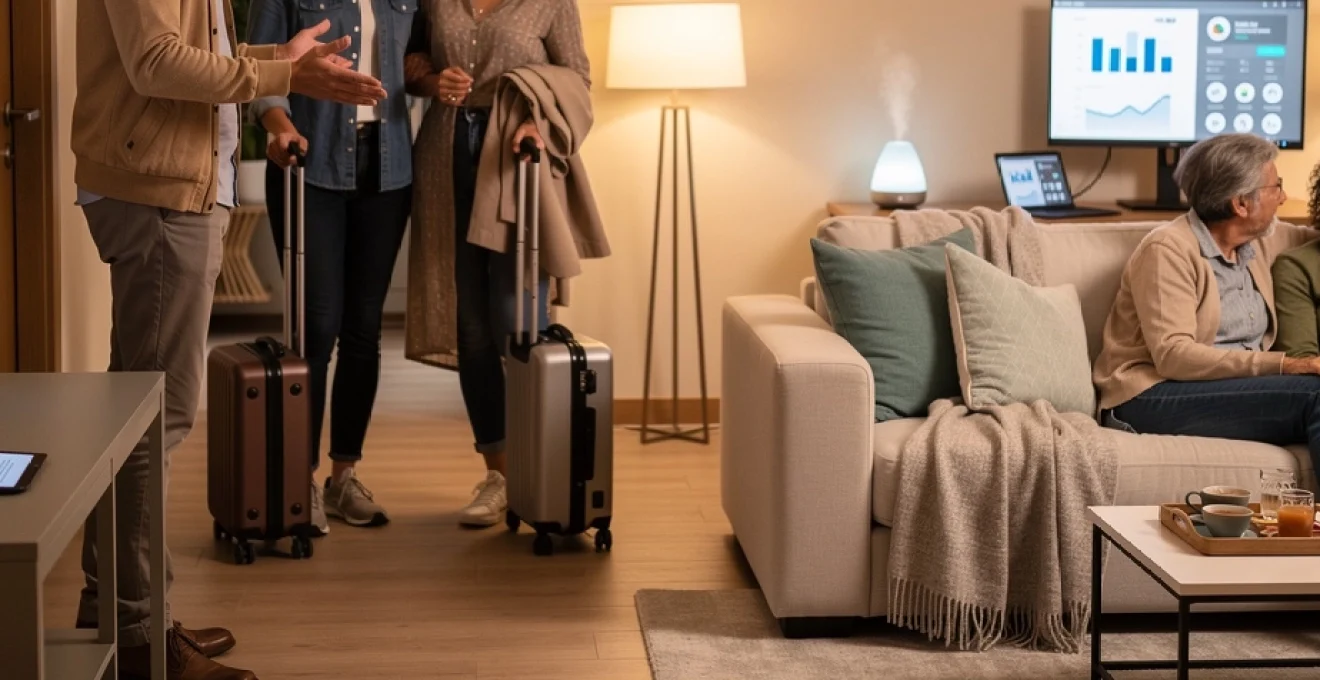
Creating an exceptional guest experience extends far beyond providing clean linens and a comfortable bed. In today’s competitive hospitality landscape, the difference between satisfied and delighted guests lies in the thoughtful details and seamless integration of technology with personal touches. Modern hosts must balance traditional hospitality principles with cutting-edge solutions that anticipate guest needs before they arise. The art of hospitality has evolved into a sophisticated blend of emotional intelligence, strategic planning, and technological innovation that transforms ordinary stays into memorable experiences.
Understanding guest psychology reveals that comfort stems from feeling valued, understood, and cared for throughout their entire journey. This comprehensive approach requires hosts to think beyond the immediate accommodation needs and consider the broader context of their guests’ experience. From the moment booking confirmation arrives until the final farewell, every touchpoint presents an opportunity to exceed expectations and create lasting positive impressions.
Pre-arrival guest communication protocols and personalisation strategies
The foundation of exceptional guest experience begins long before arrival, with strategic communication protocols that build anticipation and eliminate uncertainty. Modern hosts recognise that the pre-arrival phase represents a critical opportunity to establish rapport, gather preferences, and set clear expectations. This proactive approach significantly reduces guest anxiety whilst positioning the host as attentive and professional.
Automated welcome email sequences with mailchimp and constant contact integration
Email automation platforms transform basic booking confirmations into engaging welcome journeys that nurture guest relationships. Mailchimp and Constant Contact systems enable hosts to create sophisticated drip campaigns that deliver timely, relevant information without overwhelming recipients. These sequences typically begin with immediate booking acknowledgment, followed by personalised welcome messages, practical preparation tips, and arrival instructions delivered at optimal intervals.
Effective email sequences incorporate dynamic content that adapts based on guest characteristics, booking details, and seasonal considerations. For instance, families with children might receive information about nearby playgrounds and family-friendly restaurants, whilst business travellers could access workspace amenities and local transport links. This personalised communication demonstrates attention to individual needs and creates positive anticipation for the upcoming stay.
Guest preference data collection through survey monkey and typeform systems
Sophisticated data collection systems enable hosts to gather detailed preference information without creating burdensome questionnaires. Survey Monkey and Typeform platforms offer intuitive interfaces that encourage guest participation through engaging, conversational formats. These tools capture essential information about dietary requirements, temperature preferences, special occasions, and accessibility needs that inform personalisation strategies.
Strategic questionnaire design focuses on actionable preferences that directly impact guest comfort. Rather than lengthy forms, successful hosts deploy targeted questions that reveal high-impact opportunities for customisation. This data becomes invaluable for creating memorable experiences, such as adjusting room temperature before arrival or arranging special amenities for celebrating guests.
Personalised arrival instructions using google my business and WhatsApp business API
Clear, personalised arrival instructions eliminate common sources of guest frustration whilst showcasing technological sophistication. Google My Business integration provides real-time location data and traffic updates, whilst WhatsApp Business API enables instant, interactive communication channels. These tools work synergistically to create seamless arrival experiences that adapt to changing circumstances.
Modern arrival protocols include interactive elements such as photo-based directions, voice message introductions, and real-time parking availability updates. Hosts can leverage geolocation features to trigger automated welcome messages when guests approach the property, creating an impressive first impression that demonstrates technological competence and genuine care for guest convenience.
Digital concierge services via chatbot implementation and AI-Powered recommendations
AI-powered concierge systems provide instant, 24/7 support that enhances guest autonomy whilst reducing host workload. These sophisticated chatbots handle routine enquiries, provide local recommendations, and escalate complex requests to human operators when necessary. The technology creates an always-available support system that guests appreciate, particularly during off-hours or when hosts are unavailable.
Advanced chatbot implementations incorporate machine learning algorithms that improve recommendations based on guest behaviour patterns and feedback. These systems can suggest restaurants based on dietary preferences, recommend activities aligned with weather conditions
and even highlight quieter attractions for guests who prefer a more relaxed pace. Think of a digital concierge as a knowledgeable local who never sleeps: always ready with directions, check-in guidance, or late-night room comfort tips. When implemented well, these systems reduce response times, capture valuable guest data for future stays, and ensure that no guest query falls through the cracks.
To maintain a human touch, you can configure your chatbot to hand off to a real team member whenever sentiment analysis detects frustration or complex needs. This hybrid model ensures your guests feel heard, not handled by a machine. Over time, analytics from your digital concierge can reveal recurring questions or pain points, allowing you to refine your pre-arrival communication and in-room information. In other words, the more your guests use your AI channels, the smarter your entire hospitality operation becomes.
Physical environment optimisation for maximum guest comfort
Once guests arrive, the physical environment becomes the stage on which your hospitality promises are tested. Even the best communication cannot compensate for a room that is too hot, too bright, or too noisy. Optimising your space for comfort is a blend of science and empathy: you are designing not just for aesthetics, but for how people feel, sleep, and recover during their stay. Small, well-planned adjustments can turn an ordinary room into a sanctuary where guests genuinely relax.
Environmental comfort is also closely linked to perceived value. Studies in hotel guest satisfaction repeatedly show that sleep quality, room temperature, and noise levels are among the top drivers of positive reviews. When you fine-tune these variables with smart devices and thoughtful design, you not only make guests feel more comfortable and welcomed, you also increase the likelihood of repeat bookings and strong word-of-mouth recommendations.
Temperature control systems: nest thermostat and ecobee smart integration
Temperature control sits at the heart of physical comfort. Smart thermostats such as Nest and Ecobee allow you to set energy-efficient baselines while giving guests easy control over their individual space. These devices learn usage patterns, optimise heating and cooling cycles, and can be managed remotely, ensuring the room is at a pleasant temperature before guests walk through the door. That simple sensation of stepping into a room that “feels just right” sends an immediate signal of care.
To maximise guest comfort, configure temperature presets that align with common preferences, such as 20–22°C (68–72°F) for sleeping. You can then leave clear, concise instructions near the thermostat explaining how to adjust settings. For multi-unit properties, zoning your heating and cooling with smart thermostats helps you adapt to seasonal changes and different guest profiles—families, solo travellers, or older guests—without wasting energy. In effect, you are creating a climate “personalisation layer” that makes every stay feel tailored.
Lighting psychology applications using philips hue and LIFX colour temperature settings
Lighting has a powerful psychological impact on how at home guests feel in your space. Smart lighting solutions like Philips Hue and LIFX enable you to manipulate both brightness and colour temperature to support different phases of a guest’s stay. Warm, dimmable lighting in the evening can promote relaxation and better sleep quality, while brighter, cooler light in the morning helps guests feel energised and ready for the day. Think of your lighting scheme as a subtle, visual “welcome soundtrack” that plays from check-in to check-out.
By pre-setting lighting “scenes” for arrival, work, and night-time, you allow guests to choose a mode that suits their mood with a single tap or voice command. Clear labelling on switches or a simple card explaining how to use the system prevents confusion and frustration. You might also consider motion-activated night lights in hallways or bathrooms to help guests navigate unfamiliar spaces safely after dark. When lighting supports both function and emotion, guests are more likely to describe your property as warm, cosy, and thoughtfully designed.
Acoustic comfort management through sound masking and noise reduction techniques
Noise is one of the fastest ways to undermine an otherwise excellent guest experience. Acoustic comfort management combines building strategies, furnishings, and technology to reduce disruptive sounds and create a calm, restful environment. Simple upgrades such as heavier curtains, draft excluders around doors, and strategically placed soft furnishings can significantly dampen external noise. For properties in busy urban areas, these interventions are not optional; they are essential to making guests feel comfortable and welcomed.
In addition to passive sound reduction, consider offering active sound masking solutions. White noise machines or smart speakers with curated “sleep sound” playlists can help guests tune out background noise from corridors or streets. Some hosts also provide complimentary earplugs as a back-up, particularly in older buildings where complete silence is hard to achieve. When you communicate these efforts transparently—perhaps in your welcome book—you transform a potential weakness (location noise) into evidence of proactive, guest-centric design.
Aromatherapy diffusion systems and scent marketing strategies
Scent is a powerful but often overlooked dimension of guest comfort. Aromatherapy diffusion systems and subtle scent marketing strategies can instantly change how a space is perceived, making it feel fresher, cleaner, and more relaxing. Light, neutral fragrances such as citrus, green tea, or soft lavender tend to have broad appeal and can be used in diffusers, linen sprays, or reed diffusers in common areas. The goal is to create a gentle “signature scent” that guests associate with calm and cleanliness, not an overpowering perfume.
Because scent preferences and sensitivities vary, it is wise to choose hypoallergenic, phthalate-free products and avoid strong, polarising aromas. You can place diffusers away from direct airflow to prevent intensity spikes and leave a note explaining that guests may switch off or move the diffuser if they prefer an unscented environment. For longer stays, including a small essential oil selection allows guests to personalise their room ambience. By treating scent with the same strategic care as lighting and temperature, you engage another layer of guest comfort that feels both subtle and sophisticated.
Hospitality technology stack implementation for seamless guest experience
Behind every smooth, stress-free stay lies a well-orchestrated hospitality technology stack. Rather than relying on disconnected tools, leading hosts integrate booking engines, property management systems (PMS), customer relationship management (CRM) platforms, and communication apps into a coherent ecosystem. This integration ensures that guest data flows securely from one stage of the journey to the next, minimising manual errors and duplicated effort. When your systems “talk” to each other, you can focus more on genuine hospitality and less on administrative firefighting.
A typical modern stack might combine a cloud-based PMS with channel management, automated messaging, and digital guidebooks. For example, your PMS records check-in times and triggers an SMS with door codes, while your CRM logs guest preferences for future marketing campaigns. Payment gateways, mobile key solutions, and in-room tablets or QR codes round out the experience, giving guests convenient, contactless ways to access information and services. The key is to choose technologies that solve real problems for your specific operation, rather than chasing shiny tools that add complexity without enhancing comfort.
Implementation should be approached like renovating a house: step by step, starting with the foundations. You might begin with a robust PMS and then layer on tools for online check-in, digital concierge services, and feedback collection. Pilot new systems with a small group of rooms or loyal guests, gathering feedback on usability and perceived value. By iterating in this way, you reduce disruption and ensure that each technology upgrade directly supports your core goal: making guests feel comfortable, welcomed, and in control of their stay.
Cultural sensitivity training and inclusive hospitality practices
In an increasingly global travel market, cultural sensitivity is no longer a “nice to have”; it is a fundamental aspect of professional hospitality. Guests arrive with diverse backgrounds, languages, dietary customs, and expectations about privacy and interaction. When we equip ourselves and our teams with basic cultural awareness, we dramatically reduce the risk of misunderstandings and make every visitor feel genuinely respected. Inclusive hospitality is, in essence, the emotional side of making guests feel comfortable and welcomed.
Practical cultural sensitivity training might cover greeting conventions, acceptable levels of physical contact, and how to approach topics like religion or politics with tact—or avoid them altogether. It also includes awareness of dietary requirements linked to faith or culture, such as halal, kosher, or vegetarian preferences, and offering at least one or two inclusive options at breakfast or in welcome snacks. Simple gestures, such as providing multilingual signage or key information cards in the languages most common among your guests, can significantly improve their sense of ease. You do not need to become an expert in every culture, but demonstrating openness and willingness to learn sends a powerful message.
Inclusive hospitality also extends to accessibility and different personal needs. Are your doors, bathrooms, and common spaces easy to navigate for guests with mobility challenges? Do you have visual or tactile indicators to assist those with visual impairments? Even when full structural adaptations are not possible, clear communication about what you can and cannot provide helps guests make informed decisions and feel respected. When we design our spaces and our service mindset for a broad range of human experiences, we create an environment where more guests can truly relax and feel at home.
Guest feedback loop systems and real-time service recovery protocols
No matter how sophisticated your systems, occasional service failures are inevitable. What differentiates outstanding hosts is not the absence of problems, but the speed and empathy with which they respond. Building structured guest feedback loops and real-time service recovery protocols allows you to catch small issues before they become public complaints. In practice, this means asking the right questions at the right time, listening carefully to what guests say—and what they do not say—and acting decisively to restore trust.
Think of your feedback ecosystem as an early warning system and a continuous improvement engine combined. Short in-stay check-ins (via SMS, messaging apps, or a quick in-person conversation) can surface issues like noisy neighbours or confusing smart devices while there is still time to fix them. Post-stay surveys and review monitoring then complete the loop, highlighting trends and priorities for long-term upgrades. When guests see that their comments lead to visible changes, they are more likely to feel valued and to return.
Net promoter score (NPS) integration through trustpilot and TripAdvisor analytics
Net Promoter Score (NPS) has become a widely used metric for measuring guest loyalty and overall satisfaction. By integrating NPS-style questions into platforms such as Trustpilot and TripAdvisor, you can quantify how likely guests are to recommend your property on a simple 0–10 scale. This single number, when tracked over time, offers a clear snapshot of whether your efforts to make guests feel comfortable and welcomed are truly working. High NPS scores typically correlate with strong online reputations and direct booking growth.
The real power of NPS, however, lies in the follow-up. Ask guests who rate you highly to share public reviews, and invite those who score you lower to provide private, open-ended feedback. Analytics from review platforms can then be segmented by room type, season, or guest profile to reveal patterns: do business travellers consistently mention poor desk lighting, or do families praise your child-friendly amenities? By aligning your improvement roadmap with this data, you invest in changes that matter most to the people you serve.
Social media monitoring using hootsuite and brandwatch for guest sentiment analysis
Guests increasingly share their experiences in real time on social media, often before they complete formal surveys or reviews. Monitoring these conversations with tools such as Hootsuite and Brandwatch allows you to track brand mentions, hashtags, and location tags associated with your property. Sentiment analysis features help you detect whether the tone of these posts is positive, neutral, or negative, giving you a dynamic, almost live view of how guests perceive your hospitality. This is like listening to the background “buzz” around your brand at all times.
Proactive engagement is key. When you notice a guest posting about a minor inconvenience—perhaps a slow check-in or missing amenity—you have an opportunity to respond quickly, apologise, and offer a solution before frustration escalates. Publicly acknowledging compliments and user-generated content also reinforces your image as attentive and appreciative. Over time, social media sentiment data can reveal deeper insights: which aspects of your guest experience inspire the most organic praise, and where do you need to refine your approach to truly delight visitors?
Service recovery framework based on LEAN six sigma methodologies
While technology helps you detect and measure guest dissatisfaction, you still need a structured way to respond and prevent recurrence. Borrowing principles from LEAN Six Sigma gives you a powerful framework for service recovery and process improvement. At its core, this methodology encourages you to define the problem, measure its impact, analyse root causes, improve the system, and control the new standard (often summarised as DMAIC). In hospitality terms, this means looking beyond a single complaint to understand and fix the process that allowed it to happen.
Imagine a guest repeatedly arrives to find their preferred room temperature has not been set, despite having shared this preference in advance. Instead of simply apologising and adjusting the thermostat each time, a LEAN Six Sigma approach would map the entire workflow—from preference collection to room preparation—to find where the breakdown occurs. Are preferences captured but not passed to housekeeping, or are staff unsure how to use smart thermostats? Once you identify the true cause, you can design a better process, train your team, and implement simple checks. Over time, this systematic, data-informed approach reduces waste, increases consistency, and ensures more guests experience the level of comfort and welcome you intend to provide every single stay.