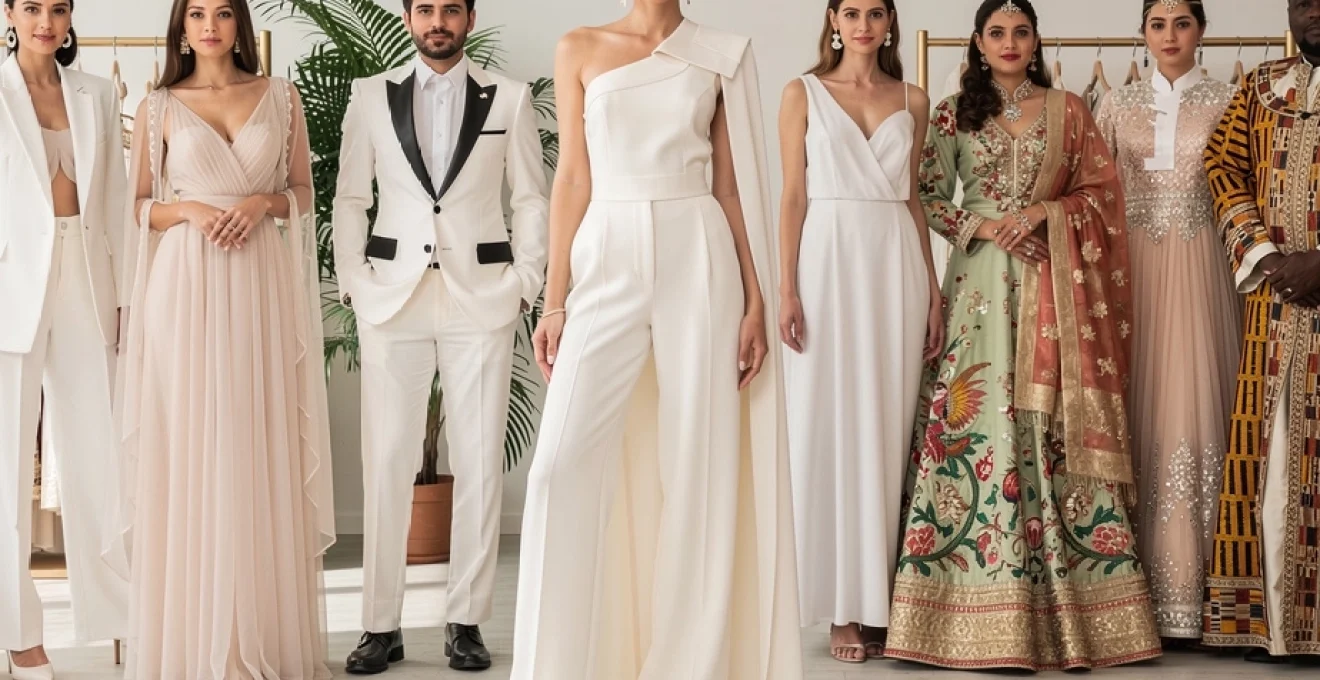
The landscape of bridal fashion has undergone a remarkable transformation in recent years, with couples increasingly rejecting cookie-cutter conventions in favour of personal expression. Where once the path to the altar seemed paved exclusively with ivory silk and cathedral veils, today’s alternative brides are rewriting the rulebook entirely. From sharply tailored suits that command attention to vibrant jumpsuits that celebrate movement and comfort, the options for non-traditional wedding attire have expanded exponentially. This shift represents more than just changing aesthetics; it reflects a broader cultural movement towards authenticity, sustainability, and the celebration of diverse identities. Whether you’re planning an intimate registry office ceremony, a bohemian beach celebration, or a minimalist Scandinavian-inspired affair, the contemporary bridal landscape offers unprecedented freedom to dress in a way that genuinely reflects who you are.
Contemporary jumpsuits and tailored trouser suits as bridal separates
The rise of bridal separates has revolutionised wedding fashion, offering brides the flexibility to create bespoke looks that transition seamlessly from ceremony to reception. Jumpsuits and tailored trouser suits have emerged as particularly compelling alternatives, combining the elegance traditionally associated with bridal wear with the practicality that modern couples increasingly value. These garments provide freedom of movement that floor-length gowns simply cannot match, whilst maintaining a sophisticated silhouette that photographs beautifully. The versatility of separates also addresses a concern many brides share: the desire to wear their wedding outfit again, transforming what was once a single-use garment into a wardrobe investment piece.
Research from the UK wedding industry indicates that approximately 23% of brides now opt for non-dress alternatives, with jumpsuits accounting for nearly half of these choices. This trend has accelerated particularly among couples marrying later in life or those planning second weddings, where traditional bridal conventions may feel less relevant. The contemporary jumpsuit offers an answer to the question many style-conscious brides ask: how can I look undeniably bridal whilst remaining true to my everyday aesthetic?
Stella McCartney and reformation Wide-Leg bridal trouser designs
Stella McCartney’s approach to bridal separates exemplifies how high-fashion sensibilities can translate into wedding-appropriate attire without sacrificing sophistication. Her wide-leg trouser designs, often crafted from luxurious crepe or silk-blend fabrics, feature impeccable tailoring that elongates the silhouette whilst providing comfort throughout a long celebration. The designer’s signature minimalist aesthetic translates beautifully to bridal wear, with clean lines and architectural cuts that make a statement through form rather than embellishment. Paired with a structured blazer or delicate camisole, these trousers create a look that feels simultaneously modern and timeless.
Reformation has similarly embraced the wide-leg trouser as a cornerstone of alternative bridal fashion, though their approach tends towards slightly more relaxed silhouettes with sustainable fabrications. Their pieces often incorporate unexpected details—a satin stripe down the side seam, a high-waisted cut that accentuates the natural waist, or flowing fabric that creates beautiful movement. These designs work particularly well for outdoor weddings or celebrations in warmer climates, where breathability becomes as important as aesthetics. The beauty of wide-leg trousers lies in their adaptability: dress them up with statement jewellery and heels for the ceremony, then transition to flats for dancing without compromising the overall look.
Culotte jumpsuits with overlay capes for registry office ceremonies
For registry office ceremonies and intimate civil celebrations, the culotte jumpsuit with an overlay cape represents a brilliant compromise between drama and practicality. This style offers the flowing, romantic quality that many brides still desire whilst maintaining the clean lines and modern sensibility that alternative bridal fashion champions. The culotte cut—wider than traditional trousers but more structured than palazzo pants—creates a distinctive silhouette that photographs exceptionally well in formal settings. When combined with a detachable cape or overlay, you achieve a transformative garment that provides multiple looks throughout your wedding day.
The genius of this design lies in its versatility and adaptability. During the ceremony, the cape adds drama and movement, catching light
The genius of this design lies in its versatility and adaptability. During the ceremony, the cape adds drama and movement, catching light as you walk and creating those sweeping, cinematic photographs many couples love. Later, you can remove the overlay to reveal a sleek culotte jumpsuit that feels lighter and more relaxed for drinks, dinner, and dancing. This “two looks in one” approach also offers excellent value for money, as you avoid purchasing a second reception outfit. Opt for fabrics with a bit of weight, such as heavy crepe or scuba, so the culottes hold their shape and the cape falls in elegant, controlled folds rather than clinging awkwardly.
Tuxedo-inspired two-piece sets with satin lapel detailing
Tuxedo-inspired two-piece suits have become a mainstay of non-traditional wedding outfits, particularly for brides drawn to androgynous or gender-neutral style. Think sharp, single-breasted jackets with satin lapels, high-waisted tailored trousers, and a crisp silk camisole or nothing but a delicate bralette underneath for evening drama. This type of bridal suit combines the gravitas of black-tie dressing with the freshness of modern tailoring, creating a look that feels red-carpet ready without tipping into costume. For many, it offers the confidence and comfort of their favourite blazer elevated to ceremony-worthy standards.
From a styling perspective, tuxedo-inspired bridal suits are surprisingly flexible. You might pair an ivory tux with metallic sandals and a statement ear cuff for a city registry wedding, or choose soft dove grey with a tonal silk shirt for a minimalist loft celebration. If you are concerned about looking “too corporate”, focus on details that signal bridal intent: a floor-grazing veil, a single oversized boutonnière, or a strand of pearls worn low down the back. The result is an outfit that clearly reads as wedding attire while still feeling like something you would happily wear again to a gala or anniversary dinner.
Asymmetric one-shoulder jumpsuit silhouettes for modern brides
Asymmetric one-shoulder jumpsuits offer a sculptural, fashion-forward twist on bridal dressing, ideal for those who love clean lines with a subtle edge. The strong diagonal created by a one-shoulder neckline draws the eye upwards, framing the collarbones and shoulders in a way that is both flattering and contemporary. When combined with a fitted bodice and fluid wide-leg trousers, this silhouette can feel like a modern reimagining of a Grecian gown, but with the practicality of a jumpsuit. For minimalist brides seeking an alternative wedding outfit, an all-ivory one-shoulder design in matte crepe or satin-backed crêpe can be particularly striking.
When you are considering this style, pay close attention to balance and support. An internal corset or boning will help keep the bodice in place so you are not constantly adjusting it during the ceremony or on the dancefloor. You can soften the strong geometry of the neckline with a long, single drop earring on the exposed side, or lean into the asymmetric theme with a side-swept hairstyle. Because one-shoulder jumpsuits are naturally bold, accessories can stay minimal; a refined pair of shoes and a small clutch are often all you need to complete the look.
Bohemian and festival-inspired wedding ensembles
For couples who see their wedding as more of a relaxed gathering than a formal event, bohemian and festival-inspired ensembles can be the perfect alternative to traditional wedding outfits. Rather than stiff fabrics and rigid silhouettes, these looks embrace ease, texture, and movement. You will see abundant lace, crochet, embroidery, and fringing, often styled with bare feet, flower crowns, or layered jewellery. This aesthetic is especially suited to outdoor venues—think woodland clearings, meadows, barns, or beachside ceremonies—where a sense of natural freedom is part of the experience.
The key to making boho bridal wear feel intentional rather than casual lies in quality and cohesion. Choosing high-quality fabrics like silk chiffon, organic cotton, or hand-loomed lace instantly elevates even the most relaxed silhouette. Echoing a particular motif—such as botanicals, celestial embroidery, or folk florals—across your outfit, bouquet, and décor ties everything together. Ultimately, a festival-inspired wedding ensemble should feel like your most expressive holiday outfit, refined just enough to feel special for the day you say “I do”.
Crochet lace co-ord sets with bell-sleeve crop tops
Crochet lace co-ord sets have become a favourite among bohemian brides who want to show a hint of skin while remaining elegant. Typically composed of a bell-sleeve crop top and a matching high-waisted skirt, these sets create a sliver of midriff that is more playful than provocative. The textural richness of crochet—especially when hand-made or artisan-produced—means that even simple shapes feel visually interesting. In photographs, the openwork patterns capture light beautifully, lending an almost vintage quality to your images.
Because these co-ords are inherently relaxed, styling them thoughtfully helps maintain a sense of occasion. You might pair a cream crochet set with leather sandals and layered gold necklaces for a beach ceremony, or opt for a more structured maxi skirt and heeled ankle boots for a woodland or barn wedding. If you are worried about the practicality of a crop top, look for designs with adjustable ties at the back or a slightly longer hem that just skims the waistband of your skirt when you stand. After the wedding, you can easily re-wear the top with jeans or the skirt with a simple tee, making this one of the most versatile non-traditional wedding outfit ideas.
Flowing kaftan dresses in silk chiffon for beach ceremonies
Few garments feel as suited to a beach wedding as a flowing kaftan dress in silk chiffon. The loose, unstructured cut allows air to circulate, keeping you cool under the sun, while the semi-sheer layers move like water with every step. Rather than clinging to the body, kaftans skim over your frame, offering comfort and ease without sacrificing elegance. In a soft ivory, seashell pink, or pale sand tone, they embody a chic, resort-like aesthetic that is both relaxed and refined.
If you are choosing a kaftan as your alternative wedding dress, consider how it will interact with wind and movement. A slightly heavier silk chiffon or the addition of a discreet slip dress underneath will prevent the fabric from becoming too translucent. Embellishments such as beaded necklines, subtle metallic threads, or tonal embroidery around the hem can add just enough formality for the ceremony. Many brides also incorporate statement jewellery—such as a bold cuff or layered anklets—to personalise the look, ensuring the outfit feels distinctly “bridal” despite its laid-back silhouette.
Embroidered hungarian folk and ibiza-style maxi dresses
Embroidered folk-inspired maxi dresses offer a compelling option for brides who want to celebrate colour and craft on their wedding day. Hungarian and Eastern European motifs, with their intricate floral patterns and bold thread colours, translate beautifully into boho bridal gowns that feel joyful and expressive. Similarly, Ibiza-style dresses—often white cotton or linen adorned with tonal lace, cutwork, or brightly coloured embroidery—capture that sun-soaked, barefoot-on-the-cliffs spirit many couples love. These dresses can be especially meaningful if they nod to your own cultural heritage or a place that has played a pivotal role in your relationship.
To keep heavily embroidered or folk-style dresses from overwhelming your frame, look for well-placed motifs that highlight your shape rather than covering every inch of fabric. Vertical lines of embroidery down the bodice or skirt, for example, can elongate the body, while a more detailed yoke draws attention upwards to the face. Because these designs already carry a lot of visual information, hair and accessories can stay relatively simple: loose waves, a few fresh flowers, and perhaps a pair of earrings that echo the colours in the embroidery. The result is a wedding outfit that feels like a travelling heirloom—something you could imagine being passed down or worn again at meaningful celebrations.
Fringe-detailed suede separates for outdoor woodland weddings
For couples leaning into a rustic, Americana, or 1970s rock-and-roll vibe, fringe-detailed suede separates can be an unexpectedly chic alternative to a traditional wedding dress. Picture a cream suede mini skirt with long fringing, paired with a lace blouse, or a tailored suede jacket worn over a simple slip dress. The movement of the fringing, especially when you walk through woodland paths or take to the dancefloor, creates a sense of drama that photographs brilliantly. This style is particularly well-suited to tipi weddings, festival-style celebrations, or venues with fire pits and live bands.
That said, suede and outdoor weddings do come with practical considerations. It is wise to check the forecast and have a backup layer if heavy rain is likely, as suede can mark easily when wet. Lighter shades of suede may also show dirt more quickly, so some couples choose mid-tones like tan or camel and keep ivory or white to their tops or accessories. If you love the idea of fringing but are hesitant about suede, faux-suede or fringed crochet can deliver a similar effect with easier care. Styled with ankle boots, layered necklaces, and perhaps a wide-brimmed hat, this kind of ensemble embodies a free-spirited, festival bride aesthetic without feeling like fancy dress.
Minimalist scandinavian slip dresses and bias-cut designs
Minimalist Scandinavian-inspired slip dresses and bias-cut designs have become synonymous with understated, modern bridal style. Drawing on the principles of Nordic design—simplicity, functionality, and quiet luxury—these dresses focus on impeccable cut and premium fabric rather than heavy embellishment. A bias-cut slip dress in silk or satin gently follows the contours of the body, creating an almost liquid effect as you move. For brides who prefer a “less is more” approach, this type of non-traditional wedding outfit offers a powerful alternative to ornate ballgowns and princess silhouettes.
In practical terms, these minimalist gowns usually feature clean necklines—cowl, scoop, straight, or subtle V—and fine straps or capped sleeves. Colour palettes tend to stay within a soft, neutral spectrum: ivory, champagne, oyster, or very pale blush. The simplicity of the base dress provides a perfect canvas for personal expression through accessories, whether that is a sculptural ear cuff, a structured blazer for the reception, or a dramatic veil. Many brides appreciate that a well-cut slip dress can be dyed or re-hemmed after the wedding, extending its life as an evening gown or special-occasion piece.
Because bias-cut designs rely on drape and fabric rather than structural corsetry, choosing the right size and underpinnings is crucial. Seamless underwear and, where needed, a lightweight slip can help the fabric glide smoothly rather than catching. If you are concerned that a minimalist slip might feel too simple for the ceremony, consider layering: a sheer organza shirt for the vows, for instance, removed later to reveal a sleek party look. In this way, minimalist Scandinavian bridalwear offers both aesthetic purity and surprising versatility.
Cultural and heritage-inspired non-western wedding attire
As more couples seek to honour their heritage or create fusion ceremonies that blend cultures, non-Western wedding attire has moved firmly into the spotlight. Rather than feeling bound to a white gown, many brides and grooms are embracing traditional garments—sometimes in their classic forms, sometimes reinterpreted with contemporary cuts or fabrics. These outfits often carry deep symbolic meaning, from auspicious colours like red and gold to specific embroidery motifs representing prosperity, fertility, or protection. Incorporating cultural dress can be a powerful way to ground your wedding in family history and shared identity.
Non-Western wedding outfits also expand the visual vocabulary of bridal fashion in exciting ways. Rich textiles such as silk brocade, handwoven cotton, and elaborately beaded cloth offer a tactile counterpoint to minimal Western gowns. For some couples, the solution lies in wearing traditional attire for the ceremony and switching to a more Western-inspired look for the reception—or vice versa. Others choose hybrid designs that borrow silhouettes from one culture and patterns or fabrics from another, creating something entirely their own.
Anarkali suits and lehenga-saree hybrids for fusion ceremonies
In South Asian weddings and fusion ceremonies, Anarkali suits and lehenga-saree hybrids are popular options for brides who want movement and comfort without losing the grandeur associated with traditional bridal wear. An Anarkali suit features a fitted bodice and a dramatically flared skirt attached to a longer tunic, often worn with slim trousers and a dupatta (scarf). This creates an elegant, almost gown-like effect that still allows for ease of dancing and sitting. Lehenga-saree hybrids, meanwhile, combine the draped elegance of a saree with the practicality of a pre-stitched skirt, simplifying the dressing process without compromising visual impact.
These styles are ideal for couples navigating multiple cultural expectations. For example, you might choose an ivory or pastel Anarkali with subtle gold embroidery to echo Western bridal tones while retaining South Asian silhouettes and embellishments. Alternatively, a rich jewel-toned lehenga-saree can provide a striking contrast to a minimalist Western suit worn by your partner. Practical considerations include weight—heavily embroidered garments can become tiring over a long day—so many designers now offer lighter, more breathable fabrics that still deliver opulence. For a second day of celebrations or a reception, a simpler Anarkali in georgette or chiffon can be a more relaxed yet still festive choice.
Hanbok-inspired jeogori and chima contemporary adaptations
Korean hanbok, with its structured jeogori (jacket) and voluminous chima (skirt), offers another beautiful template for non-traditional wedding outfits. Contemporary designers have been reimagining hanbok-inspired ensembles in softer colour palettes, lighter fabrics, and modern proportions. Cropped jeogori with delicate ties, for instance, can be paired with slightly less voluminous skirts in silk organza, creating a silhouette that feels both traditional and fresh. These adaptations often maintain the essential lines and symbolism of hanbok while making them more comfortable and accessible for all-day wear.
For brides incorporating hanbok elements into a fusion ceremony, colour choice can be a thoughtful way to bridge cultures. Pastel hues such as soft pink, mint, or ivory can harmonise with Western floral arrangements and décor, while traditional accents—such as embroidered sleeve bands or norigae pendants—maintain a distinct Korean character. Some couples coordinate complementary hanbok-inspired outfits, creating a visually cohesive look that stands out from more typical wedding photography. As with any cultural garment, working with knowledgeable designers or artisans helps ensure respectful and accurate interpretation.
West african Aso-Oke and kente cloth ceremonial robes
West African wedding attire, particularly garments made from Aso-Oke and kente cloth, is renowned for its bold colours, geometric patterns, and regal silhouettes. Brides may wear intricately woven wrappers, tailored dresses, or robe-like gowns, often accompanied by dramatic gele (headwraps). Kente cloth, traditionally associated with Ghana, carries specific symbolic meanings in its colours and patterns, while Aso-Oke from Nigeria is often woven with metallic threads that catch the light beautifully. These fabrics can be fashioned into both traditional shapes and more contemporary gowns, providing a powerful alternative to Western bridalwear.
For couples planning a fusion or diaspora wedding, incorporating Aso-Oke or kente can be as subtle or as statement-making as you wish. Some brides choose a full ensemble in these textiles for the ceremony, then change into a different look later; others might introduce them through a sash, cape, or custom veil worn over a simpler dress. Coordinated outfits for the couple or the wedding party—such as matching stoles or headpieces—can create a striking visual unity in photographs. Since these fabrics are often structured and substantial, working with an experienced tailor is essential to achieve a comfortable fit that allows for movement and dancing.
Chinese qipao and modernised cheongsam silhouettes
The Chinese qipao, or cheongsam, offers a sophisticated, body-skimming alternative to traditional Western wedding gowns. Characterised by its high collar, side slits, and elegant, column-like silhouette, the qipao can be extraordinarily flattering when tailored well. Historically made in rich reds and golds to symbolise luck and prosperity, contemporary bridal qipao also appear in ivory, blush, and pastel tones, sometimes with delicate floral or phoenix embroidery. This makes them ideal for brides who want to reference Chinese heritage while aligning with a softer colour palette.
Modernised cheongsam silhouettes might feature cap sleeves instead of sleeveless cuts, lower mandarin collars for comfort, or slightly looser fits that allow for easier movement. Some designers experiment with unexpected fabrics, such as matte crepe or even lace overlays, to give the qipao a more international feel. If you are wearing a qipao as your primary wedding outfit, think about how its streamlined shape will photograph; a floor-length version with a modest train can deliver dramatic impact similar to a Western gown. Alternatively, a tea-length cheongsam pairs beautifully with statement shoes and can be ideal for civil ceremonies or as a reception look.
Vintage-inspired tea-length and midi dress alternatives
Vintage-inspired tea-length and midi dresses have become go-to choices for brides who want a timeless yet slightly less formal alternative to a full-length gown. Falling somewhere between the knee and mid-calf, these hemlines evoke the charm of 1950s and early 1960s fashion while remaining practical for city weddings, garden parties, and registry office ceremonies. A fitted bodice and flared skirt combination, for instance, creates a flattering hourglass shape that moves beautifully when you walk or dance. For many, the appeal lies in the ability to show off statement shoes, colourful tights, or even patterned ankle boots.
Design details can push a tea-length dress in different stylistic directions. Lace sleeves, bateau necklines, and satin sashes speak to classic vintage romance, while clean square necklines, pockets, and structural pleating feel more contemporary. Because these dresses use less fabric than full-length gowns, they often come in at a lower price point, making them an attractive option for budget-conscious brides who still want something special. They are also easier to re-wear after the wedding—shortened slightly, dyed, or simply styled differently, they can become party dresses or formal outfits for future events.
If you are considering a midi or tea-length wedding dress, think about proportion and venue. Petite brides may prefer hemlines that hit just below the knee to avoid visually shortening the legs, while taller brides can embrace true mid-calf lengths with ease. For winter weddings, pairing a tea dress with a tailored coat, opaque tights, and heeled boots creates a chic, editorial look; in summer, bare legs and strappy sandals keep things light and breezy. Ultimately, these vintage-inspired alternatives provide a sweet spot between casual and formal, perfect for couples who want a relaxed wedding outfit that still feels undeniably bridal.
Gender-neutral and androgynous wedding fashion solutions
Gender-neutral and androgynous wedding fashion has moved from niche to mainstream in recent years, reflecting a broader cultural shift towards more fluid expressions of identity. Many couples no longer feel bound by the expectation that one partner wears a dress while the other wears a suit; instead, they explore silhouettes that sit comfortably between traditional masculine and feminine codes. This might mean both partners wearing coordinated suits, one opting for a tailored jumpsuit and the other for a deconstructed blazer dress, or each mixing elements typically associated with different genders. The goal is not to erase gender but to give you permission to express it in a way that feels authentic.
Designers responding to this demand focus on sharp tailoring, thoughtful proportion, and versatile separates that can be styled multiple ways. Fabrics like velvet, brocade, linen, and wool suiting feature prominently, often in palettes that move beyond black and ivory into forest green, midnight blue, or soft taupe. For many couples, choosing gender-neutral wedding outfits is also about comfort—feeling physically at ease translates directly into confidence in photographs and throughout the day. Accessories such as brogues, loafers, bolo ties, and layered necklaces further blur the old boundaries between “bridal” and “groom” attire.
Three-piece waistcoat ensembles in velvet and brocade fabrics
Three-piece waistcoat ensembles offer an elegant solution for those who want a tailored look without committing to a traditional suit. A combination of trousers, waistcoat, and optional jacket in velvet or brocade instantly feels celebratory, thanks to the richness of the fabric. Deep jewel tones—emerald, garnet, sapphire—look particularly luxurious, but ivory or champagne velvet can be just as striking for someone who still wants to nod to classic bridal colours. Worn with a silk shirt, turtleneck, or even a simple tank, this ensemble can be styled to lean more traditionally masculine, feminine, or somewhere in between.
For androgynous or non-binary brides and grooms, the waistcoat becomes a key piece, offering structure through the torso while allowing the choice of what (if anything) to wear underneath. You might remove the jacket after the ceremony to reveal more of the waistcoat’s pattern or to create a slightly more relaxed reception look. Because velvet and brocade can read quite formal, consider balancing them with more casual elements if that suits your style—rolled-up shirt sleeves, Chelsea boots, or minimal jewellery. The end result is a wedding outfit that feels dapper, distinctive, and deeply personal.
Oversized blazer dresses with deconstructed tailoring
Oversized blazer dresses sit at the intersection of power dressing and bridal minimalism, making them an excellent choice for city hall weddings and contemporary venues. Essentially a long, slightly exaggerated blazer worn as a dress, this silhouette plays with proportion in a way that feels fresh and editorial. Details such as dropped shoulders, elongated sleeves, or asymmetric hems add to the deconstructed tailoring vibe, while fabrics like heavy crepe or wool-mix suiting ensure the garment holds its shape. In white or cream, an oversized blazer dress reads instantly bridal; in black or a rich colour, it skews more fashion-forward yet still appropriate for a wedding.
One of the biggest advantages of this alternative wedding outfit is its practicality. Blazer dresses typically offer pockets, ease of movement, and the option to layer tights or trousers underneath in colder weather. You can style them with sharp stilettos and a veil for a dramatic contrast, or with loafers and bare legs for a more relaxed courthouse aesthetic. If you are concerned about modesty when sitting or dancing, look for designs with hidden snaps, internal shorts, or a slightly longer back hem. Like many androgynous bridal options, an oversized blazer dress can be re-worn for future events, making it as sustainable as it is stylish.
Matching linen shirt and trouser co-ordinates for couples
For laid-back couples planning beach weddings, elopements, or casual outdoor celebrations, matching linen shirt and trouser co-ords offer a beautifully understated alternative to traditional wedding outfits. Lightweight, breathable, and naturally textured, linen suits warm-weather ceremonies where comfort is paramount. Coordinating sets—perhaps in soft white for one partner and sand or sage for the other—create a subtle visual harmony without feeling overly “matchy”. Rolling up sleeves, going barefoot, or adding woven belts and straw hats can all enhance the relaxed vibe.
Gender-neutral by nature, linen co-ords work across body types and styles, making them an inclusive choice for couples who want to present as a united front. You might both choose the same cut of shirt and trouser, or mix variations—one partner in a boxy short-sleeve shirt, the other in a slightly more tailored long-sleeve version, for example. The beauty of this approach lies in its simplicity: like a well-composed song stripped back to voice and guitar, there is nowhere to hide, so the quality of the fabric and cut really matters. After the wedding, these pieces can slot easily into your everyday wardrobe, carrying the memories of your day into holidays, anniversaries, and summer evenings for years to come.