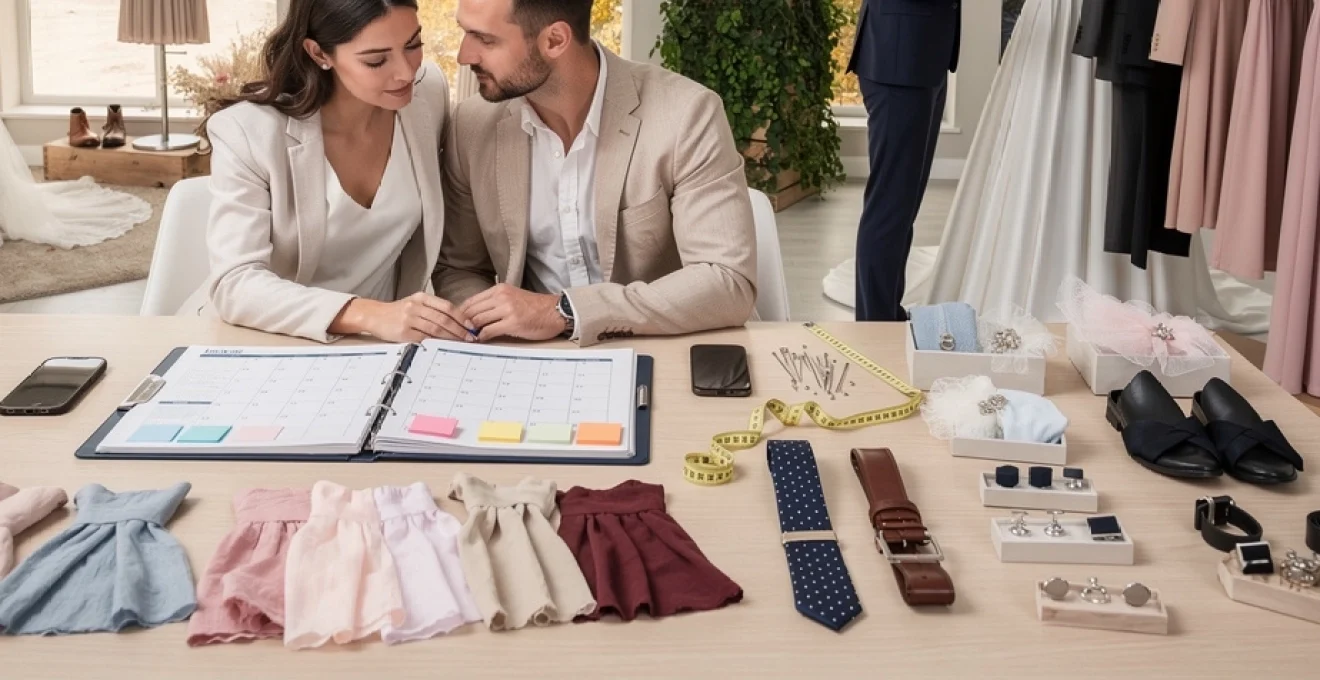
Planning wedding outfits represents one of the most significant and emotionally charged aspects of wedding preparation. The strategic timing of these purchases can transform what might otherwise become a stressful scramble into an enjoyable and memorable experience. Understanding the intricate timeline of designer production schedules, seasonal availability, and venue requirements ensures couples secure their ideal attire whilst managing budgets effectively.
The wedding attire market operates on complex seasonal cycles, with designers releasing collections up to eighteen months in advance and production lead times extending well beyond typical retail expectations. This extended timeline, combined with the necessity for multiple fittings and alterations, creates a planning framework that demands early attention and careful coordination. Modern couples increasingly recognise that wedding outfit procurement extends far beyond simply selecting attractive garments—it encompasses venue compatibility, weather considerations, and the orchestration of an entire wedding party’s appearance.
Professional wedding stylists consistently emphasise that successful outfit planning begins with establishing a comprehensive timeline that accounts for every stakeholder involved. From the bride’s custom gown requiring six months of production time to coordinating groomsmen’s formal wear hire, each element demands specific attention windows to achieve optimal results.
Wedding attire timeline planning: 12-18 month strategic framework
The foundation of successful wedding outfit planning rests upon understanding the extended timelines required for quality garment production and fitting processes. Leading bridal boutiques report that couples who begin their outfit planning twelve to eighteen months before their wedding date experience significantly less stress and achieve superior results compared to those working within compressed timeframes.
This extended planning horizon allows couples to navigate the complexities of designer release schedules, seasonal fabric availability, and the intricate coordination required between multiple suppliers. The wedding industry operates on distinctly different timescales compared to high street retail, with many premium designers working on seasonal collections that may not be available for immediate purchase.
Bridal gown selection timeline: ordering 8-12 months prior
Designer wedding gowns typically require four to six months for production, with premium couture pieces demanding even longer lead times. This production schedule necessitates placing orders eight to twelve months before the wedding date to allow adequate time for manufacturing, delivery, and subsequent alteration appointments. Renowned bridal designers often work with seasonal fabric releases, meaning specific styles may only be available during particular ordering windows throughout the year.
The selection process itself benefits from starting even earlier, as brides frequently require multiple appointments across different boutiques to explore various designers and silhouettes. Sample sizes in bridal boutiques typically range from UK sizes 10-14, requiring brides to envision how different styles will translate to their specific measurements. This visualisation process, combined with the emotional significance of the decision, often extends the selection timeline beyond initial expectations.
Modern bridal boutiques increasingly offer rush ordering services for couples working within compressed timeframes, though these services typically incur additional charges and may limit style availability. Rush orders generally reduce production time to eight to twelve weeks, though this accelerated timeline requires immediate decision-making and leaves minimal buffer time for unexpected complications.
Groom’s formal wear coordination: 6-9 month booking window
Groom’s formal wear planning operates on a distinctly different timeline compared to bridal gown procurement, though coordination between both elements remains crucial for achieving cohesive wedding day aesthetics. Traditional morning dress, contemporary suits, and formal evening wear each present unique availability considerations and fitting requirements that benefit from advance planning.
Formal wear hire companies typically accept bookings up to twelve months in advance, though optimal booking windows fall between six to nine months before the wedding date. This timeline ensures access to preferred styles whilst avoiding the premium pricing often applied to last-minute bookings during peak wedding seasons. Bespoke tailoring services require significantly longer lead times, with master tailors often booking commissioned pieces twelve to eighteen months in advance.
The coordination aspect becomes particularly crucial when considering how the groom’s attire will complement the bride’s chosen style, venue formality, and seasonal appropriateness. This interconnected decision-making process often requires multiple consultations and style adjustments, emphasising the importance of beginning the selection process well in advance of the final ordering deadline.
Wedding party outfit synchronisation: group ordering strategies
Coordinating wedding party outfits
Coordinating wedding party outfits requires a structured approach to avoid sizing issues, delivery delays and mismatched colours. Starting discussions with bridesmaids and groomsmen around the twelve-month mark allows everyone to align on expectations, budgets and levels of formality before any orders are placed. By the nine-month point, couples should aim to have confirmed colour palettes, chosen suppliers and collected accurate measurements for each member of the wedding party.
Group ordering through a single boutique or hire company offers several advantages, including consistent dye lots for fabrics, unified styling advice and potential package discounts. It also simplifies logistics when alterations and last-minute adjustments are required, as all garments are managed through one central provider. Where members of the wedding party are based in different locations, establishing clear measurement deadlines and sharing supplier guidelines helps minimise fit issues and reduces the risk of costly last-minute replacements.
Seasonal fabric considerations for UK weather patterns
Seasonal fabric selection plays a crucial role in ensuring comfort and practicality, particularly within the context of unpredictable UK weather patterns. For spring and summer weddings, lightweight and breathable materials such as chiffon, organza, crepe and silk blends help regulate body temperature and minimise visible perspiration in photographs. In contrast, autumn and winter ceremonies benefit from heavier fabrics like mikado, satin, brocade and velvet, which provide structure, warmth and a more formal appearance.
Beyond temperature, couples must also consider how different fabrics respond to moisture, wind and outdoor terrain. Delicate laces and floaty tulles, while visually romantic, can easily catch on twigs, gravel and uneven ground, making them less suitable for exposed country or coastal venues during stormier months. Just as you would not choose a summer tyre for icy roads, selecting the wrong fabric for your season can quickly undermine both comfort and appearance. Strategically aligning fabric weight, drape and resilience with likely weather conditions significantly enhances the practicality of wedding outfits throughout the day.
Designer trunk show scheduling and sample sale opportunities
Designer trunk shows and sample sales present valuable opportunities for couples seeking premium wedding outfits at more accessible price points, but these events require forward planning. Trunk shows—limited-time events where a boutique showcases a designer’s extended collection—are typically scheduled six to twelve months in advance of peak wedding seasons. Attending a trunk show allows you to try exclusive styles not usually held in store and may include incentives such as complimentary customisations or reduced order fees.
Sample sales, by contrast, involve boutiques selling existing sample gowns and suits off the rail, often at discounts of 30–70% compared to original retail prices. These events are ideal for couples working with shorter timelines or tighter budgets, as garments can usually be taken home the same day and then altered locally. Because popular sizes and best-condition samples sell quickly, it is advisable to register interest with selected boutiques early and join mailing lists so you receive advance notice of upcoming events. Treat trunk shows and sample sales as part of your broader wedding attire strategy rather than ad-hoc opportunities, and you will be better positioned to secure high-quality pieces at the right time.
Budget allocation matrix for wedding wardrobe investment
Effective financial planning for wedding outfits requires a clear budget allocation matrix that considers every garment, accessory and service involved. Industry surveys in the UK suggest that couples typically allocate between 8% and 12% of their total wedding budget to attire, though this proportion can rise for fashion-focused weddings or decrease where outfits are hired. Establishing a realistic top-line figure early on enables you to divide funds strategically between the bride, groom and wider wedding party, rather than making ad-hoc purchases that accumulate unnoticed.
A structured matrix might include separate lines for bridal gown, veil, shoes, jewellery, lingerie, groom’s suit or hire, wedding party ensembles, alterations, beauty preparation and contingency. Viewing these elements side by side helps highlight where you are intentionally investing—such as a couture gown or bespoke tailoring—and where you might prefer to economise, for example by choosing high street accessories or simple bridesmaid styles. This approach also makes it easier to adjust priorities collaboratively as the planning process evolves.
Cost distribution analysis: bridal vs groom’s attire expenditure
Traditionally, expenditure on bridal attire has outweighed groom’s outfit costs, reflecting the complexity and craftsmanship involved in wedding gowns. Recent UK data indicates that brides typically spend between £1,200 and £1,800 on their dress alone, with total bridal look costs often reaching £2,000 once alterations and accessories are included. By comparison, grooms tend to allocate between £300 and £1,000 depending on whether they opt for high-quality hire, made-to-measure or fully bespoke tailoring.
However, modern couples increasingly seek a more balanced distribution of investment, particularly where both partners wish to express their personal style with equal emphasis. Analysing costs side by side encourages transparent discussion about priorities: perhaps one partner invests in a designer gown while the other chooses a versatile suit that can be worn again for future events. Approaching attire budgets as a combined project rather than two separate, unequal categories fosters fairness and helps prevent resentment over perceived imbalance in wedding day presentation.
Hidden expense identification: alterations and accessory costs
While headline garment prices are often the focus of early budgeting, hidden expenses such as alterations and accessories can significantly impact the final cost of wedding outfits. Professional bridal alterations in the UK commonly range from £250 to £500 for standard adjustments, with more extensive restructuring or customisation increasing this figure. Similarly, suit alterations—hemming trousers, tapering jackets or refining waistlines—can add £50 to £200 per outfit, particularly when working with high-end fabrics or complex construction.
Accessories also accumulate quickly: veils, headpieces, cufflinks, pocket squares, belts, suspenders, hosiery and bridal lingerie can collectively rival the cost of an additional garment if not accounted for in advance. To avoid budget creep, couples should assign a realistic percentage of their attire budget—often 15–25%—to accessories and fitting services from the outset. Viewing alterations not as an optional add-on but as an integral part of achieving a polished, made-to-measure appearance helps you plan more accurately and reduces the risk of last-minute financial surprises.
Wedding party budget guidelines: bridesmaid and groomsmen contributions
Determining who pays for bridesmaid dresses and groomsmen outfits is a delicate aspect of wedding wardrobe planning that benefits from early, transparent communication. In the UK, it is increasingly common for couples to contribute partially or fully towards wedding party attire, particularly when requesting specific colours, styles or premium brands. However, in some cases attendants are expected to cover their own garments within pre-agreed budget ranges, especially for more informal or smaller-scale celebrations.
To maintain goodwill and avoid financial strain, couples should set clear budget guidelines before any items are purchased, ideally offering options at different price points. For example, you might fund the core dress or suit while asking attendants to cover shoes and accessories, or negotiate group discounts through a single retailer. Think of the wedding party budget like a shared project: when everyone understands the parameters and timeframes, there is far less room for misunderstandings or last-minute pressures on individual finances.
Premium designer vs high street retailer cost comparison
The decision between investing in premium designer pieces and choosing high street wedding outfits hinges on more than price alone. Designer garments often justify their higher cost through superior fabrics, intricate construction, expert pattern cutting and access to customisations such as neckline changes or bespoke sizing. They also typically come with a more personalised service experience, including dedicated fittings, styling guidance and aftercare support that can be invaluable when navigating complex timelines.
High street retailers, on the other hand, offer immediate availability, trend-led designs and lower entry prices, making them particularly attractive for shorter engagements or couples prioritising budget flexibility. However, off-the-peg garments may require more extensive alterations to achieve a comparable fit, and popular styles can sell out quickly in core sizes. A practical approach is to compare total cost of ownership—garment price plus anticipated alterations and accessories—across both options, rather than focusing solely on the initial ticket price. In many cases, a carefully chosen mid-range designer or higher-end high street option can offer an optimal balance between quality, cost and convenience.
Venue-specific dress code alignment and style coordination
Aligning wedding outfits with the dress code and aesthetics of your chosen venue is essential for creating a cohesive and visually harmonious celebration. Different settings carry implicit expectations about formality, coverage and practicality that should influence fabric choices, silhouettes and accessory decisions. When attire conflicts with the environment—such as a heavily embellished ball gown in a minimalist registry office—both comfort and overall visual impact can suffer.
By assessing your venue’s architectural style, religious or cultural guidelines and practical constraints, you can refine your wedding attire planning timeline and avoid costly last-minute changes. Considering how outfits will appear in key photographic locations—on cathedral steps, on a windswept beach or across a manicured lawn—also helps ensure that garments not only meet formal requirements but enhance the setting.
Cathedral wedding formal requirements: train length and coverage guidelines
Cathedral and large church weddings traditionally demand a higher level of formality, often guided by both religious customs and architectural grandeur. For brides, this may translate into gowns with longer trains, structured silhouettes and increased coverage across shoulders and décolletage, particularly during the ceremony itself. Many couples choose detachable overskirts, capes or boleros to satisfy coverage expectations at the altar before transitioning to a more relaxed reception look later in the day.
Train length also becomes a practical consideration in expansive aisles and stone flooring. Cathedral-length trains and veils create dramatic visual impact but require careful choreography, including assistance from attendants and allowance for bustling systems to secure the train for walking and dancing. Grooms and groomsmen are typically expected to wear morning dress, formal three-piece suits or tuxedos, depending on the time of day and specific church guidelines. Early conversations with clergy or venue coordinators help clarify any formal requirements so these can be integrated into your attire timeline from the outset.
Beach ceremony fabric selection: breathable materials and hem considerations
Beach weddings introduce a different set of attire planning challenges, with sand, salt air and variable breezes all influencing fabric and silhouette choices. Lightweight, breathable materials such as chiffon, tulle, soft crepe and cotton or linen blends are ideal for keeping cool and preventing garments from feeling heavy or restrictive. Structured ball gowns and densely beaded designs can feel cumbersome on uneven sand and may trap heat, making simpler, fluid silhouettes more practical and comfortable.
Hem length and finish require particular attention in coastal settings. Floor-sweeping trains and raw-edge hems can quickly collect sand, moisture and debris, potentially damaging delicate fabrics and complicating cleaning after the event. Many couples opt for slightly raised hemlines or high-low designs that skim above the sand, paired with barefoot sandals or block-heeled footwear for stability. For grooms and groomsmen, lightweight suits in breathable fabrics—sometimes without ties or with open collars—strike a balance between elegance and climate-appropriate ease.
Country house wedding attire: terrain-appropriate footwear choices
Country house and estate weddings often feature expansive lawns, gravel paths and occasionally woodland areas, all of which should inform footwear and fabric decisions. While traditional stilettos may look elegant indoors, they can sink into grass and prove unstable on uneven ground, increasing the risk of trips and discomfort. Block heels, wedges or even chic bridal flats provide far better support while still complementing formal gowns, particularly during outdoor ceremonies or drinks receptions.
For grooms and groomsmen, sturdy leather shoes with appropriate soles are preferable to delicate or patent styles that may scuff easily on gravel or cobblestones. Outfits themselves tend to sit between formal and semi-formal, with classic three-piece suits, lighter tweeds or tailored separates working well with the relaxed grandeur of many country houses. Considering the day’s full itinerary—from garden photographs to indoor dining—ensures your wedding attire remains comfortable and functional across multiple terrains without compromising style.
Registry office smart-casual parameters: professional yet celebratory balance
Registry office weddings typically embrace a smart-casual to semi-formal dress code, offering couples greater flexibility in how they express their personal style. Rather than full-length ball gowns or morning dress, many brides opt for chic midi dresses, jumpsuits or tailored separates, while grooms favour sharp suits that could also be worn for future professional or social occasions. The objective is to strike a balance between everyday wear and full formal attire, reflecting the contemporary, often urban setting of many civil ceremony venues.
Accessories play a key role in elevating simpler silhouettes for registry office ceremonies. Statement shoes, minimalist veils, structured blazers and refined jewellery can transform an understated outfit into a polished wedding look without feeling overdressed for the environment. Because registry office time slots can be tightly scheduled, it is also wise to consider ease of movement and quick transitions between ceremony, photography and onward celebrations when selecting outfits.
Seasonal procurement strategies for optimal availability
Seasonal procurement strategies are central to ensuring you have access to the best selection of wedding outfits without facing avoidable shortages or surcharges. Bridal and formalwear retailers often experience high demand during spring and early summer, coinciding with peak UK wedding season; booking appointments and placing orders well ahead of these periods increases your chances of securing preferred designers and sizes. In contrast, late autumn and winter can offer quieter showroom experiences and, in some cases, promotional pricing as boutiques rotate stock between collections.
Couples should also be aware of broader industry cycles, including when new collections arrive and when sample pieces are retired. Planning your search to coincide with the arrival of new-season designs—often between August and November—allows access to the latest silhouettes and fabrics, while intentionally targeting end-of-season periods can unlock significant savings on sample or discontinued styles. Much like booking flights, flexibility and awareness of peak vs off-peak patterns can dramatically influence both cost and choice in wedding attire planning.
Professional fitting schedule management and alteration coordination
Once garments have been ordered or purchased, managing a professional fitting schedule becomes the next critical phase in your wedding outfit timeline. Most bridal boutiques recommend scheduling the first fitting approximately eight to twelve weeks before the wedding, with subsequent appointments spaced two to four weeks apart depending on the complexity of required adjustments. For suits, initial fittings can often begin slightly closer to the date—around six to eight weeks prior—though bespoke tailoring may involve additional early-stage consultations.
Effective alteration coordination relies on clear communication between you, your seamstress or tailor and, where relevant, your boutique or hire company. Bringing the exact shoes and undergarments you intend to wear on the day to every fitting ensures consistent measurements and reduces the risk of last-minute discrepancies. Consider keeping a simple schedule—either digital or on paper—that details each fitting date, what will be assessed and which garments or accessories need to be present. Treat these appointments as non-negotiable components of your wider wedding planning timeline, much like final venue walkthroughs or catering tastings.
Emergency contingency planning: backup options and last-minute solutions
Even the most meticulously planned wedding attire timeline can encounter unexpected challenges, from delayed deliveries to last-minute size changes or garment damage. Building an emergency contingency plan into your strategy provides peace of mind and ensures that unforeseen issues do not overshadow your day. For bridalwear, this might involve identifying local boutiques with ready-to-wear or sample gowns available for same-day or rapid purchase, as well as keeping a shortlist of trusted seamstresses who can handle urgent alterations within compressed timeframes.
For grooms and wedding parties, contingency planning may include confirming local hire options that can accommodate last-minute bookings, particularly for standard sizes and classic styles such as navy or charcoal suits. Maintaining a small kit of essentials—such as spare shirt buttons, tape for minor hem issues, stain-removal wipes and a handheld steamer—can resolve many minor crises on the morning of the wedding. Think of your backup plan as an insurance policy: you hope never to use it, but having it in place allows you and your wedding party to focus on the celebration rather than the logistics of your outfits.