# Why Modern Couples Are Redefining What a Wedding Means
The institution of marriage remains as popular as ever, yet the way couples choose to celebrate their union has undergone a profound transformation. Modern matrimonial celebrations bear little resemblance to the formulaic ceremonies of previous generations. Today’s couples are dismantling outdated conventions and constructing wedding experiences that authentically reflect their values, identities, and contemporary worldviews. This shift represents more than aesthetic preference—it signals a fundamental reimagining of what marriage means in the twenty-first century. From micro-weddings in remote wilderness locations to ceremonies that acknowledge non-traditional relationship structures, the wedding landscape has become a canvas for personal expression, ethical consumption, and cultural innovation. As you consider your own matrimonial plans, understanding these emerging patterns can help you navigate the space between tradition and authenticity.
Micro-weddings and intimate ceremonies: the shift from traditional guest lists
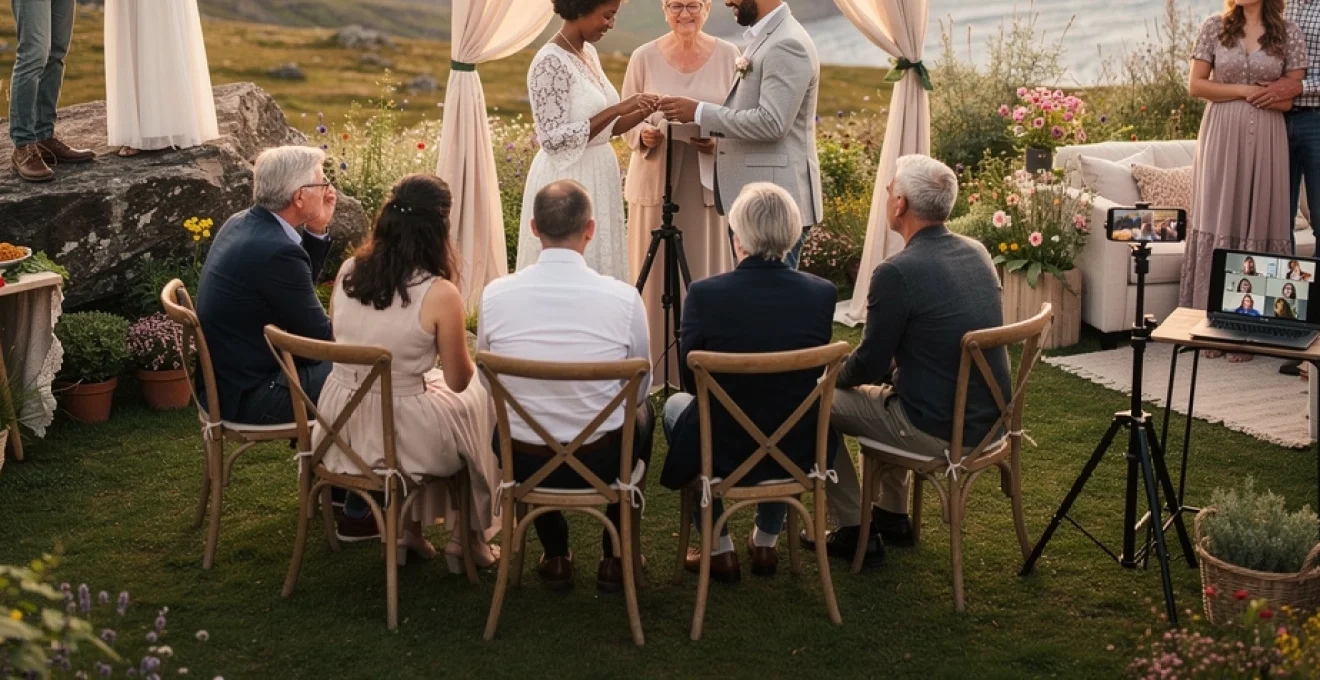
The grand wedding with hundreds of attendees has given way to carefully curated celebrations where quality trumps quantity. Micro-weddings—typically defined as ceremonies with fewer than fifty guests—have emerged as the preferred format for couples seeking meaningful connection over social spectacle. This trend reflects a broader cultural shift towards intentionality in life choices, where every element of the celebration serves a purpose beyond mere tradition.
Post-pandemic celebrations: how COVID-19 accelerated the intimate wedding movement
The global pandemic fundamentally altered wedding planning, forcing couples to reconsider the necessity of large gatherings. What began as a constraint evolved into a preference. Many couples discovered that smaller celebrations created space for genuine interaction and emotional presence that larger events couldn’t accommodate. The intimacy of gatherings where you can have substantial conversations with every attendee has proven more satisfying than brief greetings with distant acquaintances. Post-pandemic data shows that even as restrictions lifted, approximately 40% of couples continued choosing micro-weddings voluntarily, suggesting this shift represents a permanent recalibration of priorities rather than temporary adaptation.
Budget reallocation: investing in experience over guest count
Reducing guest lists creates financial flexibility that modern couples redirect towards experiential elements. Rather than allocating budgets to feed and entertain hundreds, couples invest in exceptional photography, sustainable catering with locally sourced ingredients, or extended honeymoon experiences. This reallocation reflects millennial and Gen-Z values that prioritize experiences over possessions and quality over quantity. A wedding with thirty guests can feature a Michelin-starred chef, live musicians performing throughout the evening, or accommodation for all attendees at a boutique venue—luxuries impossible when catering to traditional guest counts. The economic logic is compelling: the same budget that produces a standard reception for two hundred creates an extraordinary experience for fifty.
Venue versatility: from airbnb estates to private gardens
Micro-weddings liberate couples from traditional venue constraints. When you’re hosting thirty people rather than three hundred, the entire landscape becomes available. Private Airbnb estates with architectural distinction, family gardens with personal significance, and remote natural locations all become viable options. This versatility allows couples to select settings that resonate with their identities rather than conforming to venues designed for mass events. The logistical simplicity of smaller weddings also permits multi-day celebrations, where the wedding weekend becomes an immersive experience rather than a single evening event. Venues once considered impractical—mountain cabins, historic libraries, art galleries—now host weddings that blur the boundary between ceremony and curated experience.
Emotional authenticity: curating meaningful guest lists for deeper connections
Perhaps the most significant advantage of micro-weddings lies in the emotional authenticity they foster. When you invite only those with whom you share genuine connection, the celebration becomes a gathering of your chosen family rather than a social obligation. This curation process—while sometimes difficult—ensures that every person present has played a meaningful role in your relationship. The result is a ceremony charged with collective emotion, where witnesses aren’t passive observers but active participants in your commitment. Couples report feeling more present during intimate ceremonies, able to make eye contact with loved ones and absorb the significance of the moment rather than performing for a crowd. This emotional depth represents what many consider the true purpose of
the wedding: to honour the relationship, clarify shared values, and be witnessed by the people who truly matter. In that sense, intimate weddings are less about doing “less” and more about doing what is most meaningful.
Personalisation beyond tradition: bespoke wedding narratives and custom ceremonies
As guest lists shrink and expectations loosen, the wedding ceremony itself is undergoing a quiet revolution. Instead of simply following a script handed down by religion or registry office, couples are commissioning ceremonies that read like a carefully crafted biography of their relationship. Traditions are not discarded wholesale, but edited, reframed, and rewritten so that every element—from the processional music to the final blessing—aligns with who the couple are now, not who society once expected them to be. Weddings have become narrative experiences, telling a story rather than reciting a formula.
Secular celebrants and humanist weddings: alternative officiation models
One of the clearest signs of this shift is the rise of secular celebrants and humanist weddings. In countries such as the UK, Australia, and parts of Europe, humanist celebrants now conduct a significant proportion of ceremonies, offering couples a non-religious yet deeply meaningful alternative. These officiants specialise in crafting bespoke scripts that centre shared values, personal history, and future intentions, rather than religious doctrine. The result is a ceremony that feels less like a legal requirement and more like a carefully held moment of transition.
For many couples, particularly those from mixed-faith or non-religious backgrounds, this approach resolves long-standing tensions between family expectations and personal belief. A skilled celebrant can weave in symbolic gestures, readings, or moments of silence that resonate with both sides of the family without privileging one belief system over another. You might still hear echoes of traditional wedding blessings, but they’re reworded in inclusive, gender-neutral language and framed around mutual respect and partnership. In this way, alternative officiation models provide structure without imposing dogma.
Cultural fusion ceremonies: blending heritage in multi-faith and intercultural unions
With intercultural and multi-faith marriages on the rise globally, many modern wedding ceremonies have become beautiful exercises in cultural translation. Instead of choosing one tradition over another, couples are creating fusion ceremonies that honour both lineages. A Sikh–Catholic couple, for example, might host a civil ceremony infused with elements from the Anand Karaj and a traditional church blessing—followed by a reception featuring both bhangra and classic ballads. The key is intentional curation rather than token gestures.
Cultural fusion ceremonies often focus on identifying the underlying value behind a ritual—community blessing, family unity, or prosperity—and then finding parallel practices from each culture. You might see a Chinese tea ceremony adapted for a mixed-heritage couple, with both families participating, or a Jewish ketubah rewritten to reflect egalitarian promises in a same-sex union. Instead of feeling like a patchwork of random customs, these weddings use a strong narrative thread to explain each element to guests, turning the ceremony into an inclusive, living lesson in shared heritage.
DIY vow writing and ceremony scripts: authentic storytelling over formulaic rituals
Perhaps the most personal shift is the widespread move towards DIY vows and custom-written ceremony scripts. Couples are no longer satisfied with repeating the same words spoken by their parents and grandparents if those words don’t align with their understanding of marriage. Instead, they craft promises that feel specific, lived-in, and sometimes wryly humorous: commitments to share childcare responsibilities, to go to therapy when needed, or to keep making each other tea on bad days. These vows function as both emotional declarations and practical statements of how the relationship will work.
Writing your own vows can be daunting—where do you even begin? Many celebrants now guide couples through structured exercises, asking them to reflect on key moments in their relationship, challenges overcome, and the future they’re building. Think of it like drafting a mission statement for your partnership rather than a piece of performance poetry. Ceremony scripts often incorporate anecdotes from friends and family, or call-and-response moments where guests pledge support. This turns the ceremony into a collaborative act of storytelling, more like a documentary than a staged play.
Thematic wedding design: from cottagecore aesthetics to minimalist scandinavian concepts
Personalisation doesn’t stop at the script. The visual and experiential design of modern weddings increasingly mirrors the couple’s aesthetic identity. Some embrace whimsical cottagecore weddings filled with wildflowers, homemade bakes, and vintage crockery, echoing a desire for slower living and closeness to nature. Others lean into minimalist Scandinavian concepts: clean lines, neutral palettes, and functional decor that can be repurposed or taken home by guests. The chosen aesthetic becomes another storytelling tool, reinforcing the values expressed in the ceremony.
These themes go beyond Pinterest boards; they influence everything from dress codes to music selection. A literary-minded couple might host their ceremony in a bookshop and name tables after favourite novels, while design-focused partners curate a gallery-style reception where each table centrepiece represents a chapter of their relationship. Rather than chasing trends, many modern couples ask a simple question: Will this still feel like us in ten years’ time? When the answer is yes, the design becomes timeless, not just fashionable.
Destination elopements and adventure weddings: location as central experience
For some couples, redefining what a wedding means involves rethinking where it happens altogether. Instead of conventional hotels or banquet halls, they choose locations that double as characters in their love story: a mountain they hiked together, a city where they first met, or a landscape that reflects their shared love of wilderness. Destination elopements and adventure weddings shift focus away from elaborate logistics and towards the pure experience of committing to one another in a place that feels significant, even sacred.
Iceland’s glaciers and scotland’s highlands: dramatic natural backdrops replacing traditional venues
Few things communicate the scale of a commitment like standing on a windswept cliff or beside a blue-white glacier. That’s why locations such as Iceland’s glaciers, Scotland’s Highlands, Norway’s fjords, and New Zealand’s alpine lakes have become magnets for couples seeking cinematic backdrops. In these settings, the environment becomes part of the ritual: wind lifting the veil, distant thunder echoing vows, or mist rolling in as rings are exchanged. The ceremony feels less like a staged event and more like a moment embedded within the landscape.
Adventure weddings typically involve small groups—sometimes just the couple, officiant, and photographer—which allows for flexible timing and spontaneous choices. You might start at dawn for soft, golden light, or hike to a secluded lookout point before reading your vows. Instead of spending hours inside a function room, the day unfolds as a shared journey, with the “venue” constantly changing as you move. In practical terms, this can also simplify planning: fewer centrepieces, more hiking boots and weatherproof jackets.
Legal considerations: international marriage licences and destination wedding documentation
Of course, when you take your wedding abroad, romance has to meet bureaucracy. International marriage licences, residency requirements, and documentation rules vary widely between countries—and even between regions within countries. Some destinations require you to be in-country for several days before the ceremony, while others demand translated documents, apostille stamps, or local witnesses. It’s the administrative equivalent of navigating a foreign hiking trail: doable, but best tackled with a clear map.
Many couples resolve this by separating the legal and symbolic aspects of the wedding. They might complete a simple civil ceremony at home—sometimes in jeans at a local registry office—then treat the destination elopement as the “real” emotional wedding. Others work with specialist planners or local celebrants who understand the paperwork and can coordinate with embassies or consulates. If you’re considering this route, it’s wise to start research early and build a checklist of legal requirements, so the only surprise on the day is how beautiful the view is, not whether your documents are valid.
Elopement photography: content creation and social media documentation as wedding priority
With guest numbers reduced or eliminated entirely, photography and videography take on heightened importance. For many couples, the visual record of the day is how they “bring” friends and family into the experience afterwards. As a result, elopement photographers have evolved into part documentarian, part guide, and part creative director. They may help choose locations, plan timelines around optimal light, and even suggest meaningful rituals to incorporate into the shoot.
Social media also shapes how these weddings are curated and shared. Couples often plan specific moments for content creation—private vow readings at sunrise, a champagne pop against a dramatic skyline, or a slow-motion cliff-side embrace—knowing that these images will become the narrative they share online. Yet the most powerful photos tend to capture unscripted emotion: wet hair in the rain, a shared laugh when the wind steals a veil, muddy boots after a long hike. When approached intentionally, documentation becomes less about performance for an audience and more about creating an archive of memories you’ll return to again and again.
Sustainable and ethical wedding planning: conscious consumerism in matrimonial events
As climate anxiety and ethical concerns move from the margins to the mainstream, it’s no surprise that modern couples are questioning the environmental and social impact of their weddings. A traditional celebration can generate significant waste—from single-use decor to carbon-heavy travel—prompting many to ask: Is there a more responsible way to celebrate? In response, sustainable and ethical wedding planning has emerged as a key pillar of contemporary matrimonial culture, reframing the wedding not just as a personal milestone, but as a reflection of how we relate to the wider world.
Zero-waste wedding design: compostable decor and circular economy principles
Zero-waste weddings aim to minimise landfill contributions by designing every element with reuse, recycling, or composting in mind. Instead of plastic confetti, couples choose dried petals or biodegradable alternatives. Table decor is built from potted plants that guests can take home, rented candleholders, or thrifted glassware rather than single-use items. Signage is printed on recyclable materials or written on chalkboards that can be repurposed. The guiding principle is circularity: nothing is purchased for just a few hours of aesthetic impact.
While a purely zero-waste wedding may be difficult to achieve, adopting even a handful of these strategies can dramatically reduce environmental impact. Some couples partner with local charities to donate leftover food, flowers, or decor, extending the lifecycle of their purchases. Others work with venues that offer in-house composting and recycling systems, or choose caterers who avoid single-use plastics. Think of it as designing your wedding like a sustainable home: every object earns its place by serving a function beyond visual appeal.
Ethical gemstones and lab-grown diamonds: conflict-free engagement ring market growth
The engagement ring market provides another clear example of value-driven decision-making. Concerns about conflict diamonds, unsafe mining practices, and ecological damage have fuelled interest in ethical gemstones and lab-grown diamonds. According to industry reports, sales of lab-grown stones have grown rapidly over the past decade, appealing to couples who want the brilliance of a diamond without the ethical baggage. These stones are chemically identical to mined diamonds, but produced in controlled environments with traceable supply chains.
Beyond lab-grown options, there is also renewed focus on recycled metals and vintage or heirloom pieces. Many jewellers now offer transparency about sourcing, allowing you to choose rings crafted from Fairmined gold or stones sourced from verified conflict-free mines. For some couples, the ring becomes a quiet statement about their relationship to global systems of labour and environment. Instead of asking only “Does it sparkle?”, they also ask “What story does this carry?”—a subtle but powerful reframing.
Plant-based catering and local sourcing: carbon footprint reduction in wedding menus
Catering is often one of the largest contributors to a wedding’s carbon footprint, particularly when menus rely heavily on imported ingredients and meat-heavy dishes. In response, plant-based and locally sourced menus have moved from niche to mainstream. Even couples who are not fully vegetarian increasingly choose plant-forward meals for their wedding, both for environmental reasons and to accommodate diverse dietary needs. Seasonal produce, regional specialties, and farm-to-table dining experiences replace generic banquet fare.
Local sourcing also reduces emissions associated with transport and supports nearby farmers and producers. Imagine a vineyard wedding where the wine, bread, cheeses, and vegetables all come from within a 50-kilometre radius; the meal becomes a celebration of place as well as partnership. To make this work in practice, couples collaborate closely with caterers to design menus that are both sustainable and satisfying. It’s a bit like composing a playlist: when each element is chosen with intention, the whole experience feels richer and more coherent.
Rental fashion and pre-loved bridal wear: the rise of stillwhite and borrowing magnolia
The fashion side of weddings is also getting an ethical overhaul. Rather than buying a dress or suit that will be worn once and then stored indefinitely, many couples now explore rental fashion and pre-loved bridal wear. Platforms such as Stillwhite and Borrowing Magnolia allow brides to purchase gently used gowns at a fraction of their original cost—and often resell them afterwards, extending each garment’s life. Grooms and wedding parties increasingly rent high-quality suits and accessories, reducing waste and cost simultaneously.
This shift challenges the old idea that a wedding outfit must be new to be special. Instead, the story of a garment—where it’s been, who has worn it before—adds an extra layer of meaning. Accessories follow a similar path: vintage jewellery, borrowed veils, and repurposed family pieces help weave generational continuity into a modern aesthetic. In sustainability terms, it’s the fashion equivalent of a circular economy; emotionally, it’s a reminder that love, like clothing, can be renewed rather than constantly replaced.
Technology integration in modern matrimony: digital-first wedding experiences
Technology now underpins almost every stage of the wedding journey, from proposal planning to first-anniversary slideshows. While digital tools once felt like add-ons—used mainly for emailing invitations or sharing photos—today they often shape the structure of the celebration itself. For couples with global families, tech can mean the difference between loved ones being excluded and actively involved. When used thoughtfully, digital integration doesn’t cheapen the emotional weight of a wedding; it amplifies access, organisation, and storytelling.
Hybrid ceremonies and livestreaming platforms: zoom weddings and virtual guest participation
The pandemic normalised livestreamed ceremonies, and hybrid weddings have remained popular even as travel restrictions eased. Platforms like Zoom, Vimeo, and bespoke streaming services allow guests to watch from other countries, interact via chat, and even deliver readings or toasts remotely. For families spread across continents—or for older relatives unable to travel—this can transform a potentially painful absence into meaningful participation. A laptop on a tripod can now be as important as a floral arch.
To make virtual participation feel intentional rather than an afterthought, couples often create small rituals for online guests: a shared toast over video, an invitation to light candles at home during the vows, or a group screenshot in place of a traditional confetti photo. Some venues now include livestream infrastructure in their packages, recognising that digital attendance is part of the new normal. The line between “in the room” and “in the ceremony” has blurred, expanding what community can look like on a wedding day.
Wedding websites and digital RSVPs: paperless communication through joy, zola, and withjoy
Wedding websites have evolved from simple information hubs into interactive planning tools. Platforms such as Joy, Zola, and WithJoy offer integrated guest lists, digital RSVPs, travel information, and even group messaging. For couples, this centralises communication and reduces the risk of lost invitations or miscounted responses. For guests, it provides a single source of truth—especially helpful when plans change or when navigating multi-day itineraries.
Going digital also dramatically reduces paper use, a welcome side effect for sustainability-minded couples. While some still opt for printed keepsake invitations, many now combine a minimal physical invite with a comprehensive online portal. You can upload your story, share engagement photos, field song requests, and even collect dietary preferences, all without a single stamped envelope. It’s the wedding equivalent of trading a filing cabinet for a cloud drive: tidier, more flexible, and easier to update.
Social media strategy: instagram-worthy moments and hashtag campaign planning
In an age where major life events are documented in real time, it’s no surprise that social media plays a role in wedding planning. Some couples embrace this fully, crafting specific “Instagram-worthy” moments—flower walls, neon signs, or dramatic first-look locations—while others keep phones to a minimum during the ceremony but encourage sharing at the reception. Either way, most now think at least briefly about their online presence: Will we use a wedding hashtag? Do we want a “first look” reveal on TikTok, or would we rather keep it private?
Handled with intention, a social media strategy can help you control your narrative rather than being controlled by it. You might designate a trusted friend as unofficial content curator, ask guests to wait until the next day to post, or create a shared album where everyone can upload photos. The goal isn’t to turn your wedding into a marketing campaign, but to recognise that for many of us, digital spaces are where memories live. By deciding in advance how you want your day to appear online, you avoid the digital equivalent of unflattering candids dominating the story.
Non-traditional relationship structures: legal recognition and ceremonial inclusion
Perhaps the most profound way modern couples are redefining weddings lies in who is getting married—and how they conceptualise partnership itself. Legal and cultural shifts over the past decade have expanded recognition of diverse relationship structures, from same-sex marriages to chosen families and non-romantic partnerships. As a result, weddings are no longer reserved solely for heterosexual, monogamous couples following a single script. Instead, ceremonies are emerging as flexible frameworks that can honour a wide array of commitments, even when the law has yet to catch up.
LGBTQ+ weddings: marriage equality impact on ceremony design since obergefell v. hodges
Since the landmark Obergefell v. Hodges decision in 2015 legalised same-sex marriage across the United States—and similar legislation passed in numerous other countries—LGBTQ+ couples have played a leading role in reimagining what a wedding can be. Without a long-standing script to follow, many felt free to design ceremonies from the ground up, discarding gendered traditions that never fit and replacing them with rituals rooted in equality and authenticity. Two grooms might walk down the aisle together; two brides might both be “given away” by their entire families, or by no one at all.
Language has been a particular focus. Phrases like “husband and wife” have given way to “spouses,” “partners,” or simply the couple’s names. Roles such as “bridal party” or “groomsmen” are often replaced with inclusive terms like “wedding party” or “honour attendants.” These changes may seem small, but they reflect a deeper reorientation towards mutuality rather than hierarchy. In this way, LGBTQ+ weddings have acted as cultural laboratories, testing new forms of ceremony design that many heterosexual couples are now adopting as well.
Polyamorous commitment ceremonies: multi-partner celebrations outside legal frameworks
While legal marriage in most jurisdictions remains restricted to two people, some polyamorous constellations are creating their own commitment ceremonies to honour multi-partner relationships. These events typically don’t carry legal status, but they hold significant emotional and social weight within the communities that recognise them. A triad or larger polycule might gather friends and family to witness the exchange of vows, rings, or shared symbols, formalising agreements about cohabitation, child-rearing, or financial support.
Designing such ceremonies requires thoughtful navigation of social norms and expectations. How do you stage a processional for three or more partners? How do you structure vows so each person feels equally seen? Many polyamorous ceremonies emphasise transparency, consent, and ongoing negotiation as core values, often including collective statements about communication and autonomy. While still relatively rare and sometimes controversial, these celebrations highlight a key theme of modern wedding culture: the desire for rituals that accurately reflect lived realities, even when they don’t fit traditional templates.
Platonic life partnerships: aromantic and asexual community wedding models
Not all profound partnerships are romantic or sexual. Within aromantic and asexual communities—and beyond—there is growing recognition of platonic life partnerships: deep, enduring bonds between friends or co-parents who choose to build a household together. Some of these pairs are now adopting wedding-like ceremonies to formalise their commitment, invite communal support, and secure practical benefits such as cohabitation agreements or shared guardianship plans. The event may look familiar—vows, rings, a celebratory meal—but the underlying narrative reframes what kind of relationship is “worthy” of ceremony.
These models challenge the assumption that romantic love should always sit at the apex of our relationship hierarchies. A platonic wedding might centre themes of long-term collaboration, chosen family, and mutual care through different life stages. Guests are invited to see friendship not as a secondary bond, but as a primary architecture for a meaningful life. In doing so, such ceremonies expand the definition of marriage-like commitment, reminding us that at its core, a wedding is about creating a shared identity and inviting others to honour it—regardless of how that bond is structured.