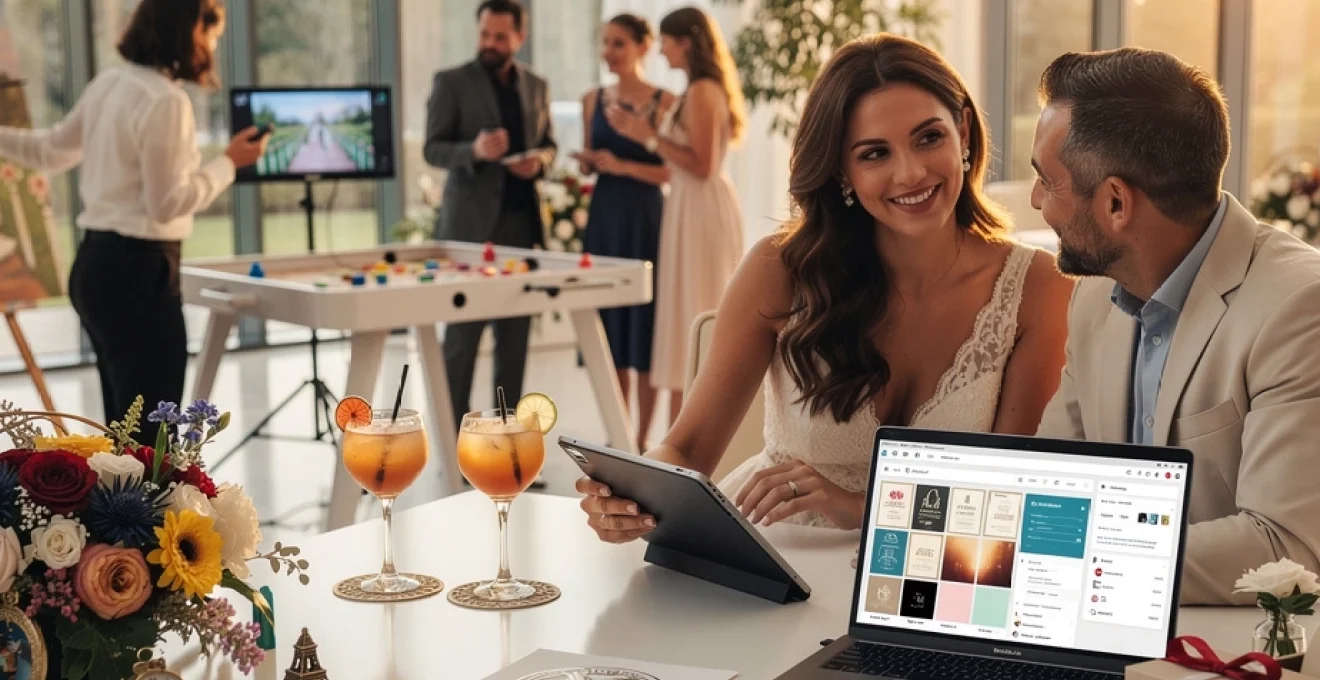
The wedding industry has undergone a dramatic transformation in recent years, shifting from standardised ceremonies to deeply personal celebrations that reflect each couple’s unique story. Modern couples are rejecting cookie-cutter approaches in favour of bespoke experiences that showcase their individual personalities, values, and shared histories. This movement towards personalisation has become the defining characteristic of contemporary weddings, fundamentally changing how couples plan, execute, and remember their special day.
Wedding personalisation extends far beyond simple customisation—it represents a cultural shift towards authenticity and meaningful experiences. Today’s couples invest significant time and resources in creating celebrations that feel genuinely representative of their relationship, incorporating elements that would be impossible to replicate at another wedding. This trend has spawned entire industries dedicated to crafting unique wedding elements, from custom stationery to personalised entertainment experiences.
The rise of social media has amplified this desire for distinctiveness, as couples seek to create Instagram-worthy moments that stand out in an increasingly saturated digital landscape. However, the motivation runs deeper than social validation—personalised weddings create more meaningful memories and stronger emotional connections for both couples and their guests.
Bespoke wedding experiences: from mass market to Micro-Personalisation
The evolution from mass-market wedding packages to micro-personalised experiences represents one of the most significant shifts in the wedding industry. Traditional wedding vendors once offered limited customisation options, focusing on efficiency and standardisation to serve large volumes of couples. Today’s wedding market has completely reversed this approach, with successful vendors building their businesses around unique, tailored offerings that cannot be replicated elsewhere.
Micro-personalisation involves incorporating intimate details that reflect a couple’s shared experiences, inside jokes, cultural backgrounds, and future aspirations. This might manifest as custom cocktail napkins featuring the exact location coordinates where the couple first met, or wedding favours created from materials sourced from their favourite travel destinations. The level of detail has become incredibly sophisticated, with couples investing substantial resources to ensure every element tells part of their story.
Bespoke wedding experiences now encompass entire weekend celebrations rather than single-day events. Couples are designing multi-day experiences that allow guests to fully immerse themselves in the couple’s world, including welcome parties that showcase their cultural heritage, morning-after brunches featuring their favourite local restaurants, and curated activities that reflect their shared hobbies and interests.
The economic impact of this trend has been substantial, with personalised wedding services commanding premium pricing compared to standard offerings. Couples willingly pay significant premiums for unique experiences, driving innovation throughout the wedding supply chain. Vendors who successfully embrace personalisation report higher profit margins and increased customer satisfaction, while those clinging to standardised approaches struggle to compete.
The most successful wedding vendors today are those who view themselves as storytellers rather than service providers, crafting narratives that resonate emotionally with couples and their guests.
Digital wedding planning platforms driving personalisation technology
Technology has become the backbone of wedding personalisation, with sophisticated digital platforms enabling couples to create highly customised celebrations that would have been impossible to coordinate manually. These platforms leverage artificial intelligence, machine learning, and data analytics to deliver personalised recommendations and streamline the complex process of coordinating multiple vendors and custom elements.
The integration of technology in wedding planning has democratised access to personalisation services, allowing couples with varying budgets to incorporate custom elements into their celebrations. Digital tools now enable real-time collaboration between couples, vendors, and guests, creating more cohesive and personalised experiences throughout the planning process.
Zola and the knot’s AI-Powered customisation algorithms
Leading wedding planning platforms have invested heavily in artificial intelligence systems that analyse couples’ preferences, browsing behaviour, and social media activity to generate highly targeted recommendations. These AI-powered algorithms can predict vendor preferences, suggest colour palettes, and recommend personalisation options based on subtle indicators of couples’ tastes and values.
The sophistication of these recommendation engines continues to improve, with platforms now incorporating data from completed weddings to refine their suggestions. Machine learning models analyse successful personalisation strategies from similar couples, identifying patterns that lead to higher satisfaction rates and more memorable experiences.
Weddingwire’s machine learning vendor matching systems
Advanced vendor matching systems
Advanced vendor matching systems like those used by WeddingWire analyse thousands of data points from both couples and suppliers to recommend the best possible fit. Instead of manually scrolling through endless listings, couples receive a curated shortlist of venues, photographers, florists, and entertainers whose style, budget range, and availability align with their needs. This data-driven approach minimises trial-and-error and helps ensure that every personalised wedding element is supported by the right professional team.
These machine learning tools consider factors such as review patterns, communication style, response times, and even the types of weddings vendors typically work on. For example, if you are planning an intimate, eco-conscious micro-wedding, the system prioritises vendors with proven experience in sustainable, small-scale celebrations rather than large hotel banquets. Over time, feedback loops from reviews and booking outcomes further refine the algorithm, making personalised wedding planning more accurate with each season.
Pinterest wedding vision board analytics and trend prediction
Pinterest has become the de facto research engine for modern wedding planning, and its analytics capabilities now play a crucial role in wedding personalisation. When couples create wedding vision boards, the platform’s algorithms analyse saved pins, colour schemes, decor styles, and fashion choices to surface tailored inspiration. Instead of generic ideas, couples receive recommendations that align with their evolving tastes, helping them refine a distinctive wedding aesthetic.
On a broader scale, Pinterest’s trend prediction tools aggregate millions of saves and searches to identify emerging wedding trends before they hit the mainstream. Planners and vendors use these insights to develop personalised offerings, from hyper-specific colour palettes to niche themes such as “garden disco” or “heritage-modern fusion.” For couples, this means they can blend on-trend elements with their own story-driven details, resulting in weddings that feel both current and deeply personal rather than copy-pasted from a single viral post.
Joy and bridebook’s guest experience personalisation features
Platforms like Joy and Bridebook have moved beyond logistics to focus on hyper-personalised guest experiences. Their tools allow couples to segment guests by relationship type, travel requirements, dietary preferences, and accessibility needs, then tailor communications and experiences accordingly. Imagine being able to send one kind of welcome message to university friends, another to grandparents, and a third to colleagues—each reflecting the relationship and setting expectations for the day.
These platforms also support personalised wedding itineraries, digital RSVP forms with intelligent follow-ups, and guest-facing apps that display custom schedules and recommendations. For destination weddings, couples can share bespoke city guides, hotel suggestions, and activity ideas tailored to different guest groups. This level of personalisation helps every attendee feel considered and valued, turning what could be a generic event into a curated, guest-centric experience that people talk about long after the last dance.
Custom wedding design elements transforming traditional ceremonies
Design has become one of the most visible arenas for wedding personalisation, transforming traditional ceremonies into immersive environments that reflect who you are as a couple. Rather than relying on standard packages from venues or stationery books, couples are working with designers, calligraphers, and artists to create custom wedding design elements that tell a story. From the first save-the-date to the last thank-you card, every touchpoint becomes an opportunity to reinforce a cohesive, personalised wedding aesthetic.
This shift is not just about aesthetics; it is about meaning. When your stationery references the place you met, your flowers echo a family garden, or your favours highlight local artisans, guests experience a narrative rather than a template. The result is a ceremony and reception that feel intentional and unforgettable, even for guests who attend multiple weddings each season.
Monogrammed wedding stationery and laser-cut invitations
Monogrammed wedding stationery has evolved from a simple set of initials to a fully developed visual identity for the day. Many couples now commission custom crests that incorporate symbolic elements: favourite flowers, pets, meaningful landmarks, or cultural motifs. This emblem then appears across invitations, menus, wax seals, signage, and sometimes even dance floors, tying together every design detail into a unified, personalised brand.
Laser-cut invitations and intricate paper engineering take this a step further, turning stationery into keepsakes rather than disposable pieces of card. Delicate cut-out patterns inspired by lace from a grandmother’s wedding dress, architectural details from a beloved city, or motifs from a shared hobby (like constellations for astronomy lovers) create immediate emotional resonance. While custom stationery may require a larger investment, it sets the tone for a personalised wedding experience long before guests arrive at the venue.
Personalised wedding hashtags and social media integration
Personalised wedding hashtags may seem like a small detail, but they play a powerful role in how weddings are documented and remembered in the age of social media. A thoughtful hashtag consolidates guest photos and videos into a single, searchable stream, effectively crowdsourcing a multi-perspective wedding album. Couples often brainstorm hashtags that reference inside jokes, surnames, or locations, turning a functional tool into another layer of personalisation.
Beyond hashtags, social media integration can include branded Instagram filters, AR photo frames, or real-time social walls that display tagged posts during the reception. Used carefully, these tools enhance the experience rather than distract from it, encouraging guests to capture authentic moments while still being present. For couples, this means a richer, more organic record of the day, filled with candid images and personal captions that reflect how the wedding felt, not just how it looked.
Bespoke floral arrangements reflecting individual love stories
Floral design has shifted from generic centrepieces to highly symbolic installations that reflect the couple’s background and story. Florists are increasingly acting as storytellers, selecting blooms for their meaning, origin, or sentimental value. You might see bouquets that incorporate flowers from a childhood garden, arrangements inspired by a couple’s favourite national park, or colour palettes drawn from a cherished artwork in their home.
Seasonality and sustainability also play into this personalised approach, with many couples choosing locally grown, in-season flowers that mirror the landscape and climate of their wedding location. This not only reduces the environmental footprint but also creates a sense of time and place—so that, years later, the scent of a particular flower can transport you back to your wedding day. In some cases, couples even collaborate with florists to dry or press petals afterwards, turning them into framed art or jewellery as lasting reminders.
Custom wedding favours and artisanal gift curation
Gone are the days when generic trinkets were left behind on reception tables. Today’s personalised wedding favours are carefully curated to reflect the couple’s values, taste, and story. Popular choices include small-batch local products, such as honey from a family farm, olive oil from a favourite holiday region, or custom-blended teas named after significant milestones in the relationship. These gifts are not only more sustainable, they are also more likely to be used and appreciated.
Some couples go a step further by curating individual favour bags based on guest preferences or dietary needs. Imagine receiving a mini “city survival kit” for a destination wedding, or a selection of snacks and self-care items tied to an in-joke or memory you share with the couple. This level of thoughtfulness turns favours into extensions of the couple’s hospitality, reinforcing the sense that each guest’s presence truly matters.
Hyper-targeted wedding venue selection and experience design
Where couples choose to say “I do” has become one of the most powerful expressions of wedding personalisation. Instead of defaulting to traditional hotels or banquet halls, many are searching for venues that align with their identity, hobbies, or shared dreams. This might mean hosting a ceremony in a contemporary art museum, exchanging vows in a remote glasshouse in the countryside, or creating a temporary venue in a family field with a custom-built structure.
Data-driven tools and venue search platforms now allow couples to filter spaces not only by capacity and budget, but also by ambience, architectural style, sustainability credentials, and on-site experiences. Want a dog-friendly vineyard with accommodation for 40, an outdoor firepit, and a noise curfew after midnight? Hyper-specific filters and user reviews make these requests far easier to satisfy than even a few years ago. As a result, venue choice has become less about compromise and more about alignment with the couple’s lifestyle and story.
Experience design within the venue is evolving too. Couples increasingly map out guest journeys, from the moment someone arrives at the car park to the final farewell. Wayfinding signage, welcome drinks that reflect the season, comfortable lounge areas, and thoughtful lighting all contribute to a tailored atmosphere. The goal is to create a coherent narrative environment—almost like a film set—where every spatial decision enhances immersion in the couple’s world.
Personalised wedding entertainment and interactive guest experiences
Entertainment has shifted from a one-size-fits-all playlist and a standard dance floor to a series of personalised, interactive experiences designed to delight different types of guests. Couples recognise that not everyone wants to dance for five hours straight, so they are curating multiple engagement touchpoints—from live sketch artists to cosy storytelling corners or tasting stations. When entertainment reflects the couple’s passions and acknowledges guest diversity, the celebration feels more inclusive and memorable.
Personalised wedding entertainment also leans heavily on storytelling. Performances, speeches, live art, and curated playlists become narrative devices that reveal aspects of the couple’s journey. Think of it as programming a festival where every act has been chosen because it says something about who you are together. When executed well, guests leave feeling like they understand the relationship on a deeper level, not just that they attended another fun party.
Live wedding painters and real-time artistic documentation
Live wedding painters have emerged as a cherished way to personalise how the day is documented. Instead of relying solely on photography, couples commission artists to capture key moments—a first dance, the ceremony backdrop, or a sweeping view of the reception—in real time. Watching the artwork take shape becomes its own form of entertainment, giving guests a behind-the-scenes glimpse into the creative process.
The finished piece serves as a one-of-a-kind heirloom that distils the atmosphere of the wedding into brushstrokes and colour, often revealing emotion in a way that feels different from a photograph. Some couples even offer smaller live sketches or caricatures as personalised favours for guests to take home. This fusion of art and documentation transforms wedding coverage into something tactile, intimate, and deeply personal.
Custom cocktail menus reflecting couple’s travel history
Signature cocktails have evolved into fully personalised bar experiences that tell the story of a couple’s shared adventures. Mixologists collaborate with couples to design drinks inspired by cities they have visited, milestones in their relationship, or family traditions. You might see a menu featuring a spritz named after an Italian engagement trip, a spicy mezcal cocktail recalling a festival in Mexico, or a non-alcoholic drink that pays homage to a favourite childhood dessert.
Custom cocktail menus often include descriptions that explain the backstory of each drink, turning ordering at the bar into an interactive storytelling moment. Guests learn more about the couple with every pour, sparking conversations and memories. For those planning a personalised wedding reception, this kind of curated menu is a relatively simple way to infuse meaning and create a multi-sensory experience—taste, smell, and narrative all working together.
Interactive wedding games using guest relationship mapping
Interactive wedding games have moved beyond trivia and standard photo booths to experiences informed by guest relationship mapping. By understanding how groups of friends, family branches, and colleagues overlap, couples and planners can design activities that encourage meaningful interaction. For example, seating plans might place guests with shared interests together, then incorporate quiz cards or conversation starters tailored to that table’s mix.
Some tech-forward weddings use apps or QR codes to create scavenger hunts, story-sharing prompts, or team challenges that reward guests for connecting with people they do not already know. Think of it as social architecture: you are designing opportunities for new friendships and memories to form, rather than leaving interactions to chance. For guests who may feel shy or unsure, these personalised experiences can transform the wedding from a passive event into an engaging, collaborative celebration.
Personalised wedding playlist curation through spotify analytics
Music personalisation has reached new heights thanks to streaming platforms and analytics tools. Couples are increasingly using Spotify listening data to inform their wedding playlists, blending their most-played tracks, shared favourites, and meaningful songs from different eras of their relationship. Some DJs request access to collaborative playlists months in advance, using them to understand the couple’s taste and build a tailored set that still keeps the dance floor full.
Advanced tools can even analyse tempo, mood, and genre distribution to create balanced playlists for different parts of the day—chill acoustic tracks for the cocktail hour, nostalgic singalongs for dinner, and high-energy anthems for the late-night party. This data-driven approach helps avoid generic background music and ensures that every phase of the celebration feels like “you,” from the walk down the aisle to the final track of the night. And because playlists can be shared after the event, they become another way to relive the personalised wedding experience.
Data-driven wedding photography and videography personalisation trends
Photography and videography have always been central to how we remember weddings, but personalisation is reshaping how these services are planned and delivered. Instead of relying on standard shot lists, many photographers now use questionnaires, mood boards, and even analytics from social media engagement to tailor their approach. Which images did you save on Pinterest? Which of your engagement photos received the most heartfelt comments? These signals help professionals understand the style and emotional tone you value most.
Some studios are adopting data-driven workflows to customise editing styles, music choices for highlight films, and even delivery formats. For example, analytics might show that couples share vertical, social-ready clips more than long-form videos, prompting videographers to create bespoke reels optimised for Instagram or TikTok. Others use AI-assisted culling to filter thousands of images down to the frames most likely to resonate emotionally, based on expressions, composition, and context.
On the day itself, personalisation can mean planning specific storytelling moments for the camera—a private vow reading, a first look with parents, or a quiet sunset walk—rather than only focusing on staged portraits. As couples become more intentional about how they want their story told, photographers and videographers are acting less like documentarians and more like co-directors. The goal is not just to record what happened, but to capture the authentic rhythm of the relationship, from the big set-piece moments to the tiny, unscripted glances that define a love story.