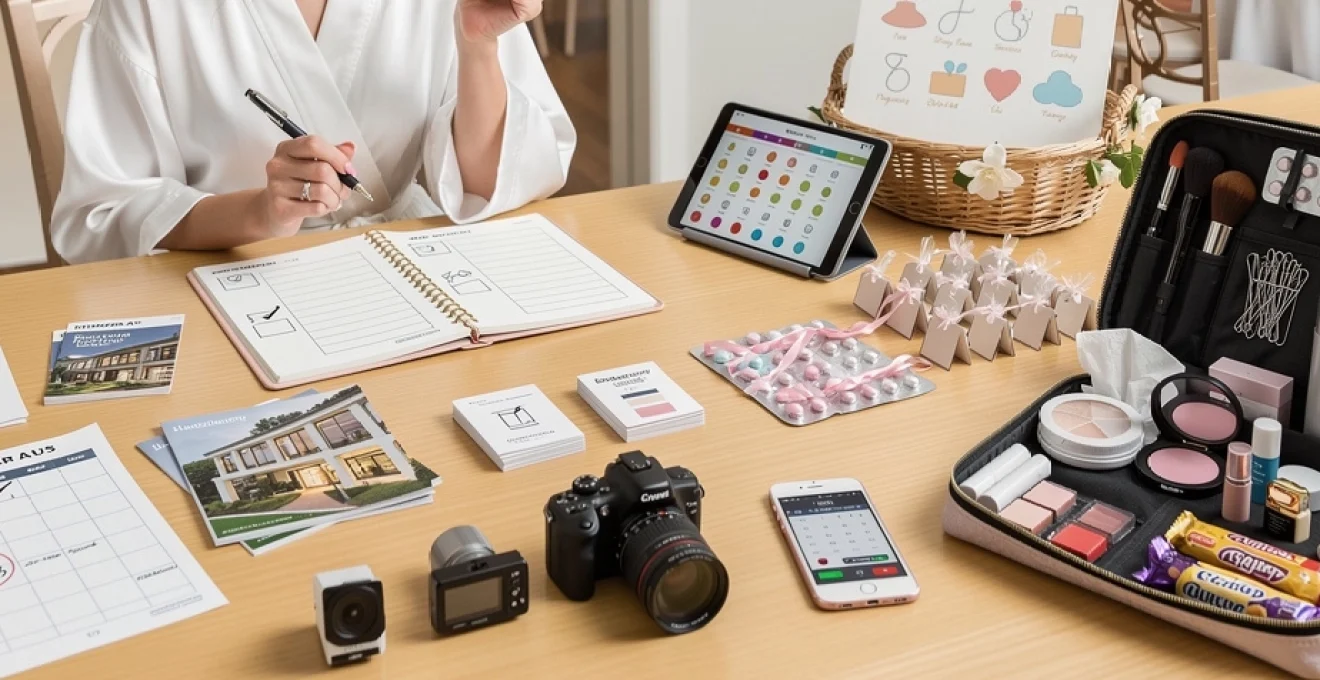
Planning your perfect wedding requires meticulous attention to detail and strategic organisation across multiple timelines. From the initial venue booking eighteen months before your special day to the final moments before you walk down the aisle, every element demands careful coordination. The difference between a stress-free celebration and a chaotic experience often lies in the thoroughness of your preparation and the quality of your wedding day checklist.
Modern couples face an overwhelming array of decisions, vendor communications, and logistical challenges that can transform what should be the happiest day of their lives into a source of anxiety. However, with proper planning frameworks and comprehensive checklists, you can navigate this complex process with confidence. The key lies in understanding that wedding preparation extends far beyond selecting a dress and choosing flowers—it encompasses legal requirements, vendor coordination, guest management, and countless contingency plans.
Your wedding day success depends on creating systematic approaches to each phase of planning, from long-term strategic decisions to minute-by-minute day-of coordination. This comprehensive guide addresses every aspect of wedding preparation, ensuring you’re equipped with the knowledge and tools necessary to orchestrate a flawless celebration.
Wedding timeline planning: Six-Month to Day-Of scheduling framework
Establishing a comprehensive timeline serves as the backbone of successful wedding planning, providing structure and preventing last-minute scrambles. Strategic timeline management begins eighteen months before your wedding date, allowing sufficient time for securing premium vendors and venues while maintaining flexibility for adjustments. The most successful couples create detailed monthly milestones that break down overwhelming tasks into manageable segments, ensuring steady progress without overwhelming stress.
Your timeline should account for seasonal variations in vendor availability, particularly for popular wedding months between May and September. Peak season bookings require earlier commitment and often command premium pricing, while off-season celebrations offer greater flexibility and potential cost savings. Consider creating buffer periods around major milestones to accommodate unexpected delays or changes in circumstances.
Venue booking and contract finalisation timeline
Venue selection represents one of your most critical early decisions, typically requiring commitment 12-18 months in advance for popular locations. Premium venues often book completely for entire wedding seasons, making early booking essential for securing your preferred date. When evaluating venues, consider not only the aesthetic appeal but also practical factors such as capacity, catering restrictions, decor limitations, and backup weather contingencies.
Contract negotiations should address cancellation policies, payment schedules, and vendor restrictions that might impact your other planning decisions. Ensure your venue agreement includes specific details about setup and breakdown times, as these factors significantly influence your day-of timeline. Many couples underestimate the importance of reviewing insurance requirements and liability coverage outlined in venue contracts.
Wedding vendor selection and deposit management schedule
Professional vendor selection requires systematic evaluation of portfolios, references, and compatibility with your wedding vision. Begin photographer and videographer booking 12-15 months in advance, as these professionals often limit the number of weddings they accept per weekend. Quality vendors typically require deposits ranging from 25-50% of total fees, necessitating careful budget management throughout the planning process.
Create a vendor payment tracking system that monitors deposit deadlines, final payment dates, and contract terms for each supplier. This system prevents missed payments that could jeopardise vendor relationships and ensures you maintain accurate budget oversight. Consider negotiating staggered payment schedules that align with your financial planning timeline.
Guest list compilation and RSVP tracking systems
Guest list management significantly impacts every aspect of your wedding planning, from venue capacity requirements to catering quantities and favour preparations. Begin with a comprehensive list that includes partners, children, and plus-one considerations, then prioritise guests based on relationship importance and budget constraints. Many couples find it helpful to create A-list and B-list categories, sending B-list invitations only after receiving declining responses from A-list guests.
Implement a systematic RSVP tracking system that monitors response rates and follows up with non-respondents appropriately. Digital RSVP systems offer real-time tracking capabilities and can automatically capture dietary restrictions and special accommodation needs. Plan for approximately 15-20% of invited guests to decline, though this percentage varies significantly based on travel requirements and guest demographics.
Wedding dress fittings and alteration appointment coordination
Wedding attire timelines often surprise couples, as quality gowns and suits can take months to order, tailor, and perfect. Aim to purchase your wedding dress 9–12 months before the day and schedule the first fitting at least 3–4 months before your wedding. Subsequent fittings should be booked at 6–8 weeks and again at 2–3 weeks out, allowing time for any last-minute adjustments due to weight fluctuations or shoe-height changes. For the groom and wedding party, coordinate suit hire or purchase at least 4–6 months in advance, confirming final fittings one month before.
To avoid scheduling conflicts, integrate all alteration appointments into your master wedding planning checklist and share key dates with anyone who needs to attend (such as parents or bridesmaids). Treat fittings like mini rehearsals for your wedding day: wear similar undergarments, shoes, and accessories to check overall comfort and mobility. Document any requested changes in writing with your seamstress or tailor, including deadlines and costs, so there are no surprises when you collect your completed outfits.
Marriage licence application and legal documentation deadlines
Legal requirements for your marriage are just as critical as your venue or dress, yet they are often the most overlooked items on a wedding checklist. Depending on your location, you may need to give notice of marriage or apply for a marriage licence 1–3 months before your wedding day, with strict minimum and maximum timeframes. Missing these legal deadlines can mean postponing your ceremony, so build them into your six-month to day-of scheduling framework as non-negotiable milestones. Research the documentation required in your jurisdiction—typically passports or IDs, proof of address, birth certificates, and, where relevant, divorce decrees or death certificates from previous marriages.
Schedule your appointment with the registry office, city hall, or local authority as soon as your venue and date are confirmed. Treat your marriage licence like any other essential document: keep both digital and physical copies, and confirm who is responsible for bringing the licence to the ceremony. Clarify with your officiant when and how the paperwork will be signed and submitted after the wedding. By approaching your legal documentation with the same structure you use for vendor coordination and dress fittings, you eliminate one of the biggest potential sources of last-minute panic.
Essential wedding day emergency kit components
No matter how precisely you plan, real wedding days always include small surprises—a loose button, an unexpected headache, a smudge of lipstick on a dress. A well-prepared wedding day emergency kit functions like your personal insurance policy against these minor crises. Think of it as a compact toolbox that keeps you calm and in control when the unexpected happens. Assign a trusted bridesmaid, groomsman, or coordinator to be the keeper of this kit so you can remain focused on enjoying your day.
When curating your emergency kit, consider the different categories of potential issues: beauty and makeup, clothing and garment repairs, comfort and health, and technology or media backups. You do not need an entire suitcase; a thoughtfully packed tote or small case can hold everything you realistically might use. Ask yourself: “If this problem cropped up on the day, would I want to fix it immediately?” If the answer is yes, the solution probably belongs in your kit. A little preparation here can be the difference between a two-minute fix and a lingering frustration that shows in your photos.
Bridal beauty touch-up supplies and makeup contingencies
Your makeup artist and hairstylist will create a beautiful look to last the entire day, but natural wear, weather, and tears of joy can still take a toll. Stock your beauty touch-up kit with the exact lipstick or gloss shade used in your trial, a pressed powder or blotting papers to combat shine, and a small setting spray to refresh your look before photos. Waterproof mascara, cotton buds, and mini makeup wipes allow quick clean-ups if emotional moments cause smudges or streaks. Including a compact mirror ensures you can check your appearance without relying on venue bathrooms.
For hair contingencies, pack a few essential styling tools: bobby pins that match your hair colour, clear or matching hair ties, a travel-size hairspray, and a small comb or mini brush. If you are wearing extensions or hair accessories, keep spare pins or clips in case something comes loose. Brides with sensitive skin may want a small tube of their usual moisturiser or soothing cream to avoid trying unfamiliar products on the day. By planning these wedding beauty touch-up supplies in advance, you avoid scrambling for products or relying on whatever is available at the venue.
Garment repair tools: safety pins, needle, thread, and stain removers
Wedding outfits endure a lot: travelling, hugging, sitting, dancing, outdoor photos, and endless movement. Even the best tailoring cannot fully prevent minor mishaps like loose hems, popped buttons, or broken straps. Include a small sewing kit with needles, neutral-coloured thread (and any thread that matches unique colours in your outfits), safety pins, and spare buttons if you have them. Safety pins are fast, discreet, and can rescue everything from a shifted bra strap to a broken bustle loop in seconds, making them a non-negotiable in your wedding emergency kit.
Stain emergencies are another common issue, especially with light-coloured fabrics. Add stain-removal wipes or pens that are safe for delicate materials, and test them on a hidden area of fabric in advance if possible. A white or clear chalk stick can help disguise marks on white gowns in a pinch. Lint rollers are invaluable for dark suits attracting dust or pet hair, while small fabric tape or fashion tape can secure plunging necklines or gaping shirt buttons. With these simple garment repair tools at hand, you protect your investment in your wedding attire and stay camera-ready throughout the day.
Wedding party comfort items: blister plasters, pain relief, and snacks
Comfort is often the hidden factor behind relaxed smiles and genuine joy in wedding photos. New shoes, tight waistbands, and long ceremonies can quickly sap energy if you are not prepared. Pack blister plasters, regular plasters, and a small selection of over-the-counter pain relief (cleared with your doctor if needed) for headaches or aches. Include antihistamines if you or someone in the wedding party is prone to allergies, especially for outdoor or barn weddings. Hand sanitiser, tissues, and breath mints are other small but high-impact items that make everyone feel more at ease.
Weddings can involve long gaps between meals, so quick, mess-free snacks are essential to maintain energy levels and avoid light-headedness. Think cereal bars, nuts, or dried fruit rather than anything crumbly or oily that could stain outfits. Bottled water or reusable water bottles help keep everyone hydrated, especially during peak summer weddings. A few comfort-focused additions—like mini fans for hot weather or shawls for an evening chill—show your wedding party you have considered their needs and help prevent discomfort from overshadowing the celebration.
Photography and videography backup equipment essentials
Most professional photographers and videographers will bring their own extensive backup equipment, but it is still wise to understand how prepared your team is for technical issues. In your pre-wedding discussions, ask about backup cameras, extra lenses, memory cards, and batteries, and confirm that they carry duplicates of critical gear. This is especially important if you are hosting a destination wedding or celebrating in a remote venue where replacing equipment quickly would be difficult. Think of it like having a spare tyre in your car—you hope you never need it, but you will be grateful it is there.
If a family member or friend is also capturing footage, consider adding a small tech kit to your wedding checklist. Include spare fully charged power banks, universal charging cables, and extra memory cards formatted and ready to use. Designate one person to be responsible for gathering all memory cards, USBs, or drives at the end of the night so personal photos and videos are not lost or forgotten. Clear communication with your media team about what backups are in place reinforces your overall wedding vendor coordination strategy and reduces the risk of missed moments.
Wedding vendor communication and coordination protocols
Even the most beautiful wedding timeline can fall apart without clear communication and coordination between vendors. Your suppliers—caterer, florist, DJ or band, photographer, videographer, planner, and venue team—form a complex ecosystem that must operate in sync. Establishing structured communication protocols early on helps prevent misunderstandings about arrival times, setup requirements, and responsibilities. Think of yourself as the conductor of an orchestra, ensuring every musician knows when and how to play their part.
Create a consolidated “day-of brief” that includes your timeline, contact list, floor plans, and key instructions for each vendor. Share this document at least 2–3 weeks before the wedding, and schedule a brief check-in—either by email or video call—to confirm everyone is aligned. Appoint a single point of contact for vendors on the day, such as a planner, on-the-day coordinator, or organised member of the wedding party. This allows you to step out of the role of project manager and fully experience your celebration, confident that suppliers know who to approach with questions.
Pre-ceremony beauty and grooming timeline management
The hours before your ceremony can either feel calm and joyful or rushed and chaotic, depending on how you manage your beauty and grooming timeline. Start by working backwards from your ceremony time, allowing ample buffer for travel, dressing, and pre-ceremony photos. For bridal parties, professional hair and makeup often require 45–90 minutes per person, depending on complexity, so a group of four or more can easily take several hours. Build in at least 30–60 minutes of “padding” in case someone runs late, styles need tweaking, or emotions delay the schedule.
To keep the morning flowing smoothly, share a mini-schedule with your wedding party that lists who is in the hair and makeup chair at what time. Encourage everyone to arrive with clean, dry hair (or as your stylist recommends) and skincare completed, to avoid delays. Grooms and groomsmen should also have a grooming plan: shaves or beard trims the day before, haircuts 1–2 weeks before, and enough time on the morning to shower, dress, and enjoy a moment together. Consider when and where you will eat breakfast or brunch; starting a long day on an empty stomach is one of the most common and avoidable wedding day mistakes.
Reception logistics and guest experience optimisation
Once your ceremony is complete, your focus shifts to reception logistics and creating a seamless, enjoyable experience for your guests. A well-organised reception plan considers the flow of people and events: how guests move from ceremony to cocktails, into dinner, and finally onto the dance floor. When you optimise this journey, you reduce bottlenecks, minimise confusion, and keep energy levels high. Ask yourself: “If I were a guest, would I know where to go, what is happening next, and how to participate?” Your reception layout, signage, and schedule should all answer that question with ease.
Work closely with your venue, caterer, and planner to finalise the order of events, including speeches, meal service, cake cutting, and first dances. Agree on signals or cues to move from one phase to another, such as specific songs or lighting changes. Consider accessibility for older guests or those with mobility needs when designing seating plans and dance floor placement. When every detail from the seating chart to transportation is thought through in advance, you free yourself to be fully present as the host of your celebration.
Seating chart implementation and dietary requirement management
A thoughtful seating chart is one of the most powerful tools you have for shaping the social atmosphere of your reception. Start with your final RSVP list and map out tables based on relationships, age groups, and personalities. Aim to create balanced groups where guests know at least one other person but can also enjoy meeting new people. Once your layout is confirmed with the venue, produce a clear table plan or escort card display placed at the entrance to the reception area so guests can quickly find their seats, reducing congestion and confusion.
Dietary requirements demand careful attention and accurate communication between you, your guests, and your caterer. Use your RSVP tracking system to collect information on allergies, intolerances, and preferences such as vegetarian, vegan, or gluten-free. Provide your caterer with a detailed list at least 2–3 weeks before the wedding, and discuss how these meals will be marked or identified for serving staff. Place discreet symbols or colour codes on place cards if appropriate, or provide a separate server briefing sheet. Handling dietary needs with care not only ensures safety but also signals to your guests that their comfort and wellbeing are a priority.
Wedding favours distribution and gift table organisation
Wedding favours and gifts may be small details in the broader picture, but they contribute meaningfully to your guests’ overall experience. Decide early how and when you want to distribute wedding favours: at each place setting, displayed on a dedicated table, or handed out later in the evening. Coordinating favours with your table décor can create a cohesive visual effect and make them easier for guests to notice and take home. If you are offering edible favours or plants, consider timing and storage so they remain fresh and appealing.
A well-planned gift table simplifies things for guests bringing cards or presents and helps you manage everything efficiently at the end of the night. Place the table in a visible yet secure area near the entrance to your reception, clearly signposted. Provide a card box or locked container for envelopes, and designate a trusted person or team to move gifts to a safe location once the reception is underway. Keep a simple list or photo record of gifts if possible; this will be invaluable when writing thank-you notes during your post-wedding administrative phase.
Evening entertainment transitions and dance floor setup
The success of your evening often depends on how smoothly you transition from formalities to relaxed celebration. Work with your DJ or band to create a structured entertainment timeline that covers background music during dinner, entrance songs, first dance, parent dances, and the shift to open dancing. Lighting plays a huge role here: subtle changes from brighter meal lighting to softer, more dynamic dance floor lighting can cue guests that it is time to party. Discuss with your entertainment team how they will read the room and adjust music to maintain energy and keep the dance floor busy.
Dance floor placement is another strategic consideration. Position it close to the bar and not too far from seating areas to encourage guests to join in, but leave enough space around it for safe movement. If you are planning special entertainment—such as live performers, a sparkler send-off, or a surprise routine—integrate these into your wedding day checklist with clear timings and responsibilities. When your entertainment transitions are planned as carefully as your ceremony, the evening becomes a memorable, well-paced experience rather than a series of disjointed moments.
Transportation coordination for guests and wedding party
Transportation is one of those logistical elements that guests often remember, especially if it is either exceptionally smooth or unexpectedly difficult. Begin by mapping out key movements on your wedding day: getting the wedding party to the ceremony, moving everyone to the reception if it is a different location, and ensuring late-night departures are safe and straightforward. For rural venues or locations with limited parking, consider group transport such as coaches or shuttles. Provide clear departure times and pick-up points on your wedding website, invitations, or welcome notes so guests know exactly what to expect.
For the wedding party, allocate specific vehicles and drivers, and confirm who is responsible for transporting items like the emergency kit, overnight bags, or décor pieces. Allow buffer time in your timeline for traffic and parking, especially in city centres or during peak seasons. If guests are arranging their own transport, share local taxi numbers, ride-share details, or parking instructions in advance. Thoughtful transportation planning not only keeps your day on schedule but also enhances guest safety and comfort, particularly at the end of the evening when everyone is tired.
Post-wedding administrative tasks and Follow-Up procedures
Once the last song has played and the lights have come up, your wedding journey shifts into its final phase: post-wedding administration and follow-up. This stage may not be glamorous, but it is essential for closing the loop on your celebration. Begin by confirming that all vendor payments, gratuities, and outstanding balances are settled according to your contracts. Many couples find it helpful to prepare envelopes for tips and final payments in advance and assign a trusted person to distribute them on the day. Within a week of your wedding, review your budget and note any final expenses for your records.
Next, turn to your legal and personal administration. Confirm that your marriage licence has been filed correctly by your officiant and order certified copies of your marriage certificate if needed for name changes or financial documents. If you plan to change your name, create a checklist of institutions to notify—passport office, banks, employers, insurance providers, and utility companies—and tackle them systematically. Meanwhile, liaise with your photographer and videographer regarding delivery timelines for previews, full galleries, and films, and back up all digital files as soon as you receive them.
Thank-you notes are a key part of your wedding etiquette and guest experience. Using your gift list or a simple spreadsheet, track who gave what and aim to send handwritten or thoughtfully personalised digital notes within three months. This is also a good time to leave honest, constructive reviews for your vendors online, helping future couples make informed decisions and recognising excellent service. Finally, consider how you want to preserve your wedding memories: album design, printing favourite photos, storing your dress, or creating a keepsake box. By approaching your post-wedding tasks with the same structured planning you applied to your wedding checklist, you bring your entire wedding journey to a smooth, satisfying close.