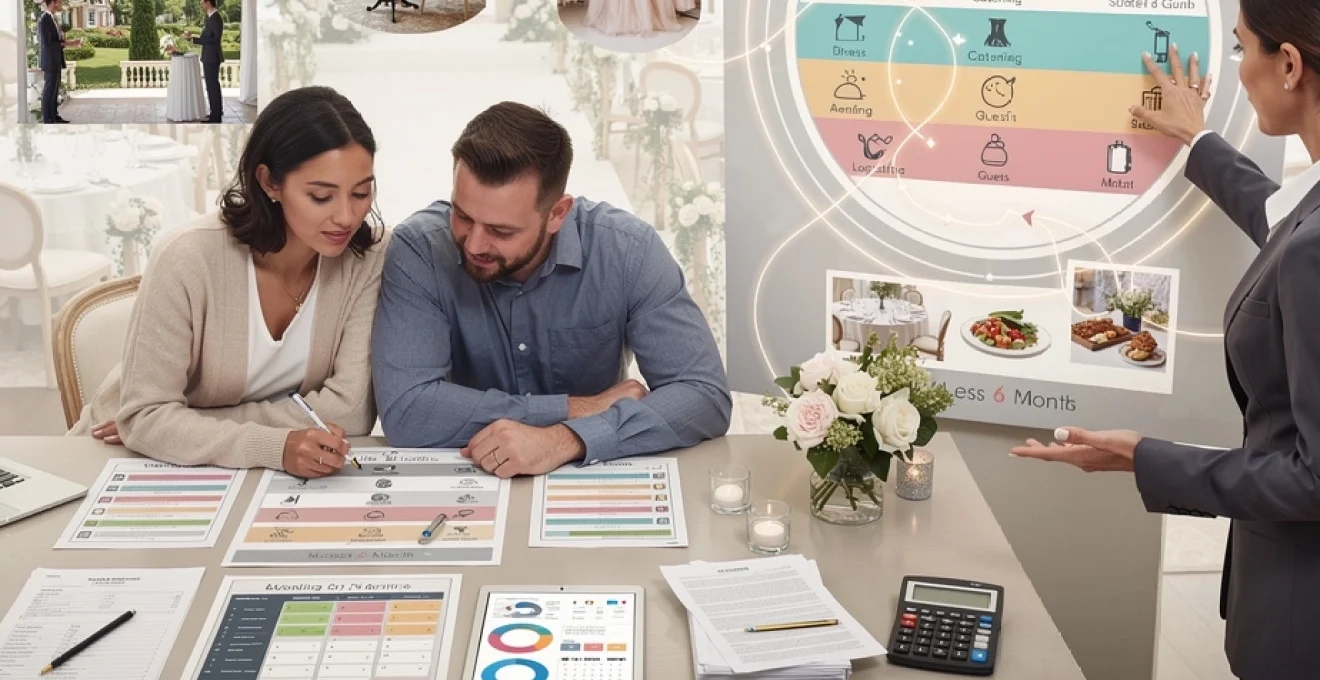
Planning a wedding in six months might seem like an impossible task, but countless couples have successfully orchestrated beautiful celebrations within this timeframe. The key lies in understanding that a shorter planning window doesn’t mean compromising on your dream wedding – it simply requires focused decision-making, strategic prioritisation, and efficient execution. Modern wedding planning has evolved to accommodate various timelines, with many venues and vendors specifically catering to couples seeking short-notice ceremonies.
The traditional two-year engagement period is no longer the standard, as many couples prefer to begin married life sooner rather than later. This shift has created opportunities for significant cost savings through late-availability packages whilst maintaining the quality and elegance you desire. The wedding industry has adapted remarkably well to this trend, offering streamlined services and flexible booking arrangements that make rapid planning not just possible, but often more enjoyable than lengthy engagement periods.
Wedding timeline architecture for Six-Month planning cycles
Creating a robust timeline forms the foundation of successful six-month wedding planning. Unlike traditional extended planning periods, compressed timelines require reverse engineering from the wedding date, working backwards to establish critical milestones and deadlines. This approach ensures no essential elements are overlooked whilst maintaining realistic expectations about what can be accomplished within the available timeframe.
Critical milestone mapping using reverse planning methodology
The reverse planning methodology begins with your wedding date as the fixed point, establishing non-negotiable deadlines working backwards. Legal requirements such as giving notice to marry must be completed at least 29 days before the ceremony, creating your first immovable deadline. From this point, venue bookings should ideally be secured 5-6 months prior, followed by key vendor selection within the subsequent 3-4 weeks.
Photography and videography bookings require particular attention, as quality professionals often have limited availability. The most sought-after photographers typically book 4-6 months in advance, making this a priority booking within your first month of planning. Similarly, catering arrangements need finalisation 3-4 months before the wedding to accommodate menu planning, dietary requirements, and final guest counts.
Vendor booking windows and availability constraints analysis
Understanding vendor booking windows prevents disappointment and ensures realistic timeline management. Entertainment providers, including bands and DJs, typically require 3-4 months’ notice, particularly for weekend bookings during peak wedding season. Florists can often work with shorter notice periods, but complex arrangements or specific seasonal flowers may require additional lead time.
Hair and makeup artists represent another critical booking consideration, as popular stylists often have limited availability, especially for Saturday weddings. Booking these services 2-3 months in advance provides sufficient time for trials and adjustments whilst ensuring availability. Transportation services, whilst often bookable at shorter notice, should be arranged 6-8 weeks prior to secure preferred vehicles and routes.
Budget allocation frameworks for accelerated wedding planning
Compressed planning timelines significantly impact budget allocation strategies, as many vendors require upfront payments rather than extended payment plans. Establishing a realistic budget within the first two weeks of planning prevents overspending and ensures funds are available when needed. The traditional 50% venue, 30% catering, 20% everything else allocation may require adjustment for short-notice bookings.
Emergency funds become particularly important in accelerated planning, as rush fees and premium charges for expedited services can quickly escalate costs. Allocating 15-20% of the total budget for unexpected expenses provides necessary flexibility whilst maintaining financial control. This buffer proves invaluable when dealing with last-minute changes or upgrade opportunities that enhance the overall celebration.
Guest list finalisation strategies for rapid RSVP processing
Guest list decisions must be finalised within the first month to facilitate venue selection and catering arrangements. Unlike traditional planning timelines that allow for gradual guest list refinement, six-month planning requires immediate clarity about approximate numbers. Creating initial categories of essential guests, preferred guests, and if space allows guests streamlines decision-making.
Digital save-the-dates should be dispatched within 2-3 weeks of setting the date, providing maximum notice for guest availability. This approach proves particularly effective for destination weddings or celebrations requiring travel arrangements.
For rapid RSVP processing, you may wish to set a response deadline 4-5 weeks after sending invitations, earlier than traditional timelines. Online RSVP systems embedded in a simple wedding website or planning app reduce administrative workload and provide real-time visibility of guest numbers. This streamlined approach ensures you can confirm catering, seating plans, and accommodation blocks without the last-minute panic often associated with shorter wedding planning cycles.
Venue selection and booking strategies for short-notice weddings
Securing a wedding venue is often the biggest hurdle when you are organising a wedding in less than six months. High-demand weekends and peak seasons can book out 12–18 months in advance, but there are still many ways to identify suitable options on a compressed schedule. The key is to combine flexibility, targeted research, and structured communication so you can move from enquiry to confirmed booking in a matter of days rather than months.
Last-minute venue availability assessment techniques
When assessing last-minute venue availability, start by defining a clear hierarchy of non-negotiables and flex points. For example, you might decide that the approximate location and capacity are essential, but you are flexible on weekday dates or off-peak months. This mental framework allows you to quickly rule out unsuitable venues and focus on those that can genuinely support your six-month wedding planning timeline.
Instead of sending generic email enquiries, prepare a concise availability request template including your preferred month, guest numbers, ceremony type, and budget range. Many venues release late-availability calendars or cancellation dates on their websites or social channels, which can be a goldmine for couples planning a wedding in six months or less. Calling venues directly during office hours often yields faster answers than waiting for email responses, especially when you are seeking dates within the next 3–9 months.
Alternative venue categories: restaurants, hotels, and private estates
If traditional country houses or dedicated wedding venues are fully booked, expanding your search to alternative venue types can dramatically increase your options. Restaurants with private dining rooms, boutique hotels, and stylish city bars frequently accommodate weddings on shorter notice, particularly for weekday or Sunday celebrations. These spaces often include in-house catering and furniture, which simplifies logistics and can reduce your overall wedding planning checklist.
Private estates and large holiday homes also offer flexible solutions for couples seeking a weekend-long celebration. Many of these properties work with preferred caterers and marquee suppliers, effectively functioning as semi-serviced wedding venues. While they may require more coordination on your part, they often have better availability within a six-month window and can provide a highly personalised, residential-style wedding experience that feels more like a relaxed house party than a formal event.
Contract negotiation tactics for expedited venue bookings
When booking a venue at short notice, you are in a unique position: the date is relatively close, but the venue may prefer to fill it rather than leave it empty. This can open the door to package discounts, waived fees, or added extras, provided you negotiate professionally and realistically. Approach discussions with a clear understanding of your budget and be ready to make swift decisions; venues are more likely to be flexible when they sense you are organised and committed.
Focus on negotiating aspects that genuinely impact your wedding planning in six months, such as minimum guest numbers, bar spend requirements, and payment schedules. Some venues may allow you to reduce minimum numbers slightly for off-peak or weekday weddings, which can be valuable if you are uncertain how many guests can attend at short notice. Always request a written contract that details inclusions, cancellation terms, and any agreed concessions before paying a deposit, even when time is tight.
Backup venue protocols and contingency planning systems
Because you are working within a compressed timeframe, it is wise to maintain at least one backup venue option until your preferred choice is fully confirmed in writing. Create a shortlist of two to three venues that meet your essential criteria and gather key details such as pricing, capacity, and available dates. This parallel planning approach prevents delays if your first choice is suddenly booked by another couple or cannot accommodate a specific requirement.
Once you have secured your venue, contingency planning should shift towards operational risks such as adverse weather or transport disruption. For outdoor or marquee weddings, clarify indoor backup spaces and wet-weather ceremony plans with your venue coordinator. Document these scenarios in a simple one-page contingency plan that you can share with your wedding party and key suppliers, ensuring that even unexpected challenges on the day are handled calmly and efficiently.
Vendor procurement and contract management for expedited weddings
With your venue booked, the next priority is assembling a reliable team of wedding suppliers who are comfortable working within a short planning window. In a six-month wedding planning cycle, vendor procurement should be decisive rather than drawn out. Start by identifying your top three priority categories—often photography, catering, and entertainment—and allocate time in the first two to three weeks to secure them.
Use targeted research methods, such as venue-recommended supplier lists and regional wedding forums, to identify professionals who are familiar with short-notice weddings. Many experienced vendors keep select dates available for late bookings or cancellations, especially outside peak Saturdays. When you enquire, share your wedding date, venue, approximate schedule, and budget range up front; this allows suppliers to confirm availability quickly and present realistic packages without prolonged back-and-forth.
Contract management becomes particularly important when timelines are compressed, as deposits and final balances tend to fall closer together. Carefully review each contract for payment milestones, overtime rates, and cancellation or postponement terms. For example, some photographers may require full payment 30 days before the wedding, while caterers might request final guest numbers and balances two weeks prior. Recording these dates in a digital calendar or project management tool prevents missed payments that could jeopardise your bookings.
Because you may not have time for extended meetings with every supplier, efficient communication is essential. Consolidate your preferences, timelines, and logistical details into a single shared document that can be distributed to all vendors. This “wedding master brief” reduces the risk of miscommunication and allows your suppliers to coordinate among themselves, which is particularly valuable when planning a wedding in less than six months where every week counts.
Wedding dress and attire acquisition within compressed timeframes
Wardrobe decisions can feel daunting when you are working with a short engagement, particularly if you have always imagined a bespoke gown or tailored suit. The good news is that the bridal and formalwear industries have increasingly adapted to couples planning a wedding in six months or less. By understanding your options and deadlines, you can still achieve a look that feels entirely “you” without risking last-minute stress.
Off-the-rack designer collections vs bespoke tailoring options
When time is limited, your primary decision is whether to purchase off-the-rack attire or pursue an expedited made-to-measure or bespoke route. Off-the-rack bridal gowns and suits, available in standard sizes, offer the fastest pathway; you can often take the garment home on the day of purchase and schedule alterations immediately. Many designers now maintain ready-to-wear collections specifically for couples planning weddings in under six months.
Bespoke options are still possible in some cases, but you will need to act quickly and accept potential limitations on design complexity. For example, a simple sheath or A-line gown with minimal embellishment can typically be produced more quickly than a heavily beaded ballgown, just as a classic two-piece suit is faster to tailor than an intricate three-piece with custom details. When discussing timelines with designers or tailors, be honest about your wedding date and build in at least 4–6 weeks for fittings and adjustments.
Alteration scheduling and rush order processing protocols
Alterations are where tight timelines can become challenging, so it is wise to secure an alteration specialist as soon as you purchase your attire. Many bridal boutiques partner with trusted seamstresses, but you can also work with independent tailors if you prefer. Aim to schedule your first fitting at least eight weeks before the wedding, with a second fitting around four weeks before, and a final check one to two weeks prior where possible.
Rush order processing is often available for both garment production and alterations, but it typically incurs additional fees. To avoid unnecessary costs, minimise late design changes and ensure you have your wedding shoes and undergarments ready for the first fitting; changing heel height or foundation garments mid-way through can trigger extra adjustment work. Treat dress and suit alterations as fixed milestones in your six-month wedding planning timeline rather than flexible “when we have time” tasks.
Bridal boutique inventory management and sample sale opportunities
Many bridal boutiques operate with substantial in-store inventory that can be sold directly off the rack, which is ideal for short-notice weddings. Ask specifically about “quick ship” collections, discontinued styles, or sample dresses that can be professionally cleaned and altered. Sample sales, which are often advertised seasonally, provide an opportunity to secure designer gowns at significant discounts while avoiding long production lead times.
To make the most of these opportunities, approach boutique appointments with a clear idea of your preferred silhouettes, necklines, and fabrics. This allows consultants to quickly pull viable options from existing stock rather than focusing on catalog-only designs that cannot be delivered in time. A similar approach works well for grooms and wedding party attire; many menswear retailers offer mix-and-match suit separates that can be ordered in standard sizes and delivered within days, then refined through local tailoring.
Digital wedding planning tools and project management systems
When you are planning a wedding in less than six months, your organisational systems effectively become your invisible wedding planner. Digital tools can centralise information, automate reminders, and streamline communication, turning what could feel chaotic into a manageable, step-by-step process. Rather than juggling multiple notebooks and email threads, you can rely on a single, structured workflow that keeps both partners aligned.
Project management platforms such as Trello, Asana, or Notion can be configured into wedding-specific boards with lists for budget tracking, supplier contacts, décor ideas, and timeline milestones. Think of these boards as the architectural blueprint of your wedding planning process: each card represents a task, deadline, or decision point, and you can assign responsibilities between you and your partner to avoid duplication. Many couples find it helpful to schedule a weekly 30–45 minute “wedding check-in” where they review the board and update progress.
In parallel, dedicated wedding planning apps and websites provide integrated tools for guest list management, digital invitations, and RSVP tracking. These platforms can drastically reduce admin time by automatically tallying meal choices, recording dietary requirements, and exporting seating plans. If you are wondering how to keep guests informed about last-minute changes—such as transport updates or weather contingencies—a simple wedding website or group messaging channel can be invaluable.
Document storage is another crucial element of your digital setup. Storing contracts, invoices, floor plans, playlists, and speeches in a shared cloud folder ensures that everything is accessible from any device on the wedding day itself. This digital “wedding HQ” becomes especially useful if a key person, such as your photographer or coordinator, needs quick access to the running order or supplier contact numbers. In a condensed six-month planning period, having this information structured and centralised can make the difference between feeling overwhelmed and feeling in control.
Last-minute wedding day coordination and crisis management protocols
Even the most meticulously organised weddings experience minor hiccups, and when you have planned everything in six months or less, it can feel as though there is little margin for error. Establishing simple wedding day coordination and crisis management protocols gives you a safety net, allowing you to relax and enjoy the celebration. Think of it as installing a calm, invisible “operations team” behind the scenes.
Begin by appointing a small group of trusted people—often your chief bridesmaid, best man, or a close friend—as your on-the-day coordination team. Share a concise wedding day timeline with them, including key supplier arrival times, ceremony and speech schedules, and contact details for the venue and major vendors. By delegating practical responsibilities such as cueing music, managing gifts, or guiding guests, you free yourselves to focus on being present rather than problem-solving.
Next, anticipate common issues and define simple response protocols. What happens if the florist is delayed, a bus breaks down, or the weather forces a last-minute ceremony move? Discuss these scenarios with your venue coordinator and main suppliers in advance, agreeing on fallback options such as alternative photo locations or adjusted meal times. Capturing these decisions in a brief “what if” document provides clarity on the day and prevents panicked decision-making when the unexpected occurs.
Finally, build a small “wedding emergency kit” and designate someone to be responsible for it. This might include items such as a mini sewing kit, stain remover, plasters, pain relief, spare phone chargers, and a printed copy of the vendor contact list and schedule. These simple preparations act like insurance: you may not need them, but if something goes awry, you will be grateful they were in place. With clear coordination plans and calm, pre-agreed crisis responses, even a wedding planned in under six months can run as smoothly as one prepared over several years.