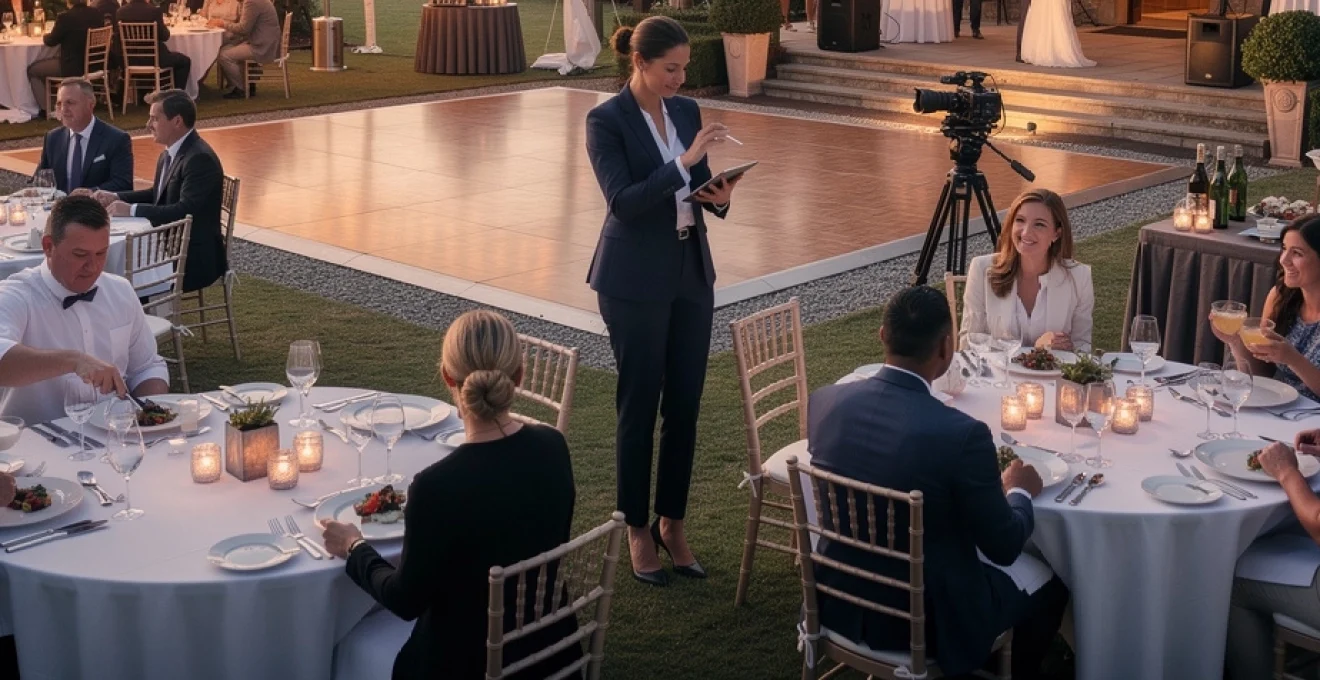
Planning a successful wedding reception requires careful orchestration of numerous interconnected elements that work together to create an unforgettable celebration. From the moment guests arrive at the venue until the final farewell, each component plays a crucial role in determining whether the reception becomes a cherished memory or a missed opportunity. Modern couples face increasingly complex decisions as wedding receptions have evolved from simple dinner parties to elaborate productions requiring professional-level coordination and attention to detail.
The stakes are particularly high when you consider that wedding receptions typically consume 60-70% of the total wedding budget, with the average UK wedding reception costing between £15,000 and £25,000. This significant investment demands strategic planning and expert execution to ensure every pound contributes to creating magical moments for both the couple and their guests. Understanding the fundamental elements that separate exceptional receptions from mediocre celebrations becomes essential for anyone planning their special day.
Venue selection and spatial layout configuration
The venue selection process forms the foundation upon which all other reception elements build. Choosing the right space involves far more than simply finding an attractive location; it requires careful analysis of how the physical environment will support your specific celebration style and guest experience objectives. The venue’s architectural features, natural lighting, accessibility, and spatial flow directly impact every aspect of the reception, from photography opportunities to guest comfort levels throughout the evening.
Marquee versus historic manor house reception dynamics
The choice between outdoor marquee celebrations and indoor historic venues represents one of the most significant decisions couples face, each offering distinct advantages and challenges. Marquee receptions provide unparalleled customisation opportunities, allowing couples to create entirely bespoke environments that reflect their personal aesthetic preferences. The blank canvas approach enables creative freedom in lighting design, décor placement, and spatial configuration that simply cannot be achieved in fixed indoor spaces.
Historic manor houses and established reception venues offer architectural grandeur and built-in ambiance that requires minimal enhancement. These venues typically provide superior weather protection, established catering facilities, and experienced event coordination teams familiar with the space’s unique characteristics. However, couples must work within existing design parameters and may face restrictions on decorative modifications or entertainment options.
Guest capacity calculations and floor plan optimisation
Accurate guest capacity calculations extend beyond simple headcounts to encompass spatial requirements for different reception activities. Professional event planners recommend allocating 6-8 square feet per person for seated dinner service, 4-5 square feet for cocktail reception areas, and 3-4 square feet per person for dance floor space. These calculations must account for essential elements such as band or DJ equipment areas, bar stations, catering service zones, and guest circulation pathways.
Effective floor plan optimisation creates natural guest flow patterns that prevent congestion whilst encouraging social interaction. Strategic placement of bars in multiple locations reduces queue formation, whilst designated quiet conversation areas provide respite from louder entertainment zones. The most successful receptions feature carefully planned sight lines that ensure all guests can witness key moments like speeches and first dances, regardless of their seating position.
Acoustic considerations for live entertainment and speech delivery
Acoustic planning often receives insufficient attention during venue selection, yet poor sound quality can significantly diminish guest experience and create lasting negative impressions. Hard surfaces like stone walls and wooden floors create sound reflection and echo that can make speech comprehension difficult, particularly for elderly guests or those with hearing impairments. Conversely, venues with excessive soft furnishings may absorb sound too effectively, requiring more powerful amplification systems.
Professional sound engineers recommend conducting acoustic tests at different times of day and with varying guest numbers to understand how the space responds to different sound levels. Live music performances require particular attention to acoustic design, as instruments like drums and brass sections can easily overwhelm conversational areas without proper sound management. Modern sound systems with zone control capabilities allow different audio levels in various areas, enabling simultaneous dining and dancing activities.
Weather contingency planning and outdoor reception infrastructure
Outdoor receptions demand comprehensive weather contingency planning that addresses everything from light rain to severe weather conditions. Effective backup plans require more than simple tent rentals; they must address power supply modifications, catering logistics changes, and guest comfort adjustments. Successful outdoor events feature
strategically positioned marquees or stretch tents with solid flooring, weighted sides, and effective heating or cooling solutions. Thoughtful infrastructure planning should also include covered walkways between key areas (such as car parks, restrooms, and the main reception tent), non-slip matting for high-traffic zones, and weather-resistant signage. You should discuss power redundancy with your suppliers, ensuring generators are protected from the elements and that any outdoor lighting, sound, and catering equipment is rated for external use. By treating weather planning as a core design element rather than a last-minute contingency, you significantly increase the likelihood that your wedding reception feels seamless, whatever the forecast.
Catering service execution and menu curation
Catering is often the most visible and talked-about component of a wedding reception, and it typically represents a substantial portion of the overall budget. The quality, timing, and presentation of food and drink can dramatically influence how guests remember the celebration. A successful catering strategy goes beyond selecting delicious dishes; it also requires logistical precision, well-briefed service staff, and alignment with the broader wedding reception timeline. When food service is synchronised with speeches, entertainment, and photography, the entire evening feels polished and effortless.
Dietary accommodation protocols and allergen management systems
In the UK, recent surveys suggest that up to 15-20% of guests at a typical wedding reception have a dietary requirement, whether due to allergies, intolerances, religious observance, or lifestyle choices such as vegetarianism or veganism. Managing these needs is not just a courtesy; it is a legal and safety imperative. Your caterer should operate with a clear allergen management system that identifies and labels the 14 major allergens, maintains strict cross-contamination controls, and trains staff to answer guest questions confidently. You can support this by collecting detailed dietary information on your RSVPs and providing your caterer with a consolidated list well ahead of the reception.
How can you make dietary accommodation feel inclusive rather than like an afterthought? One effective strategy is to design a wedding reception menu where the main dishes are naturally adaptable or where vegetarian and gluten-free options are just as enticing as the standard choices. Clear menu cards on tables or at buffet stations can highlight allergens and special diet options, reducing confusion for guests and pressure on service staff. In cases of severe allergies, consider colour-coded place cards or discreet symbols on escort cards to alert servers. By taking a structured, proactive approach, you reduce risk and ensure every guest can relax and enjoy the celebration.
Service style selection: plated, buffet, and family-style logistics
The service format you choose—plated, buffet, or family-style—has far-reaching implications for the pacing, layout, and overall feel of your wedding reception. Plated service is generally the most formal and controlled option, allowing chefs to present visually refined dishes and ensuring all guests are served simultaneously. However, it requires higher staff-to-guest ratios and meticulous timing, especially if you intend to weave speeches between courses. Buffets offer variety and flexibility, particularly for larger or more informal receptions, but they demand wider gangways, clear queuing systems, and careful crowd management to prevent bottlenecks.
Family-style service, where shared platters are placed on each table, has grown in popularity for couples seeking a convivial, communal atmosphere. It encourages interaction but requires wider tables, more generous clearance around chairs, and detailed coordination with your florist and stylist so that large centrepieces do not obstruct serving dishes. Whatever service style you choose, work with your caterer to produce a detailed operation plan covering kitchen access, staging areas, and the number of service staff required. It is often helpful to run through the service sequence as if it were a theatre production: who moves where, when, and with what. This mindset reduces delays and helps avoid awkward pauses in your wedding breakfast.
Wine pairing programmes and beverage service timing
A well-designed beverage programme can subtly elevate the entire wedding reception, complementing the menu and supporting the emotional arc of the evening. Thoughtful wine pairing does not have to be elaborate or expensive; even two carefully chosen wines—one white, one red—that harmonise with your main course can make a tangible difference. Many couples now opt for a mix of house wines alongside one or two “hero” bottles served for toasts or with a signature course. When planning, consider the season, the richness of your dishes, and guest demographics; for example, lighter, aromatic whites and rosés tend to perform well at summer marquee weddings, while fuller-bodied reds suit winter manor house receptions.
Timing is just as important as selection. To avoid half-empty glasses during key moments, coordinate with your catering team so that champagne or sparkling wine is topped up 5-10 minutes before speeches begin. During cocktail hour, offering a balanced mix of one or two signature cocktails, prosecco, beer, and an appealing non-alcoholic option keeps queues short and guests refreshed. Later in the evening, gradually shifting focus from complex cocktails to simpler mixed drinks, wine, and beer can streamline service and keep the bar running efficiently. Clear communication between bar staff, coordinators, and entertainers ensures that beverage service enhances, rather than interrupts, the flow of the wedding reception.
Late-night food service and extended reception catering
As your wedding reception progresses into the later hours, guest energy levels can fluctuate. Strategic late-night food service is an effective way to revive the dance floor and ensure that guests who have been drinking remain comfortable and safe. This does not necessarily mean another formal meal; instead, think of convenient, easy-to-eat options like sliders, pizzas, bao buns, or cones of chips that can be passed around the dance floor or served from a dedicated station. Many UK couples now integrate street-food-style vendors or food trucks into their late-night catering, adding an element of surprise and informality that guests love.
From a logistical standpoint, late-night catering should be scheduled 2-3 hours after the main meal, when guests are beginning to feel hungry again. Discuss with your caterer whether the same kitchen team will handle this service or if an external vendor will be brought on site, as this impacts power requirements, access routes, and clean-up arrangements. Consider dietary needs here too, offering at least one vegetarian or vegan option and a simple allergen-safe snack. By planning late-night food with the same attention as the main meal, you help sustain momentum and close your wedding reception on a warm, convivial note.
Entertainment programming and guest engagement strategies
Entertainment is the heartbeat of a successful wedding reception, shaping atmosphere, energy levels, and guest engagement from cocktail hour to last orders. While a band or DJ is often the central element, the most memorable receptions layer different forms of entertainment throughout the evening, much like a well-curated festival. Live music, interactive stations, lawn games, photo booths, and surprise performances can all play a role, provided they are coordinated around key moments such as the first dance and cake cutting.
When designing your entertainment programme, think in “chapters” rather than isolated acts. How will guests be welcomed into the space? What will keep them occupied while formal photography is taking place? Which elements will appeal to older relatives as much as your university friends? For example, a string quartet or jazz trio during drinks can ease guests into the celebration, followed by a high-energy band and DJ combination later in the night. Interactive features such as caricaturists, magicians, or DIY cocktail stations offer talking points and help break the ice between different friendship groups. The goal is not to overwhelm guests with constant activity but to provide a gentle rhythm of experiences that keeps them engaged without feeling rushed.
Photography and videography coordination frameworks
Professional photography and videography act as the visual archive of your wedding reception, capturing not only staged portraits but also the candid, unscripted moments that define the celebration. Coordination between the couple, the media team, and the venue is essential to ensure that important shots are not missed and that photography does not disrupt the natural flow of the reception. A comprehensive brief, shared well in advance, should identify priority images, key family groupings, and any special details (such as heirloom décor elements or cultural traditions) that you want documented.
One effective approach is to treat your photographers and videographers as integral members of the planning team rather than external suppliers. Invite them to review your wedding reception timeline and floor plan, and ask for their input on where and when to stage group photographs, couple portraits, and first-look moments. They may suggest adjustments to speech timing for better light, or repositioning the cake or top table to avoid backlighting and cluttered backgrounds. Clear communication on policies—such as whether you are comfortable with guests taking photos during the ceremony or using flash during the first dance—helps manage expectations and prevents conflicts between professional and amateur photographers on the day.
Timeline management and reception flow control
An elegant, enjoyable wedding reception rarely happens by accident; it is the result of meticulous timeline management and coordinated flow control. A well-structured schedule acts like a backbone, supporting every other element—from catering and entertainment to transport and photography—while still allowing space for spontaneous moments. The aim is to maintain a sense of momentum without making guests feel rushed. Too many long pauses and people disengage; too few, and the evening can feel chaotic and exhausting. Creating a detailed run sheet and sharing it with all key suppliers is one of the most effective ways to safeguard your reception experience.
Cocktail hour transition and guest movement protocols
The transition from ceremony to cocktail hour is the first significant test of your wedding reception logistics. Guests need clear visual and verbal cues about where to go, what to do, and how long they will be in that phase of the evening. Well-placed signage, ushers, or a master of ceremonies can gently guide people towards drinks stations, seating areas, and photo opportunities. At the same time, your photography team often requires this window to capture family formals and couple portraits, so it is vital to ensure entertainment or refreshments are available to keep everyone else engaged.
Think about cocktail hour as a “welcome lounge” for your reception. Are there enough seats for older guests? Is there shade or shelter in case of strong sun or light rain? Will canapés circulate quickly enough to prevent hunger, especially if dinner is still some time away? Establishing clear guest movement protocols—such as when doors to the main dining area will open, or how guests will be called to dinner—helps prevent crowding at entrances and bars. A simple five-minute announcement from your DJ, bandleader, or coordinator, giving guests a heads-up before transitions, can work wonders in keeping the flow calm and organised.
Wedding breakfast service scheduling and speech integration
The wedding breakfast (or main meal) is typically the structural centre of the reception and one of the most complex segments to schedule. You will need to coordinate kitchen readiness, service staff, speeches, and any surprise elements in a way that keeps guests comfortable and engaged. Many couples now choose to break speeches up between courses or hold them all before the meal begins, minimising the risk of food cooling on plates. Others prefer speeches after dessert, allowing speakers to relax and enjoy dinner first. There is no single correct approach; the “best” schedule is the one that aligns with your personalities, your speakers’ confidence levels, and your caterer’s operational needs.
To avoid overruns, provide each speaker with a recommended time limit—three to five minutes is usually ideal—and consider appointing your MC to keep an eye on the clock. Share a detailed schedule with your caterer that indicates when you anticipate pauses in service, so they can adjust plating and cooking times accordingly. When speeches, service, and music are harmonised, the wedding breakfast becomes a smooth, dynamic experience instead of a stop–start marathon. Guests will remember the warmth of the words and the quality of the food, not the length of the wait between them.
Evening reception transformation and dance floor activation
The shift from formal dining to evening party is a pivotal moment in any wedding reception, and it benefits from intentional design. This may involve reconfiguring the room—striking some tables, lowering lights, and switching up the music—to signal a new phase of the celebration. In marquee weddings, you might reveal a separate lounge or bar area that has been hidden behind a drape; in a manor house, you may lead guests from the dining hall to a dedicated ballroom. The key is to create a sense of anticipation and movement rather than a drawn-out lull while staff reset the space.
Dance floor activation begins with your chosen opening element, usually the first dance, followed by an upbeat track that invites guests to join you. Brief your band or DJ to build a “golden half-hour” of universally recognisable songs immediately after your first dance, capturing multiple generations on the floor before people drift towards the bar or terrace. Lighting plays a crucial role here: soft, flattering washes around the room combined with more dynamic lighting on the dance floor encourage participation and create a party atmosphere. By aligning room transformation, music cues, and late-night catering, you can engineer a natural crescendo that keeps the dance floor full.
Departure logistics and late-night transportation coordination
The final phase of your wedding reception—guest departure—may not be as glamorous as the first dance, but it has a significant impact on how the day is remembered. Confusion over taxis, long waits for coaches, or unclear closing times can leave guests feeling frustrated after an otherwise wonderful evening. To avoid this, plan departure logistics early and treat them as an integral part of your reception design. Consider the location of your venue, local transport availability, and the proportion of guests staying on site versus travelling home or to nearby hotels.
Practical measures might include pre-booked shuttle buses, a dedicated taxi collection point with clear signage, and printed transport information displayed near the exit and bar. If you are planning a formal send-off—such as a sparkler tunnel or farewell circle—coordinate the timing with your entertainment and bar teams so that service winds down gracefully rather than stopping abruptly. Providing water, light snacks, or small “recovery kits” as guests leave can be a thoughtful finishing touch, especially for those facing a long journey. When departures are handled with the same care as arrivals, your wedding reception concludes on a note of calm satisfaction, allowing everyone to carry the joy of the day with them long after the lights come up.