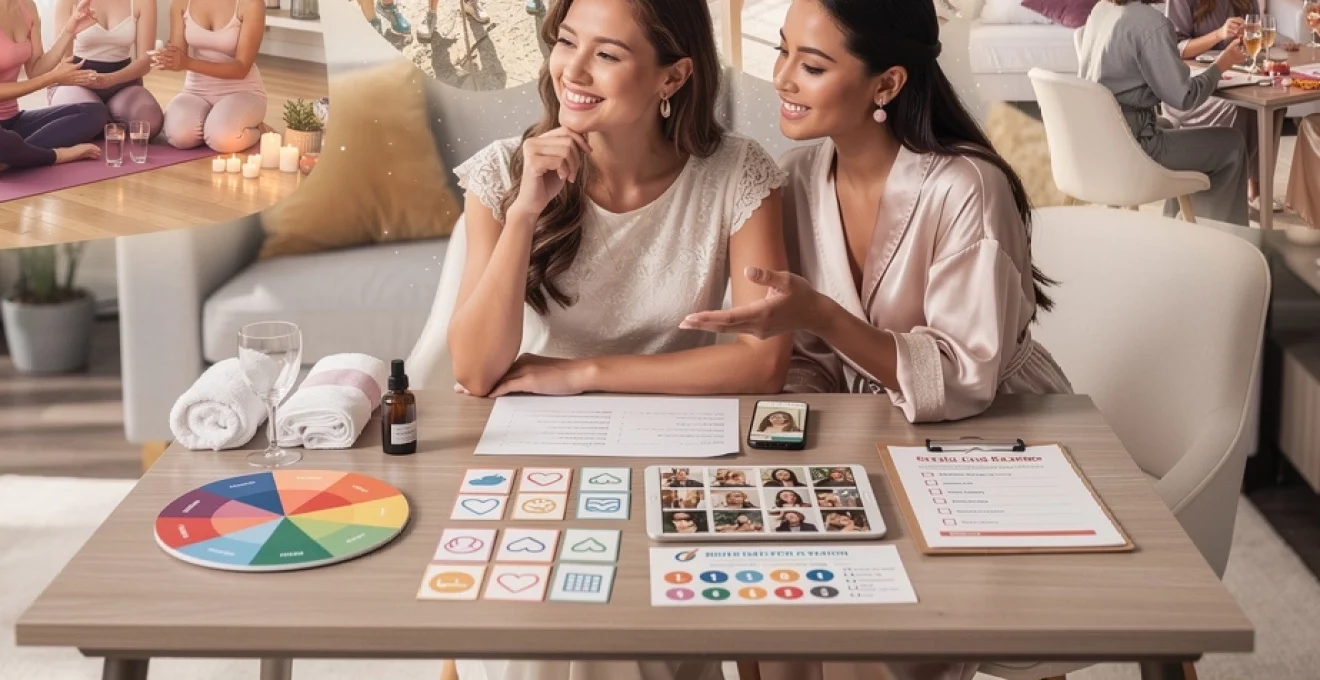
Planning a hen party that truly resonates with the bride-to-be requires far more than booking a generic spa day or arranging a night out in the city centre. The most memorable celebrations are those that reflect the authentic personality, values, and preferences of the woman being celebrated. With research showing that over 78% of brides feel their hen parties should be personalized rather than following traditional templates, the pressure on organizers to create something genuinely meaningful has never been higher. Understanding the bride’s unique character traits, social preferences, and comfort zones transforms a standard pre-wedding gathering into an unforgettable experience that she’ll cherish for years to come.
Personality profiling techniques to define the bride’s authentic preferences
Before diving into venue bookings and activity planning, successful hen party organization begins with comprehensive personality assessment. This foundational step ensures that every subsequent decision aligns with who the bride truly is, rather than what conventional wisdom suggests a hen party should be. The modern approach to hen party planning borrows techniques from psychology, marketing, and event management to create a detailed profile of the bride’s authentic self.
Myers-briggs type indicator analysis for event planning alignment
The Myers-Briggs Type Indicator (MBTI) framework offers valuable insights into how individuals recharge their energy, process information, and interact with their environment. An introverted bride (I) may find a weekend-long house party with twenty guests absolutely exhausting, whilst an extroverted bride (E) might feel underwhelmed by an intimate dinner for six. Understanding whether your bride is a Sensing (S) type who appreciates tangible, hands-on experiences or an Intuitive (N) type who values conceptual and creative activities can dramatically influence your activity selection. Judging (J) personalities typically appreciate structured itineraries with clear timelines, whereas Perceiving (P) types might prefer a more flexible, spontaneous approach to the celebration.
Conducting conversational discovery through maid of honour intelligence gathering
The bride’s closest friends and family members serve as invaluable intelligence sources when planning a truly personalized celebration. Strategic conversations with bridesmaids, sisters, and long-time friends can reveal preferences the bride herself might not explicitly articulate. When conducting these discovery sessions, focus on open-ended questions about her recent leisure activities, the types of social gatherings she genuinely enjoys versus those she attends out of obligation, and any experiences she’s mentioned wanting to try. Pay particular attention to stories about her happiest memories and most comfortable social situations. This qualitative research provides context that no questionnaire can capture, revealing the emotional drivers behind her preferences.
Social media behaviour pattern assessment for lifestyle clues
In today’s digital age, social media profiles offer a treasure trove of personality insights for the observant planner. Analyze which types of content your bride engages with most frequently—does she save posts about outdoor adventures, cozy reading nooks, gourmet dining experiences, or creative DIY projects? Her Instagram stories, Pinterest boards, and TikTok likes reveal unfiltered interests that she pursues in her leisure time. Notice whether she shares content about intimate gatherings or large celebrations, active pursuits or relaxation activities, sophisticated experiences or playful adventures. This digital footprint provides authentic preference data that reflects her true lifestyle rather than socially acceptable answers she might give in direct conversation.
Interest inventory questionnaires disguised as wedding planning tools
Whilst direct questioning can sometimes yield guarded or people-pleasing responses, creatively disguised questionnaires often elicit more honest answers. Frame your information gathering as general wedding planning support—asking about preferred colour schemes, music playlists for the reception, or dietary preferences for catering—whilst actually collecting valuable hen party planning data. Questions about her ideal Saturday afternoon, dream holiday destination, or favourite way to celebrate achievements provide insights without the pressure of knowing these answers will directly shape her hen party. This approach works particularly well with brides who struggle to articulate their own desires or feel uncomfortable being the centre of attention.
Thematic hen party concepts tailored to specific personality archetypes
Once you’ve developed a comprehensive understanding of the bride’s personality, the next step involves translating those
Once you’ve developed a comprehensive understanding of the bride’s personality, the next step involves translating those insights into a coherent hen party concept. Rather than choosing activities at random, you can now build a thematic experience that feels like a three-dimensional version of the bride’s inner world. Below, we explore several personality-driven hen party ideas and how to adapt them so they feel bespoke rather than off-the-shelf.
Wellness retreat experiences for introverted and mindfulness-oriented brides
For brides who recharge through solitude or calm connection rather than high-energy crowds, a wellness-focused hen party can be the ideal match. Think of this as creating a mini retreat rather than a traditional party: slow mornings, nourishing food, and carefully curated moments of relaxation. Activities such as yoga sessions, guided meditation, breathwork classes, or restorative sound baths suit brides who value inner peace and emotional depth over external spectacle.
To organize a hen party that feels like a true wellness escape, prioritise venues that offer quiet, private spaces—boutique countryside cottages, spa hotels with relaxation lounges, or even a rented villa with a hot tub and garden area. Build the schedule around natural energy rhythms: gentle movement and breakfast in the morning, spa treatments or nature walks in the afternoon, and candlelit conversations in the evening. You can still incorporate classic hen elements, such as games and toasts, but keep them low-key, inclusive, and free from pressure to perform.
Mindfulness-oriented brides often appreciate symbolic gestures, so consider adding reflective rituals such as a gratitude circle, a journal-writing session, or a guided intention-setting activity for the marriage ahead. These quieter moments create emotional depth and meaningful memories without forcing the bride into the spotlight. When done well, a wellness hen party doesn’t feel “boring” at all—it feels like a rare opportunity for everyone to slow down and truly connect.
Adventure-based activities for thrill-seeking extroverted personalities
At the other end of the spectrum are brides who come alive in high-energy environments and thrive on shared adrenaline. For an outgoing, thrill-seeking bride, a hen party built around adventure activities can be far more memorable than a standard night out. Options might include zip-lining, white-water rafting, go-karting, high ropes courses, surfing lessons, or even an indoor climbing session followed by cocktails. The key is to create a sense of camaraderie and shared challenge that the whole group can enjoy.
When planning an adventure-based hen party, pay careful attention to accessibility and comfort levels. Not every guest will share the bride’s appetite for risk, so offer tiered participation: spectators can still be involved through photo-taking, cheering from the sidelines, or taking part in a milder version of the activity. Think of it like designing a roller coaster with different height requirements—no one should feel forced onto the biggest ride if they’re not ready, but everyone should feel welcome at the theme park.
To keep the day balanced, counter intense activities with social downtime. Schedule a relaxed lunch in a scenic location, or finish the day with a celebratory dinner where everyone can relive the highlights together. Extroverted brides will also appreciate opportunities for group banter and interactive games on the way to and from activities, so consider hiring a minibus or party bus to keep the energy high between locations. With thoughtful planning, you can deliver an unforgettable adventure while still ensuring safety, comfort, and inclusivity for the full guest list.
Creative workshop formats for artistic and crafting enthusiasts
For brides who express themselves through art, design, or making things with their hands, a creative workshop-style hen party can be a perfect fit. Instead of centring the event around alcohol or nightlife, you can focus on the joy of learning, making, and sharing. Popular options include pottery classes, candle-making, floral arranging, jewellery design, life drawing, cake decorating, or even a group photoshoot with a stylist and photographer.
When you organize a hen party around creative workshops, choose an instructor or studio that welcomes groups and understands the hen party dynamic. The ideal facilitator strikes a balance between professionalism and playfulness—encouraging guests, providing clear guidance, and allowing plenty of time for conversation and laughter. Think of the workshop as both an activity and an icebreaker: it gives guests who don’t know each other something to talk about and a shared goal to focus on.
An added advantage of creative hen party formats is that they naturally produce keepsakes. Guests can take home the items they’ve made—ceramic mugs, flower crowns, or personalised candles—as tangible reminders of the celebration. To personalise things further, you might incorporate the bride’s wedding colours, initials, or date into the designs. This approach turns the hen party into a collaborative, hands-on way to honour the upcoming wedding, rather than a completely separate, one-off event.
Luxury pamper sessions for sophistication-driven traditional brides
Some brides instinctively gravitate towards elegance, tradition, and a touch of glamour. For this archetype, a luxury pamper-focused hen party can feel effortlessly aligned with her tastes. Imagine a day that flows from champagne brunch to spa treatments, followed by a beautifully styled dinner in a refined restaurant or private dining room. Instead of loud novelty props, think silk pyjamas, monogrammed robes, and chic accessories that feel more “editorial photoshoot” than “fancy dress”.
To organize a truly luxurious hen party, focus on quality over quantity. A smaller number of premium experiences will often feel more special than a packed schedule of average ones. Invest in high-end details the bride will notice: a curated welcome gift box, personalised place cards at dinner, or a professional make-up artist to get everyone camera-ready before the evening. These seemingly small touches tell the bride that care and thought have gone into every aspect of her celebration.
Traditional brides may still enjoy some classic hen elements—speeches, toasts, and perhaps a light-hearted game or two—but they are likely to prefer activities that preserve a sense of poise and dignity. Make sure any surprises or entertainment respect her boundaries and public image; if in doubt, err on the side of classy rather than outrageous. When the hen party atmosphere reflects her sense of sophistication, she will feel seen, respected, and genuinely celebrated.
Budget allocation strategies that honour individual values and priorities
Once you have a clear personality-aligned concept, the next challenge is making it financially realistic for everyone involved. A well-planned hen party budget is not about spending as little as possible; it is about directing funds towards the elements that matter most to the bride and her guests. In recent surveys, over 60% of attendees cited unclear or escalating costs as the main source of hen party stress, so transparent budgeting is as important as creative vision.
Start by confirming a comfortable price range with the core group—usually the maid of honour, close family, and the bride herself if she is contributing. Then, map that figure against major cost categories: accommodation, travel, activities, food and drink, décor, and contingency. Ask yourself: where will the bride notice quality the most? For some, it might be a stunning venue and great food; for others, it could be a standout activity or beautifully curated gift bags. Allocate a higher proportion of the budget to those priority areas and pare back on details she is less likely to value.
One effective strategy is to design a modular hen party programme with optional add-ons. For example, you might set a core package that covers accommodation, simple meals, and one main activity, then offer extras such as spa treatments, cocktail masterclasses, or upgraded travel for those who wish to spend more. This flexible approach reduces financial pressure on guests with tighter budgets while still allowing others to upgrade their experience. Clear communication—ideally via a shared document or information pack—ensures everyone knows the payment schedule, what is included, and when final balances are due.
Finally, remember to include a small contingency fund (around 5–10% of the total budget) for last-minute changes, unexpected taxis, or replacement items. Think of this as your safety net: it allows you to make sensible on-the-spot decisions without endlessly chasing contributions or cutting corners. When your financial planning aligns with the bride’s values—whether that means simple and affordable or luxurious and indulgent—you create a hen party atmosphere where guests can relax and enjoy themselves without worrying about money.
Guest list curation methods based on bride’s social circle dynamics
The guest list is one of the most sensitive and impactful aspects of hen party planning. Inviting the right mix of people can transform a good concept into a truly exceptional experience, while an unbalanced group can undermine even the best-organised itinerary. Rather than treating the guest list as a simple roll call of names, think of it as curating a social ecosystem that supports the bride’s personality and emotional comfort.
Navigating mixed friend groups from different life chapters
Most modern brides move through several distinct life stages—school, university, early career, current job, hobbies—accumulating close friends from each. Bringing these groups together for the first time can feel both exciting and daunting. As the organiser, your role is part event planner, part social architect: you need to anticipate where connections will naturally form and where you might need to facilitate introductions. Mixed friend groups can be a strength if you approach them with intention.
One useful tactic is to identify “bridge people”—guests who are naturally sociable or have overlapping backgrounds with multiple groups—and brief them in advance to help conversations flow. You can also design simple icebreaker activities tailored to the bride’s personality, such as a quiz about her life or a “guess the memory” game where each guest submits a favourite story. These shared tasks act like social glue, reducing the feeling of separate cliques and creating one unified hen party circle.
When deciding who to invite from each life chapter, prioritise depth of connection over sheer numbers. Ask the bride which relationships feel most meaningful today, not just who she used to see regularly five or ten years ago. A smaller group of genuinely close friends from different eras will usually generate a warmer, more cohesive atmosphere than a large list of distant acquaintances. Your goal is to surround the bride with people who know, respect, and celebrate who she is now.
Managing family expectations versus personal friendship preferences
Balancing family involvement with the bride’s own friendship preferences can be one of the trickiest parts of organizing a hen party. Some brides dream of a multi-generational celebration with mothers, aunts, and in-laws; others would prefer a strictly peer-group event. Cultural traditions can also play a significant role, with expectations about who “should” be invited varying widely between families. The key is to clarify the bride’s comfort levels early and then manage expectations diplomatically.
If the bride is hesitant about mixing family with wilder activities, consider a two-part structure. You could host a daytime element—such as afternoon tea, a creative workshop, or a relaxed brunch—that includes close family members, followed by a more private evening segment designed around her friends’ dynamic. Think of it as programming for two overlapping audiences: everyone gets to celebrate, but each in the context that suits them best.
Open, respectful communication is essential. Where necessary, position decisions in terms of practicality and the bride’s wellbeing rather than personal rejection: “We’re keeping the evening numbers small so she doesn’t feel overwhelmed” often lands better than “She doesn’t want X to come.” As long as the bride feels supported and heard, you can usually find a compromise that honours both family ties and the intimate friendships that have shaped her adult life.
Optimal group size considerations for introverts versus extroverts
Group size dramatically shapes the social atmosphere of a hen party, and it should be chosen with the bride’s personality in mind. For introverted brides, very large groups can feel draining, even if they love each person individually. They may be happiest with 6–10 attendees, allowing for deeper conversation and fewer competing demands on their attention. Extroverted brides, by contrast, often gain energy from larger gatherings and may relish a group of 15–25, especially if the activities are high-tempo and varied.
When you organize a hen party that feels “just right” in scale, think about the types of interactions the bride enjoys. Does she prefer one-to-one chats and small circles, or does she naturally hold court and tell stories to a crowd? You can also consider logistical factors: intimate groups are easier to accommodate in boutique venues and rental properties, while larger parties may need more formal arrangements such as private dining rooms, coaches, or pre-booked areas in bars.
If there is pressure to invite more people than the bride would ideally choose, you can again employ a layered approach. Host a larger, informal pre-wedding gathering or mixed-gender celebration for extended circles, and reserve the hen party itself for a closer inner group. This structure allows you to maintain the emotional integrity of the hen experience—tailored to the bride’s energy levels—without excluding important individuals from the broader wedding season.
Venue selection criteria reflecting personal comfort zones and aspirations
The venue is far more than a backdrop; it is the physical embodiment of the bride’s comfort zone and aspirations. When chosen well, it amplifies everything you know about her personality. An introvert may feel most at home in a secluded countryside cottage with cosy communal spaces and private bedrooms, while an extrovert could thrive in a vibrant city centre apartment with easy access to nightlife. Some brides dream of rustic barns and open fields; others imagine sleek rooftop bars and five-star hotels.
When narrowing down options, begin by mapping the bride’s lifestyle preferences against practical constraints such as travel time, accessibility for guests, and budget. Ask yourself: does she gravitate towards urban experiences or nature escapes in her everyday life? Does she feel more relaxed in informal, home-like settings, or does she enjoy the polish and structure of professional hospitality environments? Matching the hen party venue to these tendencies will make the entire group feel more at ease.
Also consider how the space will function over the course of the event. Are there quiet corners for guests who need a breather, as well as communal areas for games, meals, and activities? Is there enough privacy for getting ready, particularly if you are planning professional hair and make-up? Does the décor and existing atmosphere align with your chosen theme, or will you need significant styling to make it work? By treating venue selection as an extension of the personality profiling process, you ensure that the surroundings naturally support the emotional tone you want to create.
Personalisation elements that transform generic events into meaningful celebrations
Once the foundational decisions—theme, budget, guest list, and venue—are in place, personalisation is what elevates the hen party from “nice” to genuinely unforgettable. These details act like the bride’s fingerprint on the event, turning generic experiences into something that could only belong to her. Rather than relying on off-the-shelf decorations and standard playlists, you can weave her tastes, stories, and quirks into every layer of the celebration.
Custom décor schemes incorporating favourite colours and design aesthetics
Décor is often the first thing guests notice when they arrive, and it sets immediate expectations for the style and mood of the hen party. Drawing on the information you have gathered—through questionnaires, conversations, and social media analysis—create a colour palette and aesthetic that reflect the bride’s personal brand. Is she drawn to soft neutrals and minimalism, bold jewel tones, romantic florals, or playful pastels? Use these cues to guide your choices of balloons, tableware, signage, and textiles.
Instead of filling the space with generic hen party paraphernalia, look for décor that ties directly to her story. You might display framed photos from different stages of her life, create a “memory washing line” with Polaroids and captions, or design a feature wall with quotes she loves. Think of the venue as a three-dimensional mood board dedicated to the bride. Even a modest budget can go a long way when you focus on a cohesive concept rather than a random assortment of themed items.
If the bride has a strong design eye, she may appreciate subtle, elevated touches such as linen napkins in her wedding colours, hand-lettered place cards, or a bespoke welcome sign featuring her name and the date. For more relaxed personalities, simple but thoughtful details—like personalised cups or reusable tote bags in her favourite shade—can be just as impactful. The goal is to make her feel instantly recognised in the space the moment she walks through the door.
Curated playlist development matching musical taste profiles
Music has a powerful ability to shape atmosphere and evoke memories, yet hen party playlists are often an afterthought. To truly match the celebration to the bride’s personality, treat music curation as seriously as venue selection. Start by identifying the soundtracks of her life: which artists, genres, or eras does she return to again and again? Does she lean towards nostalgic 90s pop, indie rock, Afrobeats, R&B slow jams, or upbeat dance anthems?
You can gather this information informally—asking in the group chat for guests’ favourite “bride songs”—or by quietly reviewing her most-played tracks and saved playlists. Build separate playlists for different phases of the hen party: a chilled mix for arrival and brunch, a singalong-heavy list for getting ready, and a high-energy sequence for games and dancing. Think of it like scoring a film: each scene deserves a soundtrack that supports its emotional arc.
To add an extra layer of personalisation, invite each guest to nominate one song that reminds them of the bride, then weave these into the evening playlist. Introduce a short moment where you explain why certain songs were chosen—it can lead to hilarious stories and poignant memories. A carefully curated musical journey not only keeps energy levels flowing naturally but also anchors the celebration in the shared history of the group.
Bespoke activity scheduling aligned with energy levels and preferences
Even the best activities can fall flat if they are scheduled at the wrong time of day for the bride’s natural energy patterns. Early risers may love a packed morning of movement followed by restful afternoons, while night owls prefer leisurely starts and peak social time after dark. When you organize a hen party that truly matches her personality, you go beyond asking “what should we do?” and also ask “when will this feel best for her?”
Use your understanding of her typical routines—gleaned from conversations and observation—to design a gentle energy curve for the event. For example, you might begin with low-pressure interactions such as coffee, snacks, and informal chats, then build gradually towards more structured games or high-energy activities once everyone has warmed up. Schedule emotionally significant moments, such as speeches or surprise messages from the groom, for times when the bride is likely to feel relaxed and receptive rather than rushed.
It can help to think of the day as a series of “beats”, like a well-edited playlist: quiet, loud, reflective, celebratory. By alternating intensity rather than stacking all the busiest moments together, you reduce the risk of burnout for both introverts and extroverts. This kind of thoughtful pacing is often invisible when done well, but it has a huge impact on how smoothly the hen party feels and how much the bride is able to genuinely enjoy it.
Dietary accommodation planning for health-conscious or restriction-based lifestyles
Food is a core part of almost every hen party, and aligning catering with the bride’s lifestyle is a vital personalisation element. Whether she follows a specific diet for health reasons, ethical beliefs, or simple personal preference, nothing says “we see you” quite like menus that reflect those choices without making her feel singled out. With around one in three adults now reporting some form of dietary restriction or preference, thoughtful food planning also shows consideration for the wider group.
Begin by discreetly collecting information on allergies, intolerances, and preferences—vegan, vegetarian, gluten-free, halal, alcohol-free—well in advance. Share these details with caterers or restaurants so they can propose inclusive options rather than last-minute substitutions. If you are self-catering, plan menus where the default dishes naturally suit the bride (for instance, plant-based sharing plates or lighter, health-focused brunches) and add side options for other tastes. This approach avoids making her feel like the “special case” at her own celebration.
For health-conscious brides, consider weaving their favourite rituals into the day: a smoothie bar in the morning, mocktail options alongside prosecco, or a beautifully presented grazing table with fresh fruit, nuts, and high-quality snacks. You might even turn food into an interactive element, such as a build-your-own bowl station or a group cooking class tailored to her cuisine of choice. When food and drink choices reflect the bride’s values and habits, they become another powerful way of aligning the hen party with her authentic personality, rather than forcing her to compromise for the sake of tradition.