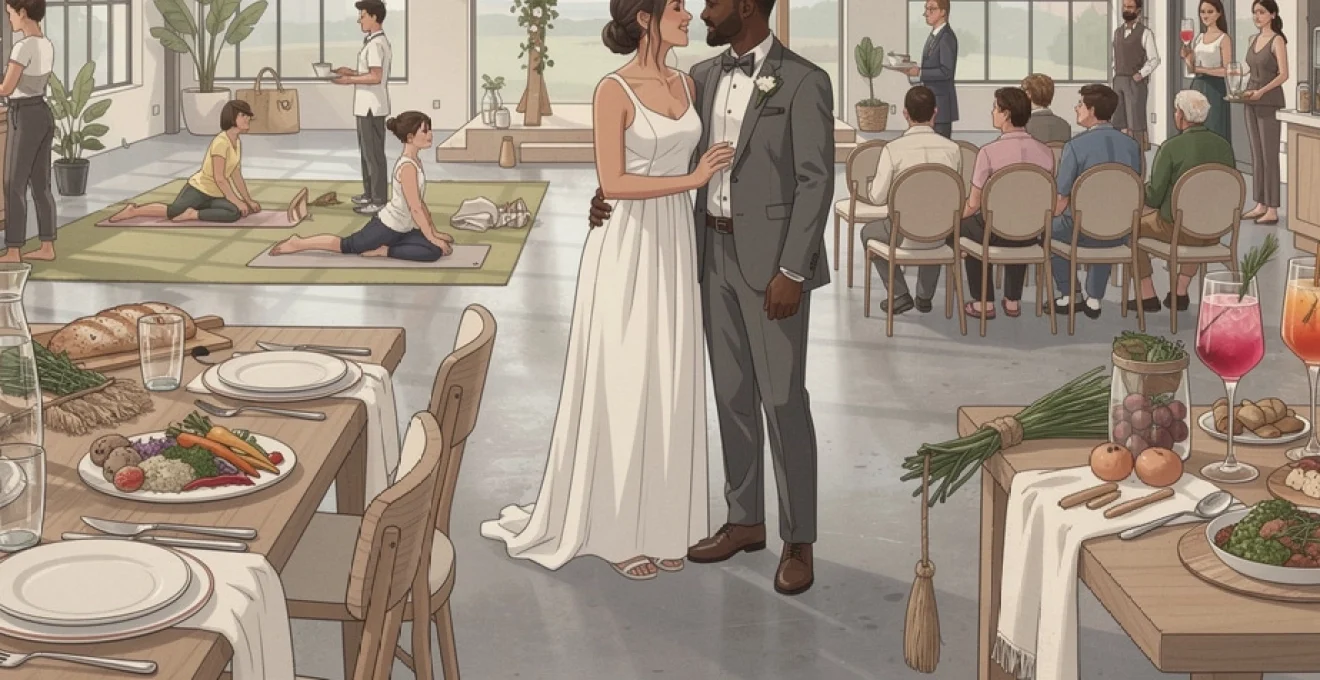
Modern weddings are experiencing a profound transformation, driven by evolving lifestyle preferences that prioritise authenticity, sustainability, and personal wellbeing. Today’s couples are moving beyond traditional wedding formulas, instead crafting celebrations that reflect their values, environmental consciousness, and digital-native mindset. These shifting priorities are reshaping every aspect of wedding planning, from venue selection and menu design to guest experiences and technological integration.
The contemporary wedding landscape reveals a fascinating intersection between personal values and celebratory traditions. Couples are increasingly seeking ways to align their special day with their everyday lifestyle choices, creating celebrations that feel genuinely representative of who they are as individuals and as partners. This evolution reflects contemporary lifestyle inspiration spanning mindful consumption, wellness-focused living, and technology-enhanced experiences that are fundamentally changing how weddings are conceived, planned, and executed.
Sustainable wedding planning and Eco-Conscious consumer behaviour
Environmental consciousness has become a defining characteristic of modern wedding planning, with couples increasingly prioritising sustainability across every aspect of their celebration. This shift reflects a broader lifestyle trend towards eco-conscious consumption that extends far beyond wedding day decisions. The sustainable wedding movement encompasses everything from venue selection and catering choices to décor materials and guest transportation, creating a comprehensive approach to environmentally responsible celebration planning.
Zero-waste wedding ceremonies and reception management
Zero-waste wedding planning represents one of the most significant developments in sustainable celebration design. Couples are implementing comprehensive waste reduction strategies that begin with digital planning tools and extend through post-celebration disposal methods. These approaches include eliminating single-use items, implementing composting systems, and designing reusable décor elements that can be repurposed or donated after the event. The zero-waste philosophy requires careful coordination with vendors, venues, and guests to ensure every element of the celebration contributes to environmental stewardship rather than waste generation.
Locally-sourced catering and Farm-to-Table menu design
Farm-to-table wedding catering has evolved from a trendy option to an expected standard among environmentally conscious couples. This approach emphasises seasonal ingredient sourcing from local producers, reducing transportation emissions while supporting regional agriculture. Wedding menus increasingly feature hyper-local ingredients, with some couples collaborating directly with farmers to create bespoke dining experiences that showcase regional flavours and sustainable growing practices. The farm-to-table movement also influences beverage programs, with locally distilled spirits, regional wines, and craft beverages becoming central elements of wedding hospitality.
Biodegradable décor materials and Rental-Based event styling
The wedding décor industry has responded to sustainability demands by developing innovative biodegradable materials and expanding rental-based styling options. Couples are choosing natural, compostable materials like bamboo, cork, and organic cotton for table linens, signage, and ceremonial elements. The rental economy has transformed wedding styling, allowing couples to access luxury décor items without the environmental impact of single-use purchases. This approach includes everything from vintage furniture and specialty lighting to unique architectural elements that can be returned and reused for future celebrations.
Carbon-neutral venue selection and transportation logistics
Wedding venue selection increasingly considers environmental impact, with couples prioritising locations that demonstrate sustainability commitments through renewable energy use, water conservation, and waste management programs. Carbon-neutral venues are becoming more prevalent, offering environmentally certified spaces that align with couples’ eco-conscious values. Transportation logistics play a crucial role in sustainable wedding planning, with couples organising group transportation, selecting venues accessible by public transport, and encouraging car-sharing among guests to minimise collective carbon footprints.
Digital-first wedding stationery and E-Invitation platforms
Traditional paper-based wedding stationery is being reimagined through digital-first approaches that reduce paper consumption while enhancing guest communication. Electronic invitation platforms offer sophisticated design options that rival traditional printing while providing real-time RSVP tracking and guest management capabilities. When couples do choose physical stationery, they’re selecting recycled papers, plant-based inks, and minimal packaging. The digital transformation of wedding communications extends beyond invitations to include digital programs, menu displays, and thank-you messages that eliminate paper waste while maintaining elegance and personalisation.
Minimalist aesthetic
Minimalist aesthetic philosophy in contemporary wedding design
The rise of minimalist lifestyle trends has significantly influenced how couples approach wedding aesthetics. Rather than focusing on excess, modern celebrations often prioritise intentional design, clean lines, and a curated selection of meaningful details. Minimalism in wedding planning is less about having “less” and more about creating clarity: every design choice, from venue styling to stationery, serves a purpose and reflects the couple’s values. This approach resonates strongly with professionals, urban couples, and those who value calm, uncluttered environments in their daily lives.
Scandinavian-inspired venue styling and neutral colour palettes
Scandinavian-inspired weddings draw directly from lifestyle trends that favour simplicity, natural materials, and functional beauty. Couples are embracing airy spaces, pale wooden textures, and soft, neutral colour palettes to create calm, welcoming environments that feel both modern and timeless. Rather than competing with the venue, décor is used to highlight existing architectural features, with candles, linen, and greenery providing quietly luxurious touches. This pared-back styling is particularly popular for couples seeking a minimalist wedding aesthetic that will photograph beautifully and age well over time.
Neutral wedding colour palettes no longer mean flat or boring. Warm whites, stone, sand, and soft greys are layered with subtle accents—olive, taupe, muted blush, or gentle charcoal—to add depth and sophistication. The focus is on texture rather than volume: think linen napkins, ceramic plates, raw silk ribbons, and matte cutlery rather than heavy florals or ornate centrepieces. For couples, this approach offers a calm backdrop that lets emotional moments, personal styling, and guest interactions become the true focal points of the day.
Marie kondo-influenced wedding registry curation
The “does it spark joy?” philosophy has reshaped how couples think about wedding registries and gifts. Instead of long lists of traditional items, many are creating intentionally short, highly curated registries that align with their actual lifestyle. This might include a handful of high-quality, timeless items—artisan cookware, design-led homeware, or investment furniture—rather than dozens of objects that risk becoming clutter. In parallel, experiential gifts such as travel contributions, memberships, or workshops are on the rise, reflecting a preference for experience-led living over accumulation.
Minimalist registry curation also mirrors broader sustainability and financial wellness trends. Couples are increasingly transparent with guests about preferring fewer, better things and are using online platforms that allow for cash funds, charity donations, and flexible gifting options. You might, for example, create categories like “Future home improvement fund” or “Local art for our home” instead of specifying every individual item. This method respects guests’ desire to give something meaningful while helping you avoid the overwhelm that can come from receiving gifts that do not suit your long-term lifestyle.
Micro-wedding guest list optimisation strategies
The shift towards micro-weddings is closely connected to minimalist lifestyle thinking, where quality of connection is prioritised over size and spectacle. Couples are increasingly choosing to host smaller gatherings—often under 50 guests—to allow for deeper conversations, elevated menus, and more personalised experiences. Rather than feeling like a compromise, a micro-wedding can feel like a luxury retreat, with budget diverted from headcount towards design, food, and bespoke touches for each attendee. This trend also reflects changing social patterns, as couples often have wide digital networks but smaller in-person circles they truly want present.
Optimising a micro-wedding guest list can be emotionally challenging, but intentional criteria make decisions easier. Some couples invite only those they see regularly, have travelled with, or who have actively supported their relationship. Others create tiered celebrations—a very small ceremony, followed by a larger party later on—to balance intimacy and inclusivity. Whatever method you choose, a clear vision of the atmosphere you want to create will guide guest list decisions and reduce stress. The result is often a celebration where you recognise every face, remember every conversation, and feel genuinely present.
Architectural venue selection and industrial space utilisation
Minimalist design trends have driven demand for venues with strong architectural character—think converted warehouses, industrial lofts, modern galleries, and glasshouses. These spaces often feature exposed brick, steel beams, concrete floors, or floor-to-ceiling windows that act as ready-made design statements. In such settings, couples can embrace a “less but better” philosophy, using lighting, a few sculptural floral arrangements, and carefully chosen furniture to complement the existing structure. This approach aligns with contemporary design culture, where architectural wedding venues function almost like an art installation in their own right.
Industrial spaces are also flexible canvases for both minimalist and maximalist interpretations. For couples who gravitate towards understated styling, scaled-back décor allows the building’s lines, shadows, and natural light to shine. For those wanting to blend minimalism with drama, architectural backdrops pair beautifully with bold colour blocking, large-scale draping, or statement floral installations. In practical terms, such venues often support modern technology, creative floor plans, and hybrid events, making them ideal for lifestyle-driven couples who want form and function to work seamlessly together.
Wellness-centric wedding experiences and mindful celebration planning
As wellness and mental health become central to everyday life, they are naturally shaping how couples design their wedding experiences. Instead of viewing the day as a high-pressure performance, many are reframing it as a mindful celebration that supports their emotional wellbeing and that of their guests. This can mean building rest into the schedule, choosing venues that feel restorative, and curating food, music, and activities that nourish rather than exhaust. The result is a wedding that feels more like a holistic retreat than a single, overwhelming event.
Meditation and yoga integration in wedding weekend itineraries
Wellness culture has inspired couples to weave practices like meditation, breathwork, and yoga into their wedding weekend itineraries. Morning yoga on the lawn, guided meditation before the ceremony, or a quiet mindfulness session for the wedding party can ease nerves and create a sense of grounded connection. These elements are particularly popular at destination venues, estates, and countryside retreats where nature provides a natural backdrop for reflection. The aim is not to turn the event into a spa retreat, but to introduce small, meaningful rituals that support emotional calm.
From a practical perspective, integrating wellness moments can also help with time management and group dynamics. Scheduled quiet time before hair and makeup, for example, gives you a chance to reconnect as a couple or with your closest friends. Guests who don’t practise yoga or meditation regularly often appreciate the novelty and the opportunity to slow down. You might offer optional sessions to keep things inclusive, ensuring that those who prefer a more traditional pre-wedding routine can still enjoy the day in their own way.
Plant-based menu development and nutritional consideration
The growing popularity of plant-based eating, flexitarian diets, and nutritional awareness is transforming wedding menu design. Couples are moving beyond a token vegetarian option towards fully plant-forward or predominantly plant-based menus that feel indulgent rather than restrictive. Creative chefs are using seasonal vegetables, grains, and innovative techniques to create dishes that are both visually striking and nutritionally balanced. As a result, a plant-based wedding menu can satisfy a wide range of dietary needs while reflecting guests’ everyday eating habits.
Health-conscious couples also consider how food impacts energy levels throughout the celebration. Lighter, nutrient-dense canapés, balanced mains, and low-sugar desserts help guests feel energised enough to dance late into the night. Late-night snacks—such as fresh flatbreads, fruit platters, or elevated bites—offer comfort without leaving everyone overly full. When planning, it helps to discuss not just flavours but also portion sizes, ingredient sourcing, and allergen management with your caterer. This ensures the menu supports wellbeing while still feeling celebratory and generous.
Mental health-conscious wedding planning timelines
A growing number of couples are planning their weddings with mental health in mind, recognising that the process itself can be as demanding as the day. Rather than cramming decisions into a few high-intensity months, many are spreading planning over a longer timeline to reduce pressure. This might involve booking key vendors early, creating realistic monthly task lists, and building in buffer periods where no major decisions are made. The goal is to keep planning aligned with work, family life, and personal bandwidth, rather than allowing it to take over entirely.
Setting boundaries is another key aspect of a mental health-conscious approach. This can include limiting wedding talk to certain times of the week, delegating tasks to trusted friends or a planner, and being transparent about budget and expectations from the start. Some couples even work with therapists or coaches to navigate family dynamics or pre-wedding anxiety. By treating emotional wellbeing as a non-negotiable part of the process, you reduce the risk of burnout and ensure you arrive at your wedding day feeling present, not depleted. After all, what’s the point of a beautifully styled celebration if you’re too exhausted to enjoy it?
Alcohol-alternative beverage programs and mocktail curation
As sober-curious and low-alcohol lifestyles gain traction, wedding drinks menus are evolving to become more inclusive. Rather than offering a single soft drink or basic juices, couples are commissioning full alcohol-free bars, curated mocktail lists, and sophisticated low-ABV options. Crafted with fresh ingredients, complex flavours, and thoughtful presentation, these drinks feel every bit as special as traditional cocktails. This shift supports guests who choose not to drink, are pacing themselves, or simply prefer interesting flavours over stronger alcohol.
Designing an alcohol-alternative wedding drinks menu can also contribute to a smoother-flowing event. Guests tend to stay energised for longer, and there’s often a noticeable reduction in late-night incidents or next-day regrets. You might offer a signature mocktail that mirrors your main cocktail, provide non-alcoholic sparkling for toasts, or highlight local kombucha and craft sodas. Clear labelling and thoughtful glassware ensure every guest feels included in the ritual of raising a glass, regardless of what they’re drinking.
Technology integration and digital wedding innovation
Digital innovation is reshaping almost every aspect of wedding planning, mirroring how technology underpins everyday life. Couples now expect seamless online experiences—from researching venues and comparing vendors to managing guest information and designing multimedia invitations. The result is a more efficient, data-informed planning process, alongside wedding days that incorporate interactive experiences, real-time sharing, and hybrid formats. Used thoughtfully, technology can enhance connection rather than distract from it, turning logistics and communication into smooth, almost invisible parts of the experience.
Virtual reality wedding planning and 3D venue visualisation
Virtual reality (VR) and 3D tools are transforming how couples explore venues and design layouts, especially for destination or long-distance weddings. Many venues now offer 3D walkthroughs or VR tours that allow you to “visit” from home, explore different floor plans, and test lighting scenarios. This technology is particularly useful when you’re comparing multiple locations or when one partner cannot attend every site visit in person. It also helps visual thinkers understand scale—how many tables will comfortably fit, how high ceilings feel, or how a ceremony layout will look from different angles.
Beyond venue selection, 3D visualisation tools are increasingly used for tablescapes, floral installations, and lighting designs. Planners and stylists can provide digital mock-ups that show how colours, textures, and décor pieces will interact within the space. Think of it as a digital dress rehearsal for your wedding design, helping you make confident decisions and avoid last-minute surprises. As these tools become more accessible, they are turning complex design choices into an engaging, collaborative part of the planning journey.
Ai-powered wedding vendor matching and contract management
Artificial intelligence is quietly streamlining some of the most time-consuming aspects of wedding planning. Smart platforms can analyse your budget, location, style preferences, and date to suggest suitable venues and vendors, saving hours of manual research. Some tools even scan reviews, availability calendars, and visual portfolios to recommend the best fit for your priorities. For couples who feel overwhelmed by choice, AI-powered wedding planning acts like a highly efficient assistant, narrowing the field so you can focus on meaningful conversations and creative decisions.
AI is also beginning to support contract management and communication. From template-based timelines and budget trackers to automated reminders for payments and deadlines, technology helps keep everything on schedule. While it can never replace human judgement or personal relationships with suppliers, it does reduce the risk of missed details and miscommunication. Used wisely, AI tools can free up your time and mental energy, allowing you to spend more of your planning journey on the parts that feel inspiring rather than administrative.
Live-streaming technology for hybrid wedding ceremonies
Hybrid weddings, where some guests attend in person and others join remotely, have moved from necessity to thoughtful choice. High-quality live-streaming technology now allows friends and family around the world to witness the ceremony, speeches, and key moments in real time. This approach is especially valuable for couples with international connections, older relatives who cannot travel, or guest lists carefully kept small. Instead of feeling excluded, remote guests can engage via comments, virtual guestbooks, or even remote toasts.
To make hybrid weddings feel intentional rather than improvised, couples are treating streaming as a dedicated experience. This might involve a professional videographer handling the feed, a clear audio setup for vows and speeches, and a designated host to greet online guests. Some couples send mini celebration kits—confetti, snacks, or printed programmes—to at-home attendees so they can mirror the in-person experience. When executed thoughtfully, live-streaming becomes an extension of hospitality, not just a technical add-on.
Social media integration and instagram-optimised event design
Social media continues to influence wedding styling and guest experience, but in more nuanced ways than simple “Instagrammable” backdrops. Couples are designing key moments—such as the ceremony entrance, first dance, or cake cutting—with both in-person atmosphere and visual storytelling in mind. Thoughtful lighting, cohesive colour palettes, and strong focal points all translate well on camera while also enhancing the real-life ambience. Many couples create subtle photo zones rather than a single photo booth, encouraging organic, candid content rather than staged images.
At the same time, there is growing awareness of digital boundaries. Some couples request an “unplugged” ceremony, asking guests to be fully present and leave photography to professionals, then invite sharing and tagging during the reception. Custom hashtags, shared albums, and dedicated QR codes help consolidate images without dominating the experience. In this sense, social media and wedding design are evolving from pure spectacle towards storytelling—capturing authentic emotion while preserving the intimacy of the day.
Artisanal craftsmanship and bespoke wedding elements
The broader lifestyle shift towards supporting independent makers and slow design is strongly reflected in contemporary weddings. Couples are increasingly drawn to artisanal, handcrafted details that bring warmth, story, and individuality to their celebration. From hand-thrown ceramics and custom calligraphy to small-batch candles and bespoke jewellery, these elements act like “touchpoints” of personality throughout the day. They also align with sustainability values, as investment in craft often goes hand in hand with quality, longevity, and ethical production.
Bespoke wedding elements can appear in almost every aspect of the event. You might commission an artist to create a custom illustration for your invitations, menus, and signage, or work with a local potter to design keepsake place settings that guests can take home. Tailored fashion is another expression of this trend: made-to-measure suits, altered vintage gowns, or custom accessories that reflect family heritage and cultural identity. These details may not be the largest line item in the budget, but they often become some of the most cherished memories and heirlooms.
For many couples, prioritising craftsmanship is also a way of aligning their wedding with how they live day to day. If you already choose handmade objects for your home, shop from local markets, or value slow fashion, it feels natural to embed these principles into your celebration. The key is to focus on a few meaningful commissions rather than trying to make everything bespoke. Choose the areas that matter most—such as rings, paper goods, or tableware—and allow those artisanal touches to set the tone for the rest of your design.
Destination wedding evolution and remote celebration logistics
Destination weddings are evolving in step with changing travel habits, economic considerations, and a renewed respect for guests’ time and resources. Rather than choosing far-flung locations for novelty alone, couples are prioritising places that hold personal meaning or are easily accessible to most attendees. At the same time, there is a noticeable rise in “destination-style” celebrations closer to home—countryside estates, coastal towns, or historic cities that offer an escape without long-haul flights. This aligns with broader lifestyle trends that value slow travel, cultural authenticity, and thoughtful environmental impact.
Logistics for remote and destination weddings are also becoming more sophisticated. Couples are creating detailed digital guides, interactive maps, and weekend itineraries that help guests navigate transport, accommodation, and local attractions. Group transfers, coordinated arrival times, and clear communication around dress codes and weather contingencies all contribute to a smoother experience. Technology supports this planning, from shared messaging channels to online FAQs and RSVP forms that gather travel details in advance.
Perhaps the most significant change is the emphasis on experience over spectacle. Destination weddings are increasingly structured as multi-day gatherings that blend sightseeing, shared meals, wellness activities, and relaxed downtime. Welcome drinks, casual brunches, or local excursions—such as vineyard tours, hikes, or cultural visits—turn the wedding into a shared adventure rather than a single formal event. For couples whose lifestyle already prioritises travel, community, and meaningful experiences, this approach offers a way to bring their favourite people into the kind of world they love to inhabit together.