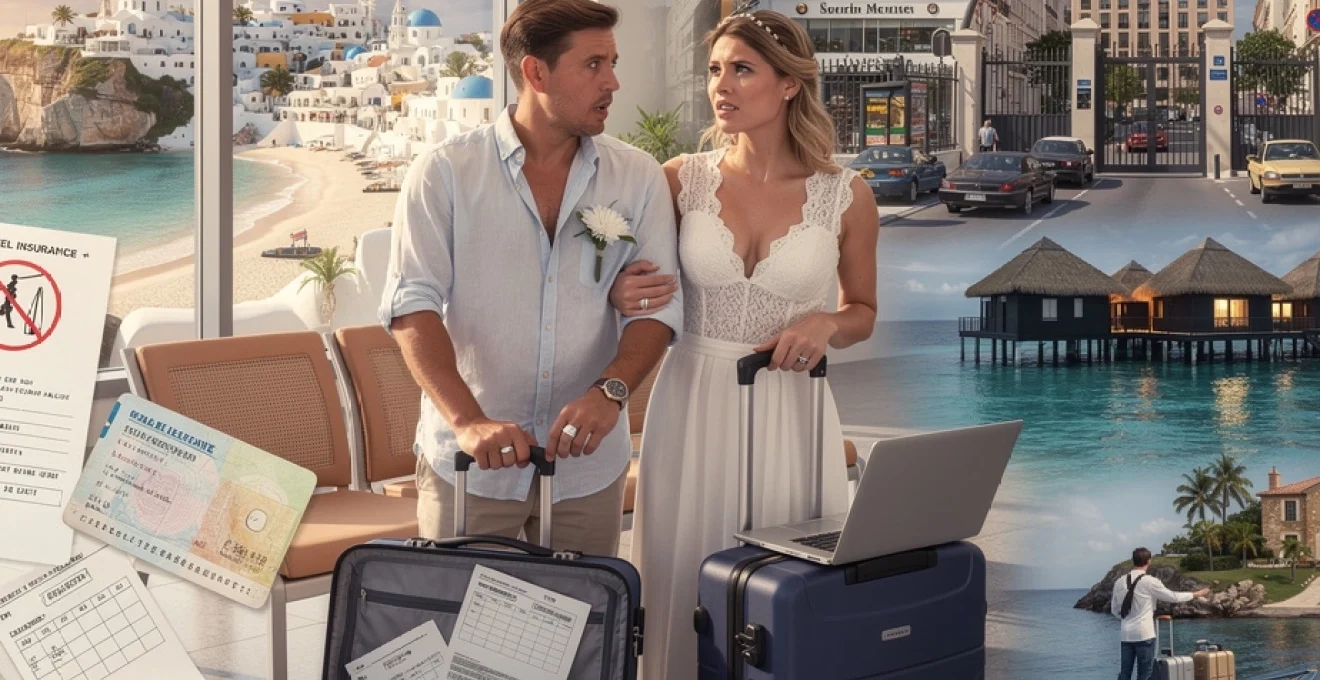
Planning the perfect honeymoon should be one of life’s most exciting adventures, yet countless newlyweds find themselves grappling with preventable disasters that transform their dream getaway into a costly nightmare. From visa documentation failures that strand couples at airports to accommodation booking scams that leave them homeless in paradise, the stakes have never been higher for honeymoon planning precision. The difference between a romantic escape and a relationship-testing ordeal often lies in understanding the intricate pitfalls that await unsuspecting couples venturing into unfamiliar territories. Modern honeymoon planning requires navigating complex international regulations, fluctuating currency markets, and increasingly sophisticated booking scams that target vulnerable newlyweds.
Pre-departure planning catastrophes that sabotage dream honeymoons
The foundation of any successful honeymoon lies in meticulous pre-departure preparation, yet this critical phase harbours the most devastating potential mistakes that can derail entire vacations before couples even leave their home country. These planning catastrophes manifest across multiple dimensions of travel preparation, from bureaucratic documentation requirements to financial miscalculations that compound exponentially once abroad.
Visa documentation failures for schengen area and caribbean destinations
Visa documentation represents one of the most unforgiving aspects of international honeymoon travel, where a single oversight can result in immediate deportation or entry denial at destination airports. The Schengen Area, encompassing 27 European countries, requires British passport holders to obtain advance authorisation through the European Travel Information and Authorisation System (ETIAS), which becomes mandatory in 2024. Many couples mistakenly assume their pre-Brexit travel privileges remain intact, only to discover at check-in that their documentation is insufficient for entry.
Caribbean destinations present equally treacherous visa requirements, with islands like Cuba requiring tourist cards purchased in advance, whilst others such as Trinidad and Tobago demand proof of onward travel and accommodation confirmation. The complexity multiplies when couples hold different passport nationalities, as visa requirements can vary dramatically based on citizenship. Processing times for visa applications can extend up to six weeks during peak travel seasons, making last-minute applications virtually impossible to fulfil.
Travel insurance policy exclusions for adventure activities in costa rica and new zealand
Adventure honeymoon destinations like Costa Rica and New Zealand attract thrill-seeking couples with promises of zip-lining through cloud forests and bungee jumping off towering bridges, yet standard travel insurance policies contain extensive exclusions that leave couples financially exposed during high-risk activities. Costa Rica’s adventure tourism industry operates under different safety standards than European regulations, meaning that zip-line accidents or white-water rafting injuries may not qualify for coverage under basic travel insurance policies.
New Zealand’s adventure capital Queenstown presents particularly complex insurance challenges, where activities like skydiving, glacier hiking, and heli-skiing require specialised coverage that can cost up to 300% more than standard policies. Medical evacuation from remote New Zealand locations can exceed £50,000, making comprehensive adventure coverage essential rather than optional. Many couples discover these exclusions only after accidents occur, leaving them with devastating medical bills that can eclipse their entire honeymoon budget.
Peak season booking disasters in santorini and bora bora
Peak season demand in ultra-exclusive destinations like Santorini and Bora Bora creates a perfect storm of inflated pricing, limited availability, and booking scams that target desperate couples willing to pay premium rates for last-minute reservations. Santorini’s iconic sunset season from June through September sees accommodation prices increase by up to 400%, whilst availability plummets to near-zero for clifftop properties with caldera views.
Bora Bora’s overwater bungalow market operates on eighteen-month advance booking cycles, meaning couples who attempt to secure reservations within six months of travel face either complete unavailability or prices exceeding £2,000 per night. The desperation created by these circumstances makes couples vulnerable to sophisticated booking scams that offer too-good-to-be-true rates for non-existent properties. Peak season booking disasters often force couples into inferior accommodations at premium prices, fundamentally altering the entire honeymoon experience.
Currency exchange rate miscalculations
Currency planning errors become especially problematic when couples underestimate the impact of small percentage changes over a two‑week trip. A 10% swing in the Japanese Yen or Swiss Franc might not sound dramatic, but when applied to hotel bills, fine‑dining, rail passes, and excursions, it can equate to hundreds of pounds in unplanned costs. Many honeymooners lock in flights and hotels but ignore exchange trends, only to discover at the destination that their carefully calculated daily budget no longer stretches far enough.
Japanese Yen volatility often catches couples off guard in Tokyo and Kyoto, where cash is still preferred in many smaller establishments. Similarly, the Swiss Franc’s reputation as a “safe haven” currency means it tends to strengthen during global uncertainty, making everything from mountain railways to fondue dinners significantly more expensive. You can reduce exposure by pre‑loading multi‑currency travel cards, setting rate alerts, and avoiding dynamic currency conversion (DCC) at payment terminals, which almost always gives you a worse rate than your bank.
Accommodation selection blunders in premium honeymoon destinations
Accommodation choices shape the emotional tone of a honeymoon more than almost any other factor, yet many couples focus solely on aesthetics while overlooking restrictive fine print, location realities, and cancellation terms. Luxury properties in flagship honeymoon destinations like the Maldives, Paris, Manhattan, and the Amalfi Coast employ complex pricing structures and rigid policies that can turn a dreamy booking into an expensive trap. Understanding what is and is not included, as well as how location affects your daily experience, is essential to avoid avoidable frustration.
All-inclusive resort package restrictions at sandals resorts and club med properties
All‑inclusive resorts such as Sandals and Club Med promise worry‑free honeymoons with “everything included,” but that phrase can be dangerously misleading when couples fail to examine package restrictions. Entry‑level packages may exclude premium spirits, à la carte restaurants, spa facilities, motorised water sports, or off‑property excursions, leading to a steady stream of unplanned charges at check‑out. Some honeymoon travel mistakes arise when couples assume “all‑inclusive” covers airport transfers or late check‑out, only to pay inflated local rates on departure day.
Fine print around honeymoon perks is another common trap. Complimentary candlelit dinners, room decorations, or couples’ massages often require minimum‑stay conditions, proof of marriage within a specific time frame, or advance reservations that book out weeks earlier. If you plan a once‑in‑a‑lifetime all‑inclusive honeymoon, request a detailed written breakdown of inclusions, exclusions, and supplement charges before paying your deposit. Think of it like reading the terms of a mobile contract: the headline sounds great, but the small print tells you what you are really committing to.
Boutique hotel location pitfalls in paris arrondissements and manhattan districts
Boutique hotels in cities like Paris and New York tempt honeymooners with seductive photography and trendy interiors, but location misjudgements can turn each romantic day into a logistical marathon. In Paris, charming properties in outer arrondissements may require multiple metro changes to reach classic sights, and what looks like a “10‑minute walk to the Eiffel Tower” on a booking site can easily become a 30‑minute trek once you factor in hills, crowds, and frequent photo stops. After an intensive wedding period, the last thing most couples want is a daily urban commute.
Manhattan presents similar issues, where staying in a fashionable but noisy district can compromise sleep and privacy. A chic hotel above a late‑night bar in the Lower East Side may appeal to your pre‑wedding selves, but not to jet‑lagged newlyweds craving quiet. Before booking, cross‑check the address on an actual map, research public transport links, and read recent guest reviews that mention noise, safety at night, and proximity to key attractions. When in doubt, prioritise central, well‑connected neighbourhoods over hyper‑stylish but inconvenient locations.
Overwater bungalow booking scams in maldives and tahiti
Overwater bungalows in the Maldives and Tahiti are among the most coveted honeymoon accommodations on earth, which makes them prime targets for sophisticated booking scams. Fraudsters set up convincing websites or social media ads offering “last‑minute 70% off” deals for branded properties, then disappear once payment clears. Couples only discover the deception when the genuine resort has no record of their reservation, leaving them to rebook at full price or downgrade dramatically at the last minute.
Even legitimate bookings can harbour unwelcome surprises. Entry‑level overwater villas may face the lagoon rather than the open ocean, sit close to noisy service jetties, or lack direct access to swimmable water at low tide. To minimise risk, book through the resort directly or via established, well‑reviewed travel agents, and avoid paying by bank transfer to unfamiliar third parties. Always verify the exact villa category, view orientation, and included transfers in writing, and be wary of any deal that appears significantly cheaper than reputable comparison sites for the same dates.
Villa rental contract loopholes in tuscany and amalfi coast properties
Private villas in Tuscany and along the Amalfi Coast promise secluded romance, but loosely worded contracts can conceal restrictive conditions and hidden costs. Common villa rental pitfalls include mandatory cleaning fees, utility surcharges based on consumption, security deposits withheld for minor wear and tear, and strict check‑in windows that do not align with flight schedules. Some contracts also forbid events, outside visitors, or professional photography, which can clash with couples planning post‑wedding celebrations or styled honeymoon shoots.
Rural Italian properties may also have limited heating, weak Wi‑Fi, or seasonal pool closures that are only mentioned deep in the contract. Before you sign, request an English‑language version of the terms, confirm whether air conditioning, pool heating, and final cleaning are included, and clarify refund policies if national strikes or airline disruptions affect your arrival. Treat villa contracts with the same seriousness as a tenancy agreement at home; once you arrive in a remote hilltop property with no alternatives nearby, renegotiation becomes almost impossible.
Transportation and logistics nightmares across international routes
Even the most carefully chosen destination can be undermined by poor transport planning, and honeymoon travel mistakes in this area tend to compound rapidly. Inadequate layover times, misaligned flight and ferry schedules, or unrealistic transfer assumptions can leave couples stranded in unfamiliar airports at 2am or paying extortionate last‑minute taxi fares. When different transport systems intersect—such as long‑haul flights connecting with island ferries or high‑speed trains—the margin for error narrows considerably.
Red‑eye arrivals are a frequent culprit. Landing in Rome, Bangkok, or Honolulu at dawn might sound efficient, but if hotel check‑in is not until 3pm, you could spend your first day exhausted, unshowered, and guarding luggage in a hotel lobby. Long‑haul itineraries with multiple layovers also increase the likelihood of missed connections and lost luggage, particularly when combining tickets from separate airlines or booking through online travel agencies that do not guarantee through‑ticket protection. Whenever possible, prioritise itineraries with generous connection windows, and avoid scheduling paid activities on arrival day.
Island and remote‑area honeymoons require special attention. Maldivian seaplanes, Greek island ferries, and Caribbean inter‑island hops often operate on limited schedules that are heavily affected by weather. A delayed inbound flight can mean an unplanned overnight near the airport instead of at your overwater villa or beach cabana. To avoid this, consider booking your first and last nights near major transport hubs, purchase flexible tickets where possible, and keep essential items—medications, one change of clothes, swimwear—in your carry‑on in case checked bags are delayed.
Budget management failures leading to financial honeymoon stress
One of the most underestimated honeymoon travel mistakes is failing to build a realistic, all‑inclusive budget that accounts for both predictable expenses and inevitable surprises. Many couples allocate funds for flights and accommodation, then underbudget for meals, local transport, tipping, attraction tickets, and incidentals. In destinations such as Switzerland, Iceland, or French Polynesia, where basic meals can exceed £30 per person and simple cocktails hover at £15–£20, miscalculations add up quickly.
Emotional spending is another silent budget killer. Under the spell of “once‑in‑a‑lifetime” thinking, newlyweds can justify luxury upgrades, shopping sprees, and unplanned excursions that feel harmless in the moment but generate post‑honeymoon credit card anxiety. To counter this, establish a clear daily spending range and agree in advance on which splurges matter most—perhaps a private sailing trip, a Michelin‑starred dinner, or a spa day. Think of your budget as guardrails rather than handcuffs: it exists to protect your long‑term financial goals while still allowing you to indulge intentionally.
Exchange‑rate and banking charges further complicate matters. Using standard debit or credit cards abroad without checking foreign transaction fees can add 2–3% to every purchase, including hotel bills already denominated in local currency. ATMs in tourist zones may also impose steep withdrawal fees or poor conversion rates. Before departure, explore fee‑free travel cards, notify your bank of your itinerary to avoid fraud blocks, and carry a small reserve of local currency for taxis, tips, and small merchants. A little financial preparation now is far less stressful than arguing over charges at a checkout counter later.
Cultural etiquette violations in southeast asia and middle eastern destinations
Cultural etiquette missteps rarely appear in glossy honeymoon brochures, yet they can create uncomfortable or even dangerous situations for unsuspecting couples. In Southeast Asia, behaviours considered normal in Western beach resorts—topless sunbathing, public displays of affection, or loud bargaining—may be viewed as deeply disrespectful. In destinations such as Thailand, Indonesia, and Vietnam, modest dress is expected at temples, and even in tourist belts, locals may perceive overt intimacy as inappropriate.
Middle Eastern honeymoon hotspots, including Dubai, Abu Dhabi, and parts of Oman, impose stricter legal and social codes. Holding hands in public is generally acceptable, but kissing, hugging, or more explicit displays can attract unwanted attention or official warnings. Alcohol consumption is tightly regulated, with drinking permitted only in licensed venues, and certain topics—religion, politics, local monarchies—are best avoided in casual conversation. Failure to observe these norms can result not just in social embarrassment but in fines or, in extreme cases, legal consequences.
Respectful behaviour starts with research. Before you travel, read current government travel advisories and local etiquette guides, paying particular attention to dress codes, photography rules, and public conduct expectations. Pack appropriate clothing: lightweight but modest outfits that cover shoulders and knees, and a scarf or shawl that can double as a head covering where required. When in doubt, watch how local couples behave in public spaces and follow their lead. A culturally sensitive honeymoon not only avoids problems; it often leads to warmer interactions and more authentic experiences.
Technology and communication disasters during extended international travel
In an era where navigation, translation, and even boarding passes live on smartphones, technology failures can derail a honeymoon in minutes. One of the most common honeymoon travel mistakes is relying on a single device without offline backups. Lost, stolen, or water‑damaged phones are more likely during busy travel days, and when that device also contains your hotel confirmations, e‑tickets, and contact details, you suddenly face a logistical crisis. Imagine arriving in Tokyo or Dubai at midnight with no way to access your reservation details or contact your hotel—stressful is an understatement.
Roaming charges and patchy connectivity add another layer of risk. Using your domestic data plan abroad without confirming rates can produce shock bills running into hundreds of pounds, particularly when uploading photos or using navigation apps all day. Conversely, couples who try to “save data” by staying offline entirely sometimes find themselves lost, unable to access digital boarding passes, or missing critical airline schedule updates. A balanced approach is essential: consider local eSIMs or regional data packages, download offline maps and translation tools, and keep digital and printed copies of key documents.
Communication breakdowns between partners are another, less obvious tech‑related pitfall. Constant social media posting, work email checking, or streaming can erode the sense of presence that makes a honeymoon special. Agreeing on “phone‑free” blocks of time—during dinners, spa sessions, or sunset walks—helps maintain connection and ensures technology serves your trip rather than controlling it. Ultimately, treat digital tools as helpful assistants, not as the main event: with a few safeguards in place, they can support a seamless, low‑stress honeymoon instead of becoming its biggest vulnerability.