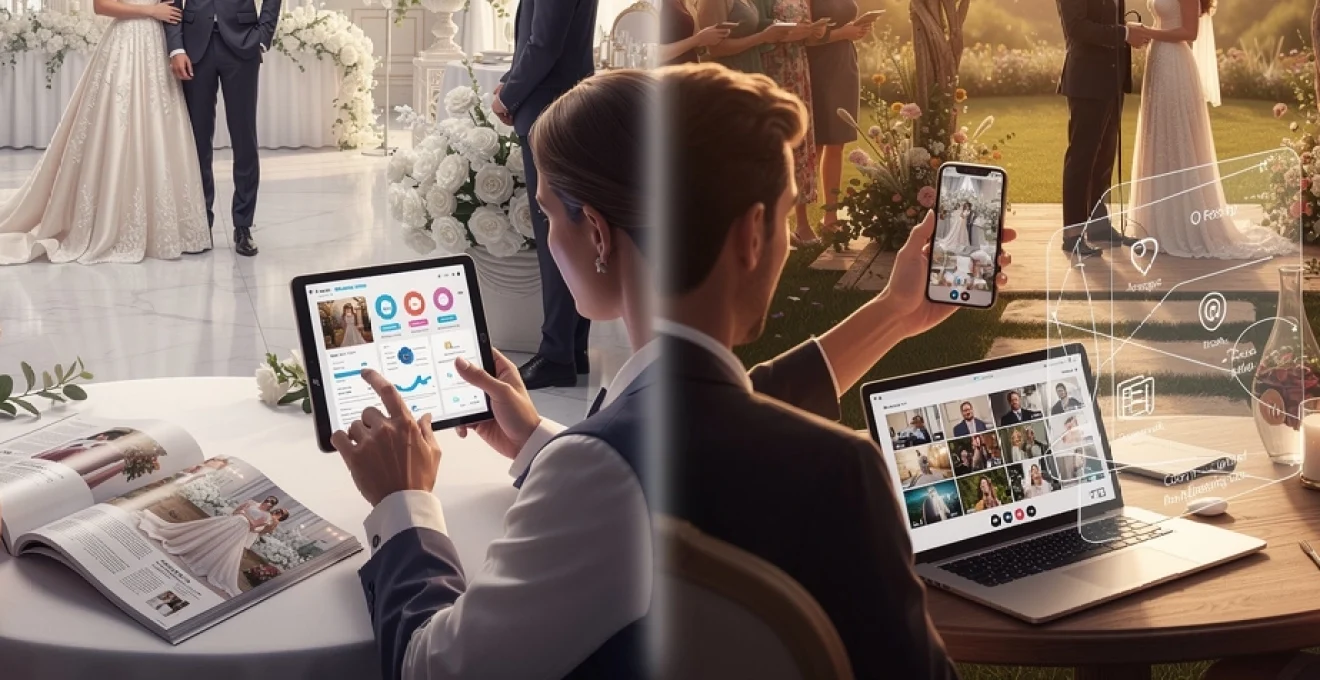
The modern wedding landscape has undergone a seismic shift, challenging traditional notions of what constitutes the perfect wedding. Recent research reveals that 59% of couples describe wedding planning as overwhelming, suggesting that the pursuit of perfection may be causing more stress than joy. This pressure stems from decades of marketing narratives that have convinced couples their wedding day must be flawless, Instagrammable, and worthy of magazine features. However, a growing movement of conscious couples is redefining wedding success by prioritising authentic experiences over aesthetic perfection.
Contemporary weddings reflect broader societal changes including environmental consciousness, technological integration, and shifting economic priorities. The pandemic fundamentally altered how people perceive celebrations, emphasising intimate connections over grand spectacles. Today’s couples increasingly value meaningful moments over expensive details, sustainable practices over wasteful traditions, and genuine celebration over performative displays.
Deconstructing traditional wedding industry marketing paradigms
The wedding industry generates approximately £14.7 billion annually in the UK alone, built largely on selling the fantasy of perfection. This massive commercial enterprise has systematically created unrealistic expectations through carefully crafted marketing messages that equate wedding success with financial expenditure. Traditional wedding marketing operates on scarcity tactics, seasonal urgency, and aspirational imagery designed to make couples feel inadequate about modest celebrations.
The wedding industry has convinced generations of couples that love can only be properly celebrated through expensive displays of material wealth and aesthetic perfection.
Understanding these marketing paradigms empowers couples to make conscious decisions rather than reactive purchases. The industry’s messaging often suggests that cutting corners equals cutting love, creating guilt around budget-conscious choices. However, dismantling these narratives reveals that the most memorable weddings often feature personal touches rather than expensive vendors.
Social media influence on millennial and gen Z wedding expectations
Social media platforms have fundamentally altered wedding expectations, creating a culture where every celebration becomes performance art. Instagram wedding hashtags generate over 50 million posts annually, establishing impossible standards through carefully curated content that rarely reflects reality. The pressure to create shareable moments often overshadows the actual purpose of celebration.
Younger generations face unique challenges navigating social media’s influence on their wedding decisions. The phenomenon of « wedding fetishisation » occurs when inspiration transforms into obsession, leading couples to constantly revise plans based on trending content. This creates decision fatigue and persistent dissatisfaction with previously exciting choices.
Pinterest board psychology and unrealistic aesthetic standards
Pinterest’s wedding category receives over 378 million searches annually, yet this inspiration platform often promotes unattainable aesthetics. The psychology behind Pinterest wedding boards reveals how visual inspiration can become visual pressure, with couples collecting thousands of images that create conflicting and impossible visions.
Research indicates that excessive Pinterest usage correlates with increased wedding anxiety and budget inflation. The platform’s algorithm promotes high-budget content, making modest celebrations appear inferior. Understanding this psychological manipulation helps couples use inspiration sources more consciously, focusing on elements that genuinely reflect their values rather than trending aesthetics.
Wedding vendor upselling strategies and consumer vulnerability
Wedding vendors employ sophisticated psychological tactics to increase spending, exploiting couples’ emotional vulnerability during the planning process. Common strategies include package inflation, where basic services are bundled with unnecessary extras, and temporal pressure tactics that suggest immediate booking is essential for securing quality vendors.
The wedding markup phenomenon sees identical services cost significantly more when marketed for weddings rather than general events. Understanding these strategies enables couples to negotiate more effectively and make informed purchasing decisions. Transparency about vendor tactics helps level the playing field between emotional consumers and experienced sales professionals.
Bridal magazine editorial bias towards High-Budget ceremonies
Traditional bridal publications maintain editorial bias favouring expensive weddings, rarely featuring celebrations under £20,000 despite average UK wedding costs being £17,300. This editorial direction creates false impressions about wedding necessity and normal expenditure levels. The magazines’ advertising revenue depends on luxury vendor partnerships, creating inherent conflicts of interest.
Alternative wedding publications and online platforms are emerging to showcase diverse celebration styles, including elopements, micro-weddings, and
community-centred celebrations that prioritise authenticity over spectacle. These platforms help couples visualise realistic budgets, diverse body types, and alternative timelines, challenging the editorial bias that equates love with luxury. As readership patterns shift, we can expect more publications to highlight low-impact, emotionally rich celebrations instead of only aspirational, high-cost affairs.
Sustainable wedding planning methodologies and eco-conscious alternatives
As climate awareness grows, so does the desire to design a sustainable wedding that does not compromise your values. The average 100-guest wedding in the UK can generate up to 20 kg of waste per person, from single-use décor to leftover food. Rethinking the perfect wedding now includes asking how your celebration impacts the planet as well as your wallet. Sustainable wedding planning methodologies focus on reducing consumption, choosing ethical suppliers, and designing events that leave a lighter footprint.
Eco-conscious alternatives are not about making your day feel sparse or joyless; they are about redirecting resources towards what genuinely matters. When you strip away unnecessary extras, you create space for more meaningful choices, like investing in a small live band instead of mass-produced favours. The goal is not environmental perfection, but conscious intention. By treating your wedding like a mini sustainability project, you can experiment with greener habits that might stay with you long after the last dance.
Zero-waste ceremony design implementation strategies
A zero-waste wedding ceremony aims to send as little as possible to landfill, focusing on reduction, reuse, and recycling. This does not mean you must forgo beauty or ritual; rather, it encourages you to design with circularity in mind. Start by auditing typical waste streams – paper programs, confetti, balloons, disposable signage – and asking, “Do we truly need this?” If the answer is yes, the next question becomes, “Can it be reused, rented, or composted instead?”
Practical zero-waste strategies include digital invitations and RSVPs, reusable signage, and multi-purpose items that serve more than one function. For example, ceremony flowers can be repurposed at the reception, and glass jars can double as candle holders and bud vases. Consider a lending library approach: borrow décor from friends who recently married, then pass on your items to the next couple. Just like building a capsule wardrobe, a zero-waste ceremony is about choosing fewer, higher-impact elements that work hard for you across the whole day.
Local vendor sourcing networks and carbon footprint reduction
Sourcing locally is one of the most effective ways to reduce your wedding’s carbon footprint while strengthening your community. Transport emissions rise significantly when you import flowers, food, and décor from distant suppliers. By creating a local vendor network – from caterers and florists to stationers and musicians – you shorten supply chains and support small businesses that often share your values. This shift not only benefits the planet but also brings a richer sense of place to your celebration.
To build a local vendor network, start with your venue’s recommendations, then cross-check them against sustainability criteria such as low-waste practices, ethical labour policies, and transparent sourcing. Ask vendors where their materials come from, how they handle waste, and whether they collaborate with other local providers. You might discover that your florist partners with a nearby grower, or your caterer donates leftovers to a local shelter. When your wedding ecosystem is rooted in your own region, “perfect” starts to mean “connected” rather than “imported.”
Seasonal flower cultivation and sustainable floristry practices
Imported flowers can carry a large environmental cost, from chemical-intensive cultivation to long-haul flights. Seasonal, locally grown flowers offer a sustainable alternative that also tends to feel more organic and grounded. Working with a florist who understands sustainable floristry practices can radically change your wedding aesthetic – in the best possible way. Instead of demanding precise blooms you saw on a Pinterest board, you collaborate on a palette and mood that reflects what nature is offering at that time of year.
Sustainable floristry prioritises foam-free arrangements, reusable vessels, and minimal plastic packaging. Some florists even grow their own flowers or collaborate with regenerative farms that enhance soil health and biodiversity. Ask whether your arrangements can be donated to hospitals, care homes, or community centres after the wedding. By embracing seasonality, you accept that you cannot control every detail – a powerful lesson in letting go of perfectionism in favour of serendipity and flow.
Biodegradable décor materials and rental economy integration
Biodegradable décor materials help ensure that what goes into your venue can safely return to the earth. Think dried petals instead of plastic confetti, linen or cotton runners instead of polyester, and real candles in reusable holders rather than battery-operated plastic. When you choose materials that can decompose or be easily recycled, you lower the long-term environmental burden of single-use decoration. This is where the rental economy becomes a powerful ally in planning a greener, more flexible event.
Integrating rentals – from tableware and furniture to lighting and backdrops – allows you to access high-quality items without the waste of buying them outright. Well-curated hire companies keep pieces in circulation for years, which is far more sustainable than one-off purchases. You might even share rental packages with another couple marrying the same weekend. Renting, borrowing, and repurposing reframe a “perfect wedding” as a beautifully coordinated collaboration instead of a personal shopping spree.
Ethical catering supply chain management
Food is often the largest line item in a wedding budget and one of the most tangible ways to rethink perfection. Ethical catering supply chain management looks beyond the menu to question where ingredients come from, how workers are treated, and what happens to leftovers. Farm-to-table approaches, Fairtrade products, and plant-forward menus can significantly reduce environmental impact while reflecting a deeper care for people and planet. When your meal tells a story of fairness and sustainability, it adds another layer of meaning to your day.
Discuss with your caterer their policies on local sourcing, seasonal ingredients, and food waste. Can they design a menu that aligns with your values, such as a low-meat or fully vegetarian feast? Do they partner with food banks or apps to redistribute surplus dishes? Just as you might research an ethical engagement ring, examining the ethics of your catering turns the reception from a simple dinner into a conscious, celebratory act of nourishment.
Micro-wedding event architecture and intimate celebration design
Micro-weddings – typically 10 to 50 guests – have surged in popularity as couples prioritise intimacy over scale. Rather than treating a smaller guest list as a compromise, many are discovering that it unlocks a different kind of perfection: one based on connection, presence, and emotional safety. With fewer people to manage and fewer expectations to juggle, you reclaim time and energy to actually enjoy your wedding day. The architecture of a micro-wedding focuses on meaningful interactions, thoughtful pacing, and experiences tailored to the people who truly know you.
Designing an intimate celebration encourages you to reimagine traditional wedding structures. You might opt for a circular ceremony layout where everyone feels up close, or a single long table that feels more like a family feast than a banquet hall. Activities such as group toasts, storytelling, or shared rituals become possible when you are not trying to entertain 200 guests at once. Micro-weddings also tend to be more flexible financially, allowing you to invest in a few high-impact elements – like a great photographer or a special meal – instead of spreading your budget thinly across a large crowd.
Technology-driven wedding personalisation and digital integration
Technology now sits at the heart of modern wedding planning, reshaping what a “perfect wedding” can look like. Instead of rigid, one-size-fits-all packages, couples can leverage digital tools to personalise every stage of the journey. From AI-powered budget planners to VR venue tours, tech allows you to explore more options while staying grounded in your priorities. The key is using technology as a support system, not as another source of pressure or comparison.
Thoughtful digital integration can also make your wedding more inclusive and accessible. Hybrid formats, interactive guest apps, and live translation tools help bridge distance, disability, and cultural barriers. When used well, tech allows your values – not algorithms – to lead. The question shifts from “How do we make this look good online?” to “How can technology help our people feel more connected to this moment?”
Virtual reality venue selection and remote guest participation
Virtual reality and 360° tours have changed how couples discover and evaluate venues. Instead of spending every weekend driving to different locations, you can explore spaces from your sofa, narrowing down options before visiting your top choices in person. This not only saves time and travel emissions, it also reduces decision fatigue. VR venue selection helps you assess layout, light, and flow, making it easier to imagine your micro-wedding or sustainable celebration in situ.
Beyond planning, VR can also support remote guest participation for loved ones who cannot attend due to distance, health, or financial reasons. While not everyone will choose a full VR experience, even simple 360° video streams can help absent guests feel present. Imagine grandparents “sitting” in the front row from another country, or friends on different continents sharing the same virtual viewpoint. Instead of chasing a picture-perfect crowd shot, you focus on creating accessible pathways for connection, regardless of geography.
Ai-powered wedding planning algorithms and budget optimisation
AI-powered planning tools are emerging to help couples manage the overwhelming number of wedding decisions. These algorithms can suggest vendors based on your style and budget, flag hidden costs, and generate realistic timelines. When used intentionally, they can function like a practical assistant, freeing up your mental space for the emotional work of preparing for marriage. Rather than telling you what you “should” have, the best tools help you clarify what you actually value.
Budget optimisation is where AI can really shine. By analysing thousands of real wedding budgets, algorithms can highlight where couples typically overspend or under-budget. They might suggest trimming areas that add little personal meaning – such as elaborate favours – so you can redirect funds to experiences you will remember. Think of AI not as an infallible wedding oracle, but as a helpful spreadsheet with intuition: it offers patterns and possibilities, while you retain final say based on your priorities.
Livestreaming platform selection for hybrid wedding formats
Hybrid weddings, which combine an in-person gathering with a virtual audience, are now a mainstream option rather than a pandemic workaround. Choosing the right livestreaming platform is less about technical perfection and more about reliability, accessibility, and ease of use for your guests. Popular options include YouTube Live, Zoom, and private platforms integrated into wedding websites. Each has trade-offs in terms of quality, interaction, and privacy.
To design a successful hybrid wedding, consider your remote guests’ experience from start to finish. Will they receive clear instructions, a schedule, and maybe even a digital order of service? Who will manage the tech on the day so you are not troubleshooting microphones in your wedding outfit? Treat the livestream as a satellite room of your wedding, not an afterthought. When executed thoughtfully, hybrid formats redistribute the idea of perfection away from flawless production and towards shared emotion across multiple spaces.
Digital guest experience design and interactive elements
The digital guest experience begins long before the ceremony, often with your wedding website or e-invite. This space can be more than a logistical noticeboard; it can introduce your story, outline your values, and manage expectations about budget, sustainability, or dress code. Interactive elements – such as polls about song choices, space for guests to share memories, or digital “guestbook” messages – help people feel involved in shaping the day. Done with intention, these tools foster connection rather than simply collecting data.
On the wedding day itself, you might integrate QR codes linking to the order of service, translations of key moments, or a shared photo album where everyone uploads their images. Think of digital elements as the connective tissue between different parts of your celebration. Just as a good host anticipates guests’ physical needs, digital design anticipates information and emotional needs. When you stop chasing the perfect Instagram wedding and instead design a kind, user-friendly digital journey, the whole experience becomes more relaxed and humane.
Cultural authenticity preservation in modern wedding ceremonies
In a globalised world where wedding trends travel fast, preserving cultural authenticity can be both a joy and a challenge. Many couples today have multicultural backgrounds or interfaith relationships, and may feel pulled between tradition and personal preference. The wedding industry often flattens rich cultural practices into mere aesthetics – a henna pattern for the photo, a tea ceremony for the highlight reel – rather than honouring their deeper significance. Rethinking the perfect wedding means asking how your ceremony can genuinely reflect your heritage, not just reference it.
One approach is to prioritise rituals that hold emotional and spiritual meaning for you, even if they are not visually “on trend.” This might mean choosing to wear traditional dress, incorporating ancestral languages into your vows, or inviting elders to lead certain parts of the ceremony. It may also involve adapting customs to better align with your values, such as modifying gendered or hierarchical elements. Cultural authenticity is not about rigidly recreating the past; it is about entering into a living conversation with your history and deciding what you want to carry forward into married life.
Alternative celebration formats and non-traditional venue selection
Alternative celebration formats are reshaping what it means to host a wedding, moving away from the hotel-ballroom default. Couples are increasingly asking, “Where would we feel most ourselves?” rather than “What will look most impressive?” Non-traditional venues – warehouses, forests, galleries, rooftops – invite a more creative, less scripted approach to the day. They also tend to loosen the grip of perfectionism, because you are already stepping outside the conventional playbook.
These formats often work hand in hand with smaller guest lists, flexible timelines, and unconventional menus. You might host a brunch wedding followed by a hike, an evening ceremony in an art space, or a simple legal ceremony paired with a weekend-long house party. The more you customise the celebration format to your relationship, the less you feel compelled to measure it against generic standards. The question becomes: “Does this feel true to us?” rather than “Does this look like a proper wedding?”
Elopement tourism and destination micro-ceremonies
Elopement tourism – travelling to marry in a meaningful or beautiful location with few or no guests – has seen a marked rise in recent years. Many couples are drawn to the idea of trading a large, complex event for an intimate, travel-infused experience. A destination micro-ceremony might take place on a windswept cliff, in a historic city, or in a quiet countryside chapel. The focus shifts from performing for a crowd to sharing a private, deeply emotional moment, sometimes with a handful of loved ones present.
Rethinking perfection in this context requires careful consideration of ethics and sustainability. How can you minimise flight emissions, respect local communities, and avoid contributing to overtourism? You might choose destinations reachable by train, work with local vendors, or plan your elopement in the off-season. Elopement tourism is not an “easy way out” but a different kind of commitment: one that prioritises shared adventure over social expectation, and presence over production.
Adventure wedding photography in national parks and remote locations
Adventure weddings and elopements in national parks and remote landscapes appeal to couples who feel most alive outdoors. In this format, hiking boots replace high heels, and the timeline is built around sunrise or sunset instead of catering slots. Photography becomes not just documentation, but a co-created experience with your surroundings. The landscape itself is the backdrop, décor, and sometimes even the “venue” fee in the form of park permits. For nature-loving couples, this can feel like the purest expression of their relationship.
However, it is crucial to approach adventure wedding photography with respect for environmental regulations and local ecosystems. Staying on marked trails, following Leave No Trace principles, and securing proper permits protect both the land and your celebration. A good adventure photographer acts like a guide, balancing your desire for epic shots with safety and sustainability. In this context, the perfect wedding photo is not the one that goes viral, but the one that captures a real, unforced moment between you and your partner in a place you both cherish.
Industrial venue transformation and urban space utilisation
Industrial venues – warehouses, factories, railway arches – offer a blank canvas for couples who want to transform urban spaces into unique wedding environments. These sites often carry rich histories and architectural character, from exposed brick to steel beams, challenging the idea that a perfect wedding must be soft and pastel. Instead, you can play with bold lighting, striking florals, and creative layouts that highlight the building’s raw beauty. Urban space utilisation also means guests can often arrive by public transport, reducing travel emissions and making attendance more accessible.
Transforming industrial spaces requires thoughtful design, particularly around acoustics, lighting, and guest flow. Here, the analogy of building a stage set is helpful: you define “zones” for ceremony, dining, and dancing, using modular furniture, textiles, and light rather than heavy construction. This approach can be surprisingly sustainable if you rely on rentals and reusable elements rather than one-off decor builds. Ultimately, industrial venues invite you to redefine elegance: it becomes less about perfection and more about contrast, texture, and the stories embedded in the walls.
Pop-up wedding concepts and flexible event architecture
Pop-up weddings embrace impermanence and flexibility, echoing the way pop-up shops and restaurants test ideas without long-term commitments. In this model, a wedding might take place in a borrowed garden, a community hall, or a temporary tented structure that appears for one day and then disappears without trace. Flexible event architecture – modular furniture, collapsible altars, portable sound systems – allows you to build a celebration that can adapt to weather, guest numbers, or even last-minute changes in regulations.
This approach can feel liberating if the traditional wedding timeline and structure never resonated with you. Rather than locking in a rigid plan 18 months in advance, you design movable pieces that can be reconfigured as needed. It is like building with LEGO instead of pouring concrete: sturdy enough to hold the moment, but not so fixed that it cannot evolve. In a world that has shown us how quickly circumstances can change, pop-up weddings remind us that the heart of the day is not the infrastructure but the commitment you are making – everything else is a temporary frame around that central, enduring promise.