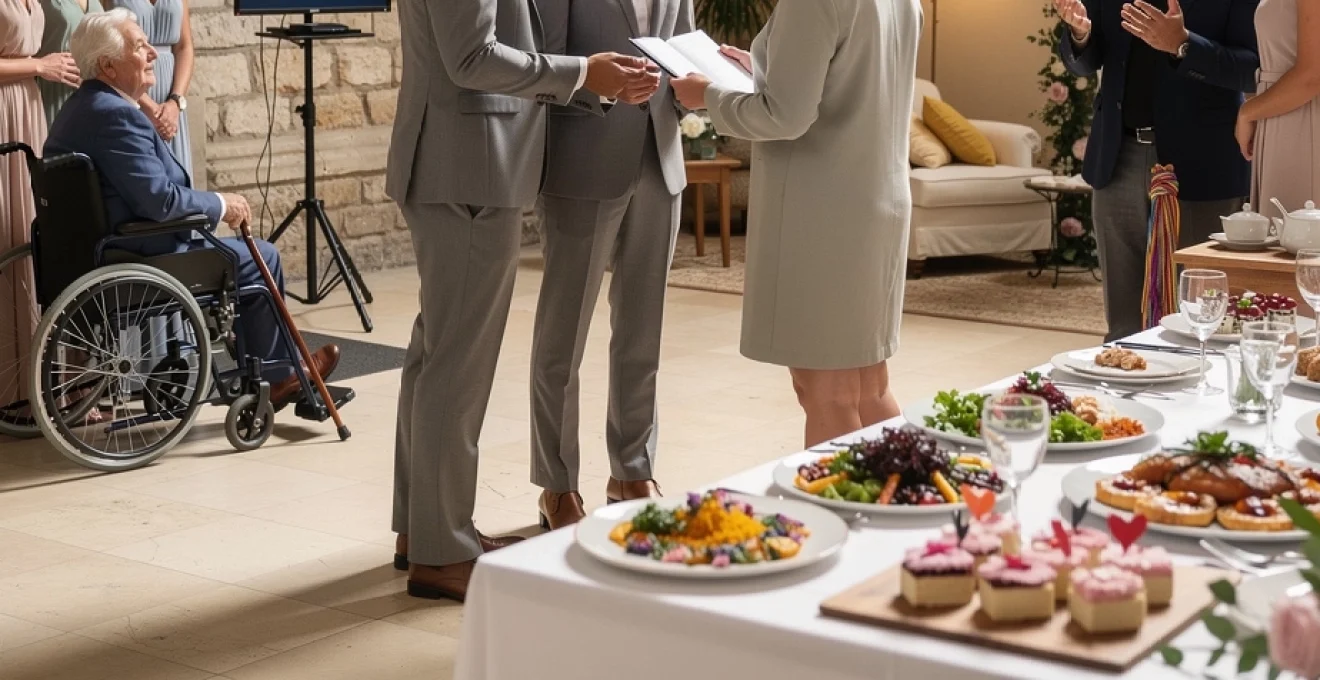
Modern weddings are undergoing a profound transformation. Across the UK and beyond, couples are reimagining traditional ceremonies to create celebrations that genuinely reflect their values and welcome all their guests with warmth and consideration. This shift toward inclusivity isn’t just about ticking boxes or following trends—it represents a fundamental rethinking of what weddings mean in contemporary society. From gender-neutral language to accessible venues, from diverse catering options to culturally blended ceremonies, today’s couples are crafting weddings that celebrate love in all its forms whilst ensuring every guest feels valued, comfortable, and genuinely part of the celebration. The wedding industry is responding, with celebrants, venues, and suppliers increasingly offering services that embrace diversity rather than simply tolerating it.
Gender-neutral wedding ceremonies and Non-Binary officiant language
The language used throughout wedding ceremonies has traditionally reinforced heteronormative assumptions, but progressive couples are challenging these conventions with thoughtful alternatives. Gender-neutral ceremony language creates an environment where all couples—regardless of sexual orientation or gender identity—can see themselves reflected in the celebration. This linguistic shift extends beyond the obvious replacement of gendered terms; it permeates every aspect of ceremony design, from the opening welcome to the final pronouncement.
Replacing « bride and groom » with Partner-Centric terminology
Modern celebrants now routinely use terms like « partners, » « spouses, » « marriers, » or simply the couple’s chosen names throughout ceremonies. This approach eliminates assumptions about who is getting married and creates space for non-binary individuals, same-sex couples, and those who simply prefer not to use traditional labels. Contracts and booking forms increasingly feature « Partner 1 » and « Partner 2 » rather than bride and groom, whilst pre-wedding questionnaires ask couples how they wish to be referred to rather than making assumptions based on perceived gender.
Adapting traditional vows for LGBTQ+ couples
Traditional wedding vows often contain language rooted in patriarchal structures and heterosexual norms. Contemporary couples are rewriting these promises to reflect egalitarian partnerships. Instead of vows that reference « husband and wife » or use gendered pronouns, modern vows focus on partnership, mutual support, and shared futures. Many celebrants work closely with couples to craft bespoke vows that honour their unique relationship dynamics whilst maintaining the solemnity and significance of the promises being made. This personalisation ensures that every word spoken during the ceremony resonates authentically with the couple’s lived experience.
Inclusive pronouns in wedding programmes and invitations
Printed materials provide an excellent opportunity to demonstrate inclusivity from the outset. Progressive couples now include pronoun sharing on their wedding websites and RSVP cards, asking guests to indicate their preferred pronouns alongside dietary requirements. Name cards at receptions omit honorifics like « Mr » or « Mrs, » using full names instead. Wedding programmes explain any cultural traditions in accessible language and avoid gendered assumptions about the couple or their wedding party. This attention to detail signals to all guests that they’re entering a safe and welcoming space where their identities will be respected.
Non-denominational and humanist ceremony structures
Secular and humanist ceremonies have gained tremendous popularity precisely because they offer flexibility in language and structure. These ceremonies can be entirely customised to reflect the couple’s values without adhering to religious scripts that may contain exclusionary language. Humanist celebrants specialise in crafting ceremonies that celebrate love without invoking traditions that some couples find uncomfortable or inappropriate. Whether incorporating readings from favourite literature, creating unique rituals that hold personal meaning, or simply focusing on the couple’s story and commitment, non-denominational ceremonies provide freedom to design truly inclusive celebrations.
Accessible venue selection and universal design principles
Physical accessibility remains one of the most tangible ways couples can demonstrate their commitment to inclusivity. Selecting a venue that accommodates guests with disabilities, mobility challenges, or sensory sensitivities requires careful consideration and planning. Yet many couples discover that prioritising accessibility benefits all their guests, creating a more comfortable experience for elderly relatives, parents with pushchairs, and anyone who might struggle with traditional venue layouts.
Wheelchair-accessible historic venues and
Wheelchair-accessible historic venues and listed buildings compliance
Historic manor houses, barns, and listed buildings are perennially popular for weddings, but they often present challenges for wheelchair users and guests with limited mobility. Couples are increasingly asking detailed accessibility questions during venue visits, from the gradient of ramps to lift sizes and toilet layout. Many heritage venues now work within Listed Buildings regulations to introduce removable ramps, platform lifts, widened doorways, and accessible toilets that respect the building’s character whilst meeting modern expectations.
Rather than assuming a beautiful old venue “must” be inaccessible, couples are requesting access audits or asking venues to share their accessibility statements in advance. Floorplans are being shared with guests, highlighting step-free routes, quiet areas, and seating locations with extra legroom. This proactive approach not only supports wheelchair users and guests with mobility aids, it also reassures older relatives and anyone anxious about navigating large or unfamiliar spaces.
BSL interpreters and real-time captioning integration
For Deaf guests and those who are hard of hearing, weddings can historically feel like a visual spectacle rather than a fully inclusive experience. To change this, couples are bringing in professional BSL (British Sign Language) interpreters to interpret the ceremony, speeches, and key announcements. Positioning the interpreter in a clearly visible area, often near the celebrant, ensures that Deaf guests can follow the emotional core of the day in real time rather than relying on second-hand summaries later.
Some couples are also incorporating real-time captioning for wedding ceremonies and receptions, particularly when speeches are a major feature. Using captioning apps or specialist captioning services, words appear on screens or guest devices, supporting not only Deaf guests but also those for whom English is a second language. This technology-led approach to inclusive weddings mirrors practices in conferences and theatres, reinforcing the message that all guests deserve equal access to the words, stories, and humour that shape the day.
Sensory-friendly spaces for neurodivergent guests
Large gatherings, loud music, and packed dancefloors can be overwhelming for autistic guests, people with ADHD, or anyone who is sensory sensitive. To create more inclusive weddings, couples are designating quiet rooms or low-stimulation spaces where guests can decompress. These areas may feature softer lighting, comfortable seating, minimal décor, and, in some cases, noise-cancelling headphones, fidget toys, or simple activities for children who need a break from the main celebration.
Couples also work with their celebrants and DJs to flag any particularly loud or surprising moments in advance, such as confetti cannons or fireworks. Some provide a brief “what to expect” guide on the wedding website or in the order of service, outlining the general flow of the day, approximate timings, and when noise levels are likely to increase. This kind of transparency can significantly reduce anxiety for neurodivergent guests, making it easier for them to decide when to participate and when to take a breather.
Step-free access and mobility aid accommodation
Beyond wheelchair access, inclusive venue planning now involves a broader view of mobility. Step-free routes from car park to ceremony space, bar, and toilets are being prioritised, with couples requesting alternative entry points, ramps, or even golf buggies and shuttle cars for larger estates. Seating is also considered more carefully: sturdy chairs with arms are reserved for guests who need extra support, and wider aisles are created for those using walking frames or crutches.
Thoughtful couples also brief photographers, planners, and front-of-house staff about any guests who may need additional time or support to move between spaces. Instead of rushing from group photos to dinner, timelines are padded to allow everyone to transition comfortably. When mobility aids are visible in wedding photos, they’re celebrated as part of the real story of the day, challenging outdated notions that guests must “hide” their needs to fit in.
Dietary inclusivity through specialised catering menus
Food is often at the heart of a wedding celebration, which makes dietary inclusivity a powerful way to show care and respect. Rather than treating non-standard diets as an afterthought, couples are collaborating with caterers from the outset to design menus that embrace religious requirements, allergies, and lifestyle choices. The result is a wedding breakfast that feels generous and welcoming, where everyone can eat safely and joyfully.
Halal, kosher, and multi-faith wedding breakfast options
In an increasingly multicultural society, it’s common for a single wedding guest list to include multiple faith backgrounds with specific dietary guidelines. Couples are working with specialist caterers or certified kitchens to offer halal or kosher options as standard, rather than asking guests to bring their own food or go without. Where strict certification for an entire menu is not practical, couples often provide individually sealed meals prepared off-site by approved suppliers, clearly labelled and served with the same care as every other plate.
Multi-faith couples are also using their menus to honour both sides of the family, perhaps offering a fusion of South Asian and European dishes or combining traditional Jewish recipes with contemporary British cuisine. Menu cards and buffet labels are detailed and transparent, explaining not only ingredients but also preparation methods (for example, whether alcohol is used in cooking). This approach allows guests to make informed choices while feeling that their beliefs and traditions have been actively respected.
Allergen-free menu design and cross-contamination protocols
With food allergies on the rise, inclusive couples now view allergen management as a core part of wedding planning rather than a box-ticking exercise. Caterers are asked not just whether they can provide a gluten-free or nut-free dish, but how they avoid cross-contamination in the kitchen and on the day. Separate prep areas, colour-coded utensils, and clear labelling are becoming standard at thoughtful weddings, especially when guests have severe allergies or coeliac disease.
Many couples also collect detailed dietary information on RSVP forms, going beyond a simple “any allergies?” tick box. By inviting guests to share the severity of their allergies and any cross-contact concerns, couples can work with caterers to minimise risk and provide clear reassurance. Some weddings even include a brief note in the order of service outlining how allergens have been managed, signalling to guests that their safety has been taken seriously.
Vegan and plant-based reception dining trends
Plant-based menus have moved firmly into the mainstream, with many couples choosing vegan or largely plant-based catering for environmental, ethical, or health reasons. Far from being a sacrifice, modern vegan wedding breakfasts showcase inventive, flavourful dishes that impress even the most dedicated meat-eaters. Think slow-roasted aubergine with tahini, mushroom wellingtons, and rich chocolate torte made without dairy.
Some couples opt for a fully plant-based menu to reduce their wedding’s carbon footprint, while others incorporate a mix of plant-based and traditional options to offer maximum choice. Caterers are increasingly adept at creating plant-based canapés, late-night snacks, and even vegan wedding cakes that look every bit as spectacular as conventional designs. By framing plant-based dining as a celebration of abundance rather than restriction, couples demonstrate that inclusive catering can also be innovative and exciting.
Cultural fusion ceremonies and multicultural traditions
As more people form relationships across cultures, nations, and faiths, weddings are becoming powerful spaces for cultural exchange. Inclusive couples are not simply choosing one tradition over another; they’re weaving elements from multiple backgrounds into a coherent, respectful whole. This can mean anything from blending dress codes to designing ceremony structures that honour both families’ expectations whilst still feeling authentic to the couple.
Incorporating saptapadi, tea ceremonies, and handfasting rituals
Many multicultural weddings creatively combine rituals such as the Hindu Saptapadi (seven steps), Chinese tea ceremonies, and Celtic handfasting. Rather than staging these elements as disjointed add-ons, couples work with experienced celebrants or priests to explain the symbolism to guests and integrate the rituals into the overall narrative of the day. For example, a couple might begin with a tea ceremony to honour elders, move into a humanist ceremony, and conclude with handfasting as a symbol of their union.
To ensure that all guests feel included, programmes and celebrant scripts often contain short descriptions of each ritual, why it matters, and how it connects to the couple’s shared values. This educational element turns the wedding into a celebration of living culture rather than a performance for photos. Done thoughtfully, it avoids tokenism and invites guests to witness, and sometimes participate in, traditions that might otherwise remain unfamiliar.
Bilingual wedding invitations and multilingual order of service
Language can be a powerful barrier—or bridge—at a wedding. Couples from multilingual families are increasingly choosing bilingual wedding invitations, save-the-dates, and orders of service to ensure that all guests can engage with the key information. Rather than relegating one language to tiny print, designs incorporate both languages with equal prominence, signalling respect for both sides of the family.
During the ceremony itself, celebrants may switch between languages for key phrases, or readings may be delivered in different tongues with translations printed in the programme. Some couples also arrange for key signage at the venue—such as directions, bar menus, and welcome boards—to be multilingual. These small but significant gestures help older relatives and international guests feel truly included in the flow of the day rather than dependent on others to interpret.
Respecting indigenous and heritage customs in modern celebrations
For couples with Indigenous or minority heritage, inclusive weddings often involve reclaiming cultural practices that may have been marginalised or misunderstood. This could include traditional blessings, clothing, music, or protocols around elders and community leaders. Rather than “modernising” these elements beyond recognition, couples are finding ways to weave them into contemporary wedding formats while honouring their original meaning.
Respect is central here. Couples consult with elders, cultural advisors, or community leaders to ensure that rituals are appropriate for the setting and carried out correctly. When non-Indigenous partners or guests participate, they’re guided through the process with clear explanation and consent. In this way, weddings become sites of cultural continuity and education, countering the tendency to treat heritage customs as exotic décor or photo opportunities.
Interfaith celebrants and dual-religion wedding structures
For interfaith couples, one of the most powerful choices is working with celebrants or clergy who specialise in dual-religion weddings. These professionals understand the theological and practical nuances of different traditions and can help couples design ceremonies that respect both without diluting either. This might involve alternating prayers, blending readings from sacred texts, or structuring the service in two distinct but linked parts.
Some couples choose to hold separate religious ceremonies on different days, while others prefer a single integrated event that reflects their shared life. In either case, inclusivity is strengthened when officiants explain what is happening, why it matters, and how guests from different backgrounds are invited to engage. Clear communication prevents confusion and ensures that no side of the family feels sidelined or tokenised.
Child-free wedding policies versus family-inclusive celebrations
Deciding whether to invite children is one of the most debated aspects of modern wedding planning, and inclusive couples are approaching it with transparency and empathy. Some opt for a child-free wedding to manage numbers, costs, or venue constraints, communicating the decision early and framing it as a way to give parents a rare night off. Others embrace fully family-inclusive weddings, providing activities, quiet spaces, and flexible schedules to ensure younger guests are comfortable.
Inclusivity here is less about a “right” decision and more about how that decision is communicated and implemented. Clear wording on invitations, FAQs on wedding websites, and suggestions for local childcare or trusted babysitting services can all soften the impact of a child-free policy. For family-friendly weddings, couples are investing in professional childcare, craft corners, outdoor games, and child-appropriate menus. By considering the needs of both parents and those without children, couples can create a wedding environment where everyone knows what to expect and can plan accordingly.
Sustainable and ethical wedding practices for conscious couples
For many modern couples, inclusivity now extends to the planet and the people within global supply chains. Ethical sourcing, sustainability, and low-impact choices are becoming central to wedding planning, with couples asking hard questions about where their rings, flowers, and décor come from. These decisions signal a broader commitment to social justice, environmental stewardship, and fair treatment of workers—values that sit comfortably alongside a celebration of love.
Conflict-free diamond certification and lab-grown alternatives
Engagement rings and wedding bands are often the first place where couples confront the ethical dimensions of wedding planning. Increasingly, they are seeking out conflict-free diamonds with traceable supply chains, supported by reputable certification schemes. Others bypass mined stones altogether in favour of lab-grown diamonds or alternative gemstones, which can offer lower environmental impact and clearer provenance.
Jewellers who are transparent about sourcing, labour practices, and metal recycling are in high demand among conscious couples. Some even repurpose heirloom jewellery, melting down gold or resetting family stones to create new pieces imbued with history. By choosing ethical jewellery, couples align their symbols of commitment with the values they hope will define their married life.
Carbon-neutral venues and zero-waste reception planning
Eco-conscious couples are also scrutinising the carbon footprint of their wedding day. They may favour venues that prioritise renewable energy, robust recycling systems, and local supply chains, or work with planners who specialise in low-impact events. Carbon offsetting, while not a perfect solution, is sometimes used alongside practical measures such as encouraging public transport, arranging group transfers, or choosing locations closer to the majority of guests to reduce travel emissions.
Zero-waste principles are making their way into reception planning, too. This can include hiring décor instead of buying, avoiding single-use plastics, donating leftover flowers to hospitals or care homes, and partnering with caterers who can safely redistribute surplus food. Couples are also rethinking favours, prioritising edible treats, donations to charity, or useful items over trinkets likely to be discarded. The guiding question becomes: “Will this choice bring real joy, or is it waste in disguise?”
Fair-trade floristry and seasonal british flower sourcing
Floristry is another area where inclusive, ethical thinking is flourishing. Some couples choose fair-trade flowers to support growers in the Global South who are paid and treated fairly, while others prioritise locally grown, seasonal British flowers to cut down on transport emissions and support small-scale farmers. Both routes can be deeply meaningful, especially when couples talk to their florists about provenance, labour standards, and pesticide use.
Design trends are shifting to accommodate these choices, with more natural, seasonal arrangements that celebrate what is genuinely available at the time of year. Couples might incorporate potted plants that can be replanted after the wedding, or dried flowers that can be kept long-term rather than flown in for a single day. In doing so, they transform their wedding flowers from short-lived décor into part of a wider story about respect—for workers, for ecosystems, and for the future they are building together.