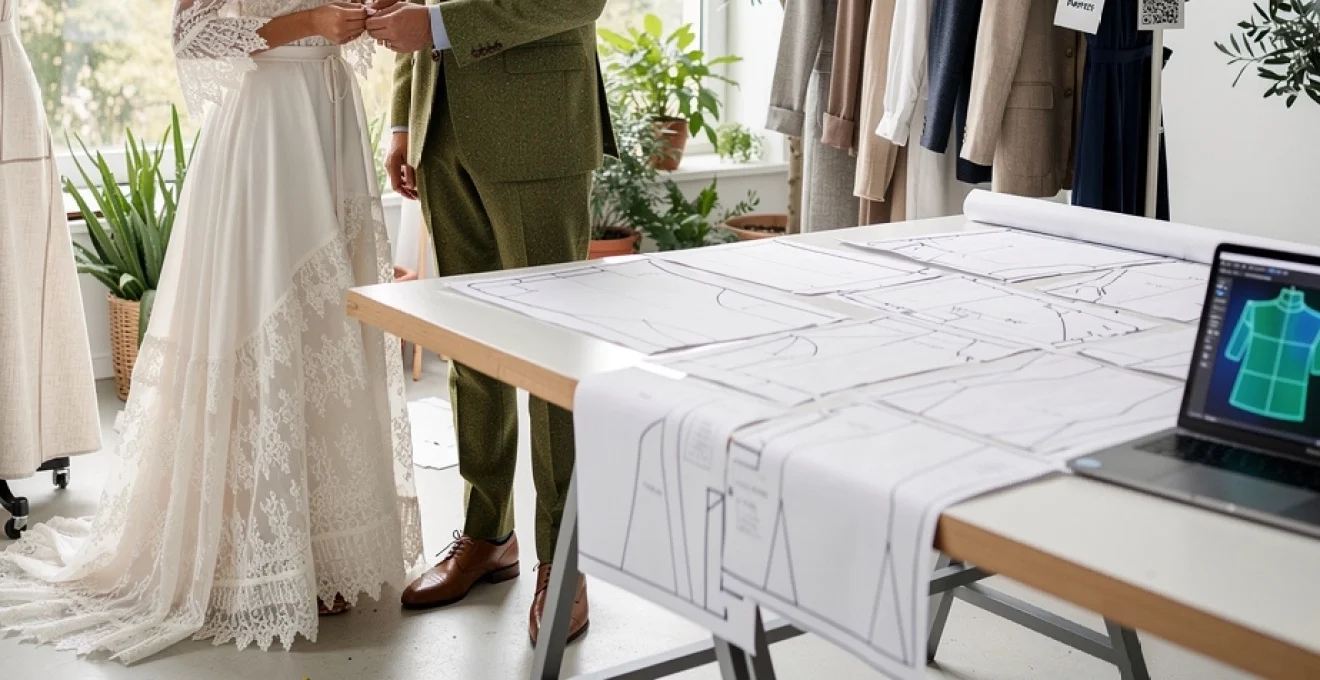
# Eco-friendly wedding fashion: sustainable choices for conscious couples
The wedding industry stands at a crossroads. While celebrating love and commitment remains timeless, the environmental cost of traditional ceremonies has become increasingly difficult to ignore. With the average wedding generating approximately 400 pounds of waste and releasing 63 tonnes of carbon dioxide, couples are rightfully questioning whether their special day needs to leave such a heavy footprint. Fortunately, the bridal fashion sector is experiencing a profound transformation, driven by innovative designers, ethical manufacturers, and conscious consumers who refuse to compromise between style and sustainability.
Today’s eco-conscious couples are discovering that sustainable wedding fashion offers far more than just environmental benefits. From exquisitely crafted gowns using certified organic fabrics to modular designs that transform into everyday wear, the sustainable bridal movement proves that ethical choices can be synonymous with exceptional beauty. This shift represents not merely a trend but a fundamental reimagining of what wedding attire can be—garments with provenance, purpose, and longevity that extend far beyond a single ceremony.
Certified organic fabrics and ethical textile sourcing for bridal wear
The foundation of any sustainable wedding garment begins with its fabric. Traditional bridal textiles often involve intensive chemical processes, exploitative labour conditions, and environmental degradation that contradicts the joyous occasion they’re meant to celebrate. Certified organic fabrics offer a compelling alternative, combining luxurious aesthetics with genuine ecological responsibility. Understanding these materials empowers you to make informed decisions that align your wedding attire with your values.
Gots-certified organic cotton and peace silk in wedding gown construction
The Global Organic Textile Standard (GOTS) represents the gold standard in textile certification, ensuring fabrics meet rigorous environmental and social criteria throughout their entire production chain. GOTS-certified organic cotton eliminates synthetic pesticides, herbicides, and genetically modified organisms from cultivation, protecting both ecosystems and farming communities. For bridal wear, this translates to soft, breathable fabrics with a luxurious drape that rivals conventional alternatives whilst maintaining impeccable ethical credentials.
Peace silk, also known as Ahimsa silk, revolutionises traditional silk production by allowing silkworms to complete their natural lifecycle before harvesting cocoons. This cruelty-free approach creates slightly different texture characteristics—a beautifully slubbed, organic appearance that many contemporary brides find more appealing than conventional silk’s uniform sheen. Designers working with peace silk often celebrate these natural variations, creating gowns with distinctive character and an ethical foundation that extends compassion beyond human concerns.
Tencel lyocell and cupro: Closed-Loop fabric production for sustainable bridal collections
Tencel Lyocell represents a remarkable achievement in sustainable textile innovation. Derived from sustainably harvested wood pulp—typically eucalyptus, beech, or birch—this fabric employs a closed-loop production process that recovers and reuses more than 99% of the solvent used in manufacturing. The result is a remarkably soft, breathable material with excellent drape characteristics that works beautifully for flowing bridal silhouettes. Unlike conventional rayon production, which releases harmful chemicals into waterways, Tencel’s environmental impact remains minimal throughout its lifecycle.
Cupro, sometimes called « vegan silk, » offers similar sustainability credentials whilst providing the lustrous appearance and elegant hand-feel that many brides desire. Manufactured from cotton linter—the fine fibres that cling to cotton seeds after ginning—cupro transforms what would otherwise be agricultural waste into a premium textile. When produced using the Bemberg process in closed-loop facilities, cupro becomes an exceptionally sustainable choice that biodegrades naturally at the end of its useful life, completing a genuinely circular material journey.
Fair trade linen and hemp textiles from european co-operatives
Linen, derived from flax plants, stands among humanity’s oldest textiles and remains one of its most sustainable. Flax cultivation requires minimal water, no irrigation in most European climates, and naturally deters pests without chemical interventions. Fair Trade certification ensures that workers throughout the supply chain receive fair compensation and work in safe conditions. For wedding fashion, l
linen offers a crisp, breathable handle that is ideal for summer weddings, beach ceremonies, and relaxed rustic celebrations. When sourced from European co-operatives in countries such as France, Belgium, and Lithuania, you are not only choosing a low-impact fibre but also supporting farmer-led organisations that prioritise soil health, crop rotation, and transparent labour practices. Hemp textiles share many of linen’s advantages, including durability, natural antibacterial properties, and the ability to grow with little water and no synthetic fertilisers. In bridal wear, fine-weave hemp and linen blends can be softened and finished to resemble traditional suiting or silkier fabrics, making them suitable for minimalist gowns, tailored jumpsuits, and eco-conscious groom attire.
For couples seeking a sustainable wedding outfit that still feels luxurious, Fair Trade linen and hemp offer a compelling alternative to conventional polyester-heavy blends. Ask your designer or boutique whether their linen or hemp is certified and where it is grown and woven—traceability is a key part of ethical textile sourcing. You might also explore undyed or naturally dyed options, which further reduce the chemical load associated with conventional bridal textiles. These fabrics age beautifully, meaning your wedding attire can be reworn and cherished long after the day itself.
Recycled polyester and econyl regenerated nylon in contemporary wedding attire
While natural fibres dominate many discussions around eco-friendly wedding fashion, recycled synthetics play an important role in reducing waste and extending the life of existing materials. Recycled polyester, often produced from post-consumer plastic bottles or textile waste, offers the structure and sheen many brides associate with traditional tulle, organza, and satin, but with a significantly lower carbon footprint than virgin polyester. When combined with careful design and high-quality construction, recycled polyester can create modern, sculptural silhouettes that photograph beautifully and resist creasing throughout a long wedding day.
Econyl regenerated nylon takes this concept further by transforming discarded fishing nets, industrial plastic, and carpet offcuts into premium yarns. In contemporary wedding attire, Econyl can be used for fitted bodices, sleek slip dresses, and even structured suiting for brides or grooms who prefer a sharp, minimalist look. By diverting waste from landfills and oceans, regenerated nylon supports a circular fashion model that fits seamlessly with the values of conscious couples. When considering recycled synthetics, it is worth asking about fabric weight, lining materials, and end-of-life options—choosing designs that can be altered, resold, or rented helps maximise the environmental benefits of these innovative textiles.
Zero-waste pattern cutting and circular design methodologies for wedding garments
Choosing eco-friendly fabrics is only one part of building a sustainable wedding wardrobe; how those fabrics are cut and constructed is equally important. Traditional pattern cutting can waste between 10% and 30% of each fabric roll, with irregular offcuts often ending up in landfill or low-value recycling streams. Zero-waste pattern cutting and circular design strategies aim to eliminate or drastically reduce this waste, creating wedding garments that respect resources from the very first sketch. For couples, this means you can wear a gown or suit that embodies efficiency as well as elegance.
Circular design methodologies also consider what happens after the last dance. Can a dress be shortened into a cocktail piece? Can separates be mixed and matched for future events? Can fabrics be disassembled and reused? By asking these questions early in the design process, forward-thinking bridal brands and ateliers ensure that your sustainable wedding fashion remains relevant and wearable for years to come. This approach treats garments less like single-use props and more like cherished companions in your wardrobe.
Julian roberts zero-waste techniques applied to bridal couture
Designer and educator Julian Roberts pioneered radical zero-waste pattern cutting methods such as « subtraction cutting, » which treat cloth as a three-dimensional medium rather than a flat surface to be carved into standard shapes. Applied to bridal couture, these techniques can create dramatic drapes, sculptural volumes, and unexpected silhouettes with virtually no fabric waste. Instead of working from multiple pattern pieces that leave awkward offcuts, subtraction cutting involves cutting and reconfiguring negative spaces within the cloth, allowing the fabric to dictate much of the gown’s fluidity and movement.
For brides attracted to architectural or avant-garde wedding dresses, zero-waste techniques can deliver show-stopping results while aligning with strong sustainability values. You might see this approach in gowns that feature sweeping circular skirts, cocoon-like overlays, or organic folds that appear almost gravity-defying. When consulting with a designer who explores Julian Roberts–inspired methods, ask how their pattern cutting minimises waste and whether any remaining offcuts are repurposed into veils, belts, or accessories. In this way, every centimetre of your chosen eco-friendly fabric contributes to the narrative of your sustainable wedding outfit.
Modular wedding dress design for post-ceremony garment transformation
Modular wedding dress design takes circular thinking a step further by building versatility into the garment from the outset. Rather than purchasing a single-use gown, you invest in a system of interchangeable components—perhaps a base slip dress with removable overskirt, detachable sleeves, or a convertible train that transforms into a cape. This approach allows you to adapt your look from ceremony to reception, from formal portraits to the dance floor, without needing multiple outfits.
Beyond the wedding day, modular bridal garments can evolve into pieces you wear again and again. A detachable lace top may pair beautifully with tailored trousers for future events; a cropped jacket from your ceremony look might become a favourite evening piece. When considering modular sustainable wedding fashion, discuss with your designer which elements can be easily altered, dyed, or re-styled. Think of it as building a timeless capsule wardrobe around your wedding, rather than acquiring a single garment destined for storage.
Digital pattern optimisation software: optitex and gerber AccuMark for fabric efficiency
Behind many of today’s most efficient bridal ateliers is an invisible layer of technology. Digital pattern optimisation software, such as Optitex and Gerber AccuMark, allows pattern cutters to test countless layout variations on-screen before a single piece of fabric is cut. By nesting pattern pieces as tightly as possible, these systems can reduce fabric waste by 5–15% compared with manual methods—a significant saving when working with premium organic silk, Tencel, or peace silk blends.
For conscious couples, this might sound technical, but the implications are very real: fewer resources used, lower production costs, and a smaller overall footprint for your wedding attire. When speaking with boutiques or designers, it is perfectly reasonable to ask whether they use digital nesting or other optimisation tools. Those who do often combine this technology with careful sampling policies—limiting the number of prototypes produced and repurposing test garments for fittings, rentals, or sample sales—to ensure every metre of fabric is used thoughtfully.
Upcycled vintage lace integration and heirloom textile reimagining
Upcycling vintage lace and heirloom textiles offers one of the most emotionally resonant routes to sustainable wedding fashion. Rather than purchasing new yardage, designers carefully unpick, restore, and rework existing materials—perhaps your grandmother’s veil, a piece of antique Irish lace, or a family christening gown—into contemporary bridal designs. This approach not only diverts textiles from landfill but also weaves family history directly into your wedding outfit, creating a tangible thread between generations.
Heirloom reimagining can range from delicate appliqué details on a modern silhouette to entire bodices or sleeves constructed from restored lace. Because older fabrics may be more fragile, skilled couture-level craftsmanship is essential to ensure durability and comfort. If you are considering this route, consult your chosen atelier well in advance and bring any heirloom pieces to early fittings so they can assess condition, cleaning requirements, and practical design options. The result is a unique, sustainable wedding dress that carries a story no off-the-rack gown can match.
Transparent supply chain traceability and ethical manufacturing partnerships
As awareness of fashion’s social and environmental impact grows, many couples want more than marketing promises; they want proof. Transparent supply chains and ethical manufacturing partnerships allow you to trace your wedding garments back through each stage of production, from fibre and fabric to cutting room and final finishing. Rather than relying on vague « eco » labels, you can verify that workers were paid fairly, factories met safety standards, and materials were sourced responsibly.
This level of traceability might sound ambitious, but emerging technologies and certification schemes are making it more accessible every year. By prioritising brands that share detailed information about their suppliers, audits, and environmental goals, you help push the industry towards greater accountability. In effect, your sustainable wedding outfit becomes part of a larger movement, using purchasing power to support better practices worldwide.
Blockchain-verified production: FibreTrace and TextileGenesis authentication systems
Blockchain technology—best known for cryptocurrencies—is increasingly being applied to textile traceability, turning supply chain data into a secure, tamper-resistant ledger. Platforms like FibreTrace and TextileGenesis embed scannable markers into fibres or attach digital tokens to batches of fabric, recording each transaction and transformation from farm to finished garment. The result is a digital « passport » for your dress or suit, documenting its environmental and social journey in unprecedented detail.
In practical terms, this might mean scanning a QR code on your gown’s label to see where the cotton was grown, which mill spun and wove it, and which certified factory or atelier assembled the final piece. For conscious couples, blockchain-backed systems offer reassurance that sustainability claims are more than just marketing language. When exploring sustainable wedding fashion options, look for brands that partner with FibreTrace, TextileGenesis, or similar platforms, and don’t hesitate to ask how they verify the data you are shown.
B corporation certified wedding fashion brands: reformation and christy dawn case studies
B Corporation (B Corp) certification provides another robust framework for assessing whether a brand’s values align with your own. To become certified, companies must meet high standards of social and environmental performance, transparency, and accountability, and are legally required to consider the impact of their decisions on workers, communities, and the planet. In the realm of wedding fashion, brands such as Reformation and Christy Dawn have become notable examples of how style and ethics can coexist.
Reformation, known for its effortlessly chic dresses and bridal collections, publishes detailed sustainability reports, including carbon, water, and waste savings per garment. Christy Dawn, originally famed for its deadstock « farm-to-closet » approach, has expanded into regeneratively grown cotton, working directly with farmers to restore soil health. For couples seeking eco-friendly bridal gowns, bridesmaid dresses, or rehearsal dinner outfits, choosing B Corp–certified brands helps ensure that your purchase supports systemic change rather than isolated green initiatives.
Local atelier collaboration and reduced carbon footprint in bespoke bridal production
Working with a local atelier is one of the most effective ways to reduce the carbon footprint of your wedding attire while supporting skilled artisans in your own community. Instead of shipping gowns halfway around the world for fittings and adjustments, you can travel a short distance, often by public transport, for each appointment. This not only cuts transport emissions but also opens the door to a truly collaborative design process, where you can discuss fabric choices, construction methods, and alteration options in person.
Local production can also mean shorter lead times and more responsive service, particularly if last-minute tweaks are needed close to the big day. When researching sustainable wedding fashion providers, ask where the garments are actually made, how far fabrics travel, and whether your fittings take place in the same space where garments are sewn. By choosing a nearby atelier or small-scale manufacturer, you transform your dress or suit from a faceless product into the outcome of a relationship—one that values craftsmanship, transparency, and community.
Sustainable footwear and accessory selection for conscious wedding styling
Even the most thoughtfully sourced wedding dress can be undermined by accessories with poor ethical or environmental credentials. Shoes, jewellery, bags, and hairpieces often involve complex supply chains and materials that carry hidden impacts, from leather tanning chemicals to conflict minerals. The good news is that eco-friendly options are expanding rapidly, allowing you to style every detail of your look in a way that reflects your values.
Approaching accessories through a sustainable lens encourages you to think in terms of longevity and versatility. Can your bridal shoes be dyed and worn again? Could a necklace or pair of earrings become part of your everyday wardrobe? Might your headpiece be loaned or rented instead of bought new? By asking these questions, you can build a cohesive, low-impact look that extends well beyond a single celebration.
Vegan leather alternatives: piñatex, mylo mushroom and apple leather applications
Traditional leather production is resource-intensive and often tied to animal welfare concerns and toxic tanning chemicals. Vegan leather alternatives such as Piñatex, Mylo mushroom leather, and apple leather offer compelling options for eco-conscious bridal shoes, belts, bags, and even corsetry details. Piñatex is made from pineapple leaf fibres—a by-product of the food industry—creating additional income streams for farmers while utilising agricultural waste. Its slightly textured surface lends itself well to modern, minimalist bridal footwear and clutches.
Mylo, developed from mycelium (the root structure of mushrooms), and apple leather, created from apple pomace left over from juice production, push biomaterial innovation even further. Both materials can mimic the look and feel of high-quality leather while using significantly fewer resources and avoiding animal products altogether. When shopping for sustainable wedding shoes or accessories, look for brands that specify the exact vegan leather alternative used and provide care instructions to ensure your pieces last. In doing so, you step into married life quite literally on a more ethical footing.
Ethical diamond alternatives: lab-grown moissanite and vintage jewellery sourcing
Engagement rings, wedding bands, and bridal jewellery hold immense symbolic value, so it is no surprise that couples increasingly ask where their stones and metals come from. Lab-grown diamonds and moissanite provide brilliant, durable alternatives to mined diamonds, often at a fraction of the environmental and financial cost. Because they are created in controlled environments, lab-grown stones avoid many of the labour and conflict issues associated with traditional mining, while still offering exceptional sparkle and hardness suitable for everyday wear.
For those drawn to history and uniqueness, vintage and antique jewellery can be an equally powerful sustainable choice. Purchasing a pre-loved ring, necklace, or brooch keeps existing pieces in circulation and often reveals craftsmanship rarely seen in modern mass-produced designs. You may also choose to reset an heirloom stone in a contemporary setting, blending old and new to create a piece that feels distinctly your own. Whether you opt for lab-grown moissanite or vintage finds, prioritising traceability and responsible sourcing ensures that your symbols of commitment carry integrity as well as beauty.
Rental and resale platforms: by rotation and HURR for wedding guest attire
Sustainable wedding fashion is not just about the couple; it extends to the entire guest list. Renting outfits rather than buying new for each occasion can dramatically cut down on wardrobe-related emissions and waste. Platforms like By Rotation and HURR allow guests—and even bridesmaids or mothers of the couple—to access designer pieces for a fraction of the retail price, wearing them once before returning them to circulate again. This model leverages the sharing economy to reduce overproduction and underutilisation of clothing.
For couples, suggesting rental platforms on your wedding website or invitations can gently encourage guests to consider lower-impact options without imposing strict dress codes. Many users of By Rotation and HURR also choose to list their own garments, creating a virtuous cycle where wardrobes become community resources rather than private stockpiles. Think of these platforms as libraries for special-occasion wear—places where style circulates freely while demand for new production slows.
Carbon-neutral formalwear and Eco-Conscious groom attire solutions
While bridal gowns often receive the most attention, the groom and wedding party play an equally important role in shaping the overall environmental footprint of the day. Traditional formalwear, particularly synthetic-heavy suits and tuxedos, can involve energy-intensive production and limited wear beyond a few formal events. Carbon-neutral and eco-conscious alternatives focus on fibre choice, production practices, and garment lifespan, ensuring that looking sharp does not come at the planet’s expense.
For many grooms, the most sustainable wedding suit is one they can wear again—perhaps for future celebrations, work events, or milestone anniversaries. By investing in high-quality natural fibres, timeless cuts, and responsible tailoring, you can build a formal wardrobe that balances elegance, comfort, and environmental responsibility. The same principles apply to groomsmen and other members of the wedding party, who often appreciate being part of a thoughtful, values-driven approach.
Wool and tweed from regenerative agriculture: fibershed and slow wool movement
Regenerative agriculture aims not only to minimise harm but to actively restore ecosystems, improve soil health, and increase biodiversity. Within this movement, initiatives like Fibershed and the broader slow wool community are redefining what sustainable suiting and formalwear can look like. Wool sourced from regenerative farms typically comes from flocks managed with holistic grazing practices that sequester carbon, enhance water retention, and support local biodiversity—turning your wedding suit into a quiet climate solution.
Tweed and fine worsted wool from these sources can be tailored into classic or contemporary cuts suitable for weddings in every season. For rustic or countryside ceremonies, a regenerative tweed jacket paired with organic cotton or linen trousers can strike the perfect balance between polish and authenticity. When exploring these options, ask tailors or brands about the provenance of their wool, whether they collaborate with Fibershed-affiliated farms, and how they measure the environmental impact of their supply chains.
Plant-dyed suit fabrics and natural indigo processing techniques
Colour is another often-overlooked aspect of sustainable wedding fashion. Conventional dyeing processes rely on petrochemical-based dyes and large volumes of water, contributing to pollution in many textile-producing regions. Plant-based dyes and natural indigo offer a lower-impact alternative, especially when used in closed-loop or low-water systems. For groom attire, this might mean a suit or waistcoat dyed with indigo, madder root, walnut hulls, or other botanical sources, resulting in rich, nuanced tones that age beautifully over time.
Natural indigo, in particular, has a long history in traditional textiles and can create deep, complex blues that work well for less formal wedding suits or jackets. Because plant dyes often produce subtle variations and irregularities, each garment takes on a unique character—much like the irregular slubs in peace silk. When considering plant-dyed fabrics, ask your tailor or brand how they manage wastewater, whether they use mordants responsibly, and how colourfast the final fabric is. With proper care, plant-dyed suits can become long-term wardrobe favourites rather than one-day showpieces.
Tailoring subscription services and suit hire schemes for groomsmen
Just as dress rental platforms help reduce waste for brides and guests, tailored subscription services and suit hire schemes offer practical solutions for grooms and groomsmen. Instead of purchasing matching suits that may rarely be worn again, you can rent high-quality pieces, often with the option of personalised adjustments. Some services now operate on a subscription basis, allowing members to rotate through different styles for multiple events while the company maintains and repairs garments to extend their lifespan.
For eco-conscious wedding parties, coordinated rentals can significantly reduce both cost and resource use. Many hire companies are investing in more sustainable fabrics, low-impact cleaning methods, and durable construction designed for long-term circulation. When comparing options, look for providers who highlight their environmental policies, repair programmes, and garment care standards. By treating suits as shared assets rather than disposable fashion, groomsmen can look cohesive and stylish while collectively lowering the wedding’s carbon footprint.
Post-wedding garment longevity and circular economy integration strategies
The story of your sustainable wedding fashion does not end when the last song plays. What happens to your dress, suit, and accessories afterwards can either reinforce or undermine the eco-friendly choices you made at the planning stage. Embracing circular economy principles—where garments are cared for, reused, resold, or repurposed rather than discarded—ensures that the environmental and social value embedded in your outfit continues to deliver benefits over time.
Thinking ahead about post-wedding plans can also change how you shop in the first place. If you know you would like to resell your gown, you may prioritise classic silhouettes and easily altered designs. If donation appeals to you, you might choose a style and size range with broader appeal. By integrating end-of-life considerations into your decision-making, you close the loop on your sustainable wedding wardrobe.
Professional garment care and heritage preservation methods
Proper cleaning and storage are essential if you want your wedding garments to remain beautiful—whether for future wear, eventual resale, or as an heirloom. Conventional dry cleaning often relies on perchloroethylene (PERC), a solvent with significant environmental and health concerns. Eco-conscious couples can instead seek out cleaners who use wet cleaning, liquid CO₂, or other non-toxic methods, especially for delicate fabrics such as peace silk, Tencel, and vintage lace.
Once cleaned, preservation techniques such as acid-free tissue wrapping, archival-quality boxes, and climate-controlled storage can protect garments from yellowing, mould, and fabric degradation. If heritage preservation is your goal, consider documenting your dress or suit’s story—fabrics used, designer or atelier details, and any alterations—so future generations understand the significance of the piece. Treating your wedding outfit as a potential heirloom encourages more mindful care and reinforces its status as a long-term, not disposable, object.
Resale platforms: stillwhite, PreOwnedWeddingDresses and OnceWed market analysis
Resale platforms have become vital hubs in the circular bridal economy, extending the life of gowns that might otherwise languish in wardrobes. Sites like Stillwhite, PreOwnedWeddingDresses, and OnceWed specialise in connecting past brides with new ones, offering significant savings and a wide range of styles, sizes, and designers. For sellers, recouping part of the initial investment can make ethical or higher-priced gowns more accessible in the first place; for buyers, it provides access to premium brands at reduced environmental and financial cost.
Market data from these platforms consistently shows strong demand for timeless silhouettes, well-known sustainable designers, and dresses with minimal irreversible alterations. If you plan to resell your eco-friendly wedding dress, photographing it well, providing accurate measurements, and including details about fabric certifications or ethical production can increase its appeal. In this way, your gown becomes part of a chain of conscious choices, helping multiple couples enjoy beautiful attire without the impact of new production each time.
Garment donation programmes: brides across america and adorned in grace initiatives
For some couples, the most meaningful end to their wedding fashion journey is to donate their attire to someone in need. Organisations such as Brides Across America and Adorned in Grace accept gently worn gowns and accessories, redistributing them to military brides, survivors of trafficking, or individuals facing financial hardship. This model not only keeps garments in use but also transforms them into instruments of solidarity and support during pivotal life moments.
Before donating, check each programme’s specific guidelines—some focus exclusively on contemporary styles, certain sizes, or particular regions. Ensure your dress or suit is professionally cleaned and in good repair, as this reduces the charity’s processing burden and increases the likelihood that your garment will be quickly matched with a new wearer. By choosing donation, you extend the emotional resonance of your sustainable wedding fashion, allowing it to participate in multiple stories of love, resilience, and new beginnings.