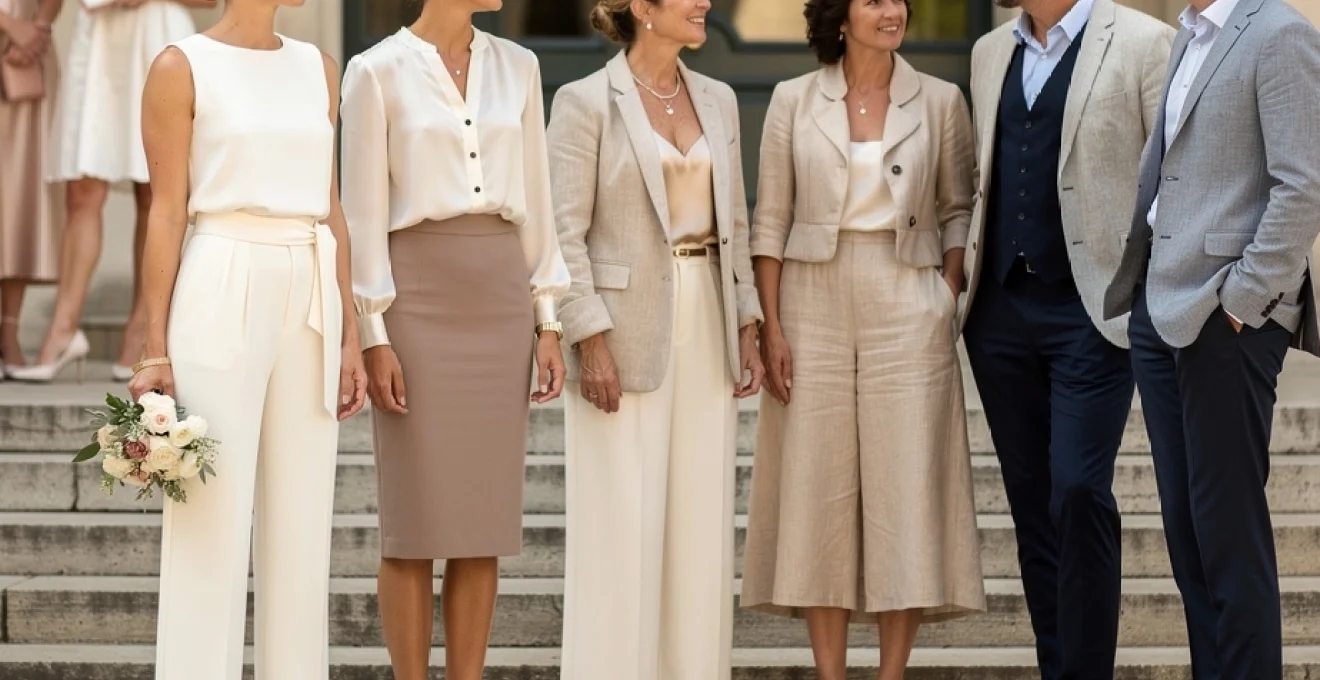
Civil ceremonies have evolved far beyond simple formalities into meaningful celebrations that reflect personal style and modern sensibilities. Whether you’re planning an intimate registry office wedding or an approved venue ceremony, the question of what to wear deserves thoughtful consideration. The beauty of civil weddings lies in their flexibility—you can embrace traditional bridal elegance, experiment with contemporary tailoring, or express your personality through unexpected colour choices. Recent trends show that couples are increasingly viewing their civil ceremonies as fashion opportunities, with Pinterest searches for registry office outfits increasing by 49% year-on-year. This shift reflects a broader cultural movement towards intentional, personal celebrations that prioritize authenticity over convention. The civil ceremony outfit you choose sets the tone for your special day while offering practicality and comfort that allows you to fully enjoy every moment.
Understanding civil ceremony dress codes: registry office vs approved venue requirements
Civil ceremonies take place in two primary settings: traditional registry offices and approved venues such as hotels, historic buildings, or even outdoor spaces. Understanding these distinctions helps you gauge appropriate formality levels for your outfit. Registry offices typically maintain a more relaxed atmosphere, though they still deserve respectful attire that acknowledges the legal significance of the occasion. The environment tends to be compact and bureaucratic, with limited waiting areas and straightforward proceedings that rarely exceed 30 minutes. This practical setting doesn’t demand floor-length gowns or elaborate ensembles, but it does call for polished, well-considered choices.
Approved venues offer greater flexibility and often feature more picturesque backdrops for photographs. These locations might include boutique hotels, garden terraces, or converted barns that provide atmospheric settings worthy of slightly elevated formality. When selecting your outfit, consider the architectural style and ambiance of your chosen venue. A grand Victorian building might inspire vintage-influenced separates or structured midi dresses, whilst a contemporary urban space could suit sleek minimalist tailoring. The key is harmonizing your attire with the environment without feeling constrained by rigid dress codes.
Weather considerations also play a crucial role in civil ceremony outfit planning. Registry offices are climate-controlled environments, but you’ll likely move between indoor and outdoor spaces for photographs. Approved venues with garden ceremonies require weather-contingent planning, particularly in the unpredictable British climate. Layering becomes essential—think tailored blazers that can be removed, elegant wraps for cooler temperatures, or lightweight fabrics that breathe during summer months. Your outfit should accommodate transitions between settings whilst maintaining its polished appearance throughout the day.
Women’s tailored separates for modern civil ceremonies
Tailored separates have emerged as the sophisticated choice for contemporary civil ceremonies, offering versatility that traditional single-piece outfits cannot match. This approach allows you to create a customized look that flatters your body shape whilst reflecting personal style preferences. The beauty of separates lies in their reusability—each piece can be reworn for future occasions, making them an economically sensible investment. Approximately 62% of civil ceremony brides now choose separates over traditional wedding dresses, according to recent bridal industry research, signaling a significant shift towards practical elegance.
Midi-length pencil skirts paired with silk blouses
The combination of a midi-length pencil skirt with a silk blouse epitomizes refined femininity without veering into overly formal territory. Look for skirts in luxurious fabrics like duchess satin, crepe, or structured ponte that hold their shape throughout the day. The midi length—typically falling mid-calf—offers elegant coverage whilst remaining flattering on various body types. Ivory, champagne, and soft blush tones work beautifully for brides, though bold colours like sage green or dusty blue create memorable non-traditional statements. Pair your skirt with a silk blouse featuring interesting details such as balloon sleeves, pussy bow necklines, or delicate mother-of-pearl buttons that elevate the overall aesthetic.
Wide-leg trousers with structured blazers in neutral palettes
For those seeking powerful, fashion-forward civil ceremony attire, wide-leg trousers paired with structured blazers deliver undeniable impact. This combination channels boardroom confidence whilst maintaining ceremonial appropriateness. Choose high-waisted trous
ers in fluid fabrics like crepe or lightweight wool that skim rather than cling, creating a long, elongating line. A blazer with defined shoulders, subtle waist shaping, and clean lapels balances the volume of the trousers and keeps the silhouette sharp. Neutral shades—ivory, stone, biscuit, soft taupe, or dove grey—feel contemporary and photograph beautifully in natural light. If you’re tempted by colour, consider a muted pastel trouser paired with an off-white blazer for a gentle contrast that still reads as bridal. Finish the look with minimalist heels or sleek loafers and a silk camisole or bodysuit that sits smoothly beneath your jacket.
Jumpsuit silhouettes: crepe and satin fabrications
Jumpsuits have become a signature choice for chic civil ceremony outfits, bridging the gap between a bridal gown and tailored suiting. Opt for crepe jumpsuits if you prefer structure and clean lines—crepe’s subtle weight ensures it drapes beautifully without clinging, offering support and confidence as you move. Satin or satin-backed crepe jumpsuits, on the other hand, bring soft luminosity and a dressier feel, ideal if you want something that reads closer to a wedding dress but with a modern twist. Details like wide legs, wrap fronts, cape backs, or subtle cut-outs at the waist can add interest while remaining registry-office appropriate.
When choosing a jumpsuit for a civil wedding, pay close attention to torso length and rise—an ill-fitting jumpsuit can feel restrictive, whereas the right one moves with you like a second skin. Consider whether you’ll be sitting for part of the ceremony and during any post-registry lunch or drinks; you want the fabric to bend comfortably without creasing excessively. If you’re planning a later reception in a different outfit, a streamlined jumpsuit can become your “city hall chic” look that feels entirely separate from your evening ensemble. You might even ask your tailor to add hidden hooks at the shoulders or waist for a detachable overskirt or train, giving you two silhouettes in one.
Co-ord sets: matching separates in linen and wool blends
Co-ord sets are perfect for civil ceremonies because they deliver a pulled-together look with minimal effort, much like a suit, but often with softer, more fashion-led shapes. Think matching cropped jackets and mid-rise skirts, boxy tops with tailored culottes, or sleeveless vests with coordinated wide-leg trousers. Linen blends work wonderfully for summer civil weddings, especially at registry offices or garden venues where a relaxed elegance feels appropriate. To avoid looking too casual, choose high-quality linen or linen-viscose mixes with a tighter weave and good lining so the fabric doesn’t become see-through in bright light.
For cooler seasons or more formal approved venues, wool and wool-blend co-ords in ivory, cream, or soft camel strike a sophisticated note. Subtle patterns like herringbone or micro-checks add depth without overwhelming the outfit, especially in close-up photographs. Matching sets in tonal shades—such as ecru top with slightly deeper oat trousers—create a monochrome effect that elongates the body and looks editorial in ceremony photos. Because each piece functions well separately, co-ords also satisfy the increasingly popular “wear again” approach to civil ceremony styling, letting you rework your bridal set as workwear or occasionwear long after the day itself.
Elegant dress silhouettes for registry office weddings
While civil ceremonies may be more relaxed than traditional church weddings, dresses remain a timeless option for brides and guests who gravitate towards feminine silhouettes. The best registry office dresses feel considered but not overblown—think polished rather than princess. Shorter hemlines, lighter fabrics, and streamlined cuts are particularly well suited to the compact, functional spaces typical of registry offices. They also make practical sense if you’ll be hopping between taxis, city pavements, and a restaurant or rooftop bar afterwards. How do you strike that ideal balance between “everyday” and “extra special” in your civil ceremony dress? Focus on fabric, cut, and subtle detailing.
Choosing the right dress for a civil ceremony is a bit like editing a capsule wardrobe: every element needs to earn its place. Look for silhouettes that flatter from every angle, especially if you’re planning candid city hall photography or stairs-and-street-style shots. Pared-back designs in quality materials will always outshine heavily embellished styles that can date quickly. If you’re having both a civil and a larger celebration, consider using your registry office dress to explore a different facet of your personal style—perhaps shorter, sleeker, or more directional than your main wedding gown.
A-line tea-length dresses in chiffon and organza
A-line tea-length dresses are a classic choice for civil ceremonies, offering a mid-calf hem that feels dressy yet easy to move in. The gentle flare of the skirt balances the fitted bodice, creating a universally flattering shape that suits a range of body types and footwear choices. Chiffon versions are light and fluid, ideal for spring and summer registry office weddings where you might be walking between city landmarks for photos. Organza, with its subtle stiffness and airy translucency, adds a touch of structure and volume without tipping into ballgown territory, making it perfect for those who want a hint of drama without a full train.
To keep the look modern rather than retro, pay attention to neckline and sleeve design. Square necklines, soft boat necks, and minimalist straps feel fresh and understated; sheer sleeves or illusion panels can add coverage while maintaining a light, romantic feel. You can easily style a tea-length dress up or down depending on your accessories—point-toe courts and a birdcage veil lean classic, while block-heel sandals and a structured mini bag read contemporary. Because the hemline shows off your shoes, this silhouette is also ideal if you’ve invested in statement bridal heels or colourful pumps you’ll wear again.
Slip dresses with cowl necklines in champagne and ivory tones
Slip dresses with cowl necklines have cemented their place as a favourite for minimalist civil ceremony outfits. Cut on the bias, they skim the body rather than cling, offering fluid movement and a flattering drape across the midsection. The soft fold of a cowl neckline draws attention upward, framing the collarbones and shoulders in a way that works beautifully in close-up photos. Champagne, oyster, and soft ivory tones are particularly effective for registry office settings, as they catch the light in a subtle, sophisticated way without feeling overly bridal if you prefer a low-key approach.
Because slip dresses are inherently simple, quality is everything: look for weighty satin, silk, or high-end satin-backed crepe that resists creasing and feels luxurious against the skin. If you’re concerned about a slip dress feeling too revealing or casual, think of it as the base layer of your look rather than the whole story. A sharp blazer, cropped tweed jacket, or chiffon cape can immediately shift the outfit into “ceremony-ready” territory. You might also explore midi slip dresses with adjustable straps, low backs, or side slits for ease of movement—details that add personality without shouting for attention.
Wrap dresses: jersey and crepe constructions for flattering drape
Wrap dresses are a reliable choice for civil ceremonies because they offer adjustability, comfort, and a universally flattering shape. By cinching at the narrowest part of your waist and creating a soft V-neckline, wrap silhouettes mimic the visual effect of clever tailoring without feeling stiff. Jersey wrap dresses work especially well for those prioritising comfort; their stretch and softness make them ideal for longer days that might involve travel to and from the registry office. To keep them occasion-appropriate, choose ponte or structured jerseys that hold their shape, and avoid overly casual prints or ultra-thin materials.
Crepe wrap dresses provide a slightly more formal option, with a refined drape that looks polished in photos and in motion. Midi lengths in ivory, dove grey, or soft blush are popular for brides, while guests might opt for deeper jewel tones or understated florals. Practical features like modesty snaps at the neckline, secure ties, and partial lining will help you feel confident during the ceremony and any post-wedding celebrations. Because wrap dresses are so wearable beyond the wedding day, they fit perfectly with the current trend towards sustainable, repeatable civil ceremony outfits.
Shift dresses with three-quarter sleeves in textured fabrics
Shift dresses with three-quarter sleeves are ideal if you gravitate towards clean, unfussy lines and prefer not to worry about cling. The straight cut glides over the body, making this silhouette especially comfortable for sitting through the ceremony and enjoying a relaxed lunch or drinks afterwards. Three-quarter sleeves offer coverage that many registry offices appreciate, while still allowing you to show a little wrist and jewellery. This proportion also photographs well, creating visual balance between upper and lower body without overwhelming petite frames.
To keep a shift dress from feeling too “office”, focus on texture and fabric choice. Bouclé, jacquard, matelassé, or subtle brocade fabrics instantly elevate the look while remaining civil-ceremony appropriate. A soft ivory bouclé shift paired with slingback heels, for example, nods to classic couture without feeling costume-like. If you’re planning a winter civil wedding, consider a heavier textured fabric in cream or winter white, layered with a tailored coat in a complementary tone. Because shift dresses are inherently simple, they provide the perfect backdrop for a standout headband, fascinator, or architectural earrings.
Men’s smart-casual attire: suit alternatives and modern tailoring
Modern civil ceremonies give men much more freedom to experiment with style beyond the traditional dark suit. Smart-casual wedding outfits for men work particularly well in registry offices and urban venues, where a relaxed yet refined aesthetic feels right at home. The key is striking a balance: you want to look deliberate and polished, but not like you’re heading to a corporate meeting. How can you do this? By paying attention to fabric, fit, and colour, and by mixing tailored pieces with slightly softer, more contemporary elements.
Think of civil ceremony menswear as a spectrum rather than a fixed dress code. On one end, you might have a classic two-piece suit in a lighter tone worn without a tie; on the other, a linen blazer, well-cut chinos, and suede loafers that feel more weekend than boardroom. Your personal style, the time of day, and the ceremony location should all guide your choices. If your partner is wearing a structured bridal suit or glamorous dress, you might lean slightly smarter; if they’ve opted for a slip dress and sandals, a more relaxed approach will harmonise beautifully.
Unstructured blazers in linen and lightweight wool
Unstructured blazers are a cornerstone of modern civil ceremony looks for men, offering the polish of tailoring without the rigidity of traditional suiting. Unlike heavily padded jackets, unstructured designs feature minimal shoulder padding and softer canvassing, allowing the blazer to move with you and feel comfortable in warmer rooms. Linen and linen-blend blazers are ideal for summer registry office weddings or destination-style approved venues, especially in shades like sand, stone, or pale blue. For mid-season or winter ceremonies, lightweight wool and wool-silk blends provide a refined finish and sit neatly over knitwear if you prefer to skip a formal shirt.
Fit matters more than formality here: aim for clean lines through the shoulders, a gently tapered waist, and sleeves that break just above the wrist bone. Pair your blazer with a crisp cotton or Oxford shirt for a classic look, or a fine-gauge merino crew neck for a more relaxed, European aesthetic. You might also play with subtle textures—hopsack weaves, micro-herringbones, or slubbed linens—to add visual depth in photos. Because unstructured blazers transition seamlessly into everyday wardrobes, they’re a smart investment that aligns with the increasingly popular “wear again” philosophy of civil wedding dressing.
Chinos paired with oxford shirts and knitted ties
Chinos, when chosen well, can be entirely appropriate for a civil ceremony, especially if you’re aiming for an elevated smart-casual look. The secret is to choose chinos with a tailored, slim-straight cut in a mid-weight cotton or cotton-stretch fabric that keeps a crease. Avoid overly casual details like cargo pockets or heavy fading; instead, opt for flat fronts in classic shades such as stone, navy, or warm khaki. Paired with an Oxford shirt, they strike a balance between relaxed and refined that suits many registry office environments.
Adding a knitted tie is a subtle way to signal that this is a special occasion rather than an ordinary day at the office. The texture of a knitted tie softens the look of the shirt and chinos, making it feel more contemporary and less formal than traditional silk. If you prefer to skip a tie altogether, ensure your shirt collar sits neatly and consider rolling sleeves to just below the elbow for post-ceremony drinks or a casual dinner. Finish the outfit with polished loafers, brogues, or Derby shoes—trainers, even high-end ones, can risk appearing too informal unless the venue and couple’s style are distinctly laidback.
Waistcoat and trouser combinations without jacket
A waistcoat-and-trouser combination is an excellent option if you want to look tailored without the formality of a full three-piece suit. This look works particularly well in warmer months or in busy registry offices where you might be moving between waiting areas and ceremony rooms. Choose a waistcoat that fits close to the body without pulling at the buttons; the hem should sit just at your trouser waistband to avoid any shirt fabric bunching at the midsection. Matching the waistcoat and trousers creates a cohesive, intentional outfit that feels wedding-appropriate even without a jacket.
Fabric choice will determine how formal the ensemble feels. Lightweight wool or wool-mix waistcoats in mid-blue, charcoal, or soft grey look sophisticated in photographs and can be worn again with a jacket for other occasions. For a more relaxed, summer-ready vibe, a textured cotton or linen waistcoat with tonal trousers and a crisp white shirt can feel fresh and modern. Consider accessorising with a slim leather belt that matches your shoes and a pocket watch or subtle lapel-style pin attached to the waistcoat for personality. If you anticipate cooler weather, you can always bring a coordinating blazer to wear outdoors or for arrival photos, removing it for the ceremony itself.
Tonal dressing: monochromatic suit separates in navy and grey
Tonal dressing—building your outfit from varying shades of one colour—is a simple way to look pulled together and stylish for a civil wedding without overthinking. For men, navy and grey are the easiest palettes to work with because they’re widely available and photogenic in most lighting conditions. Imagine a slate-grey blazer, lighter grey trousers, and a white shirt, or a deep navy jacket with slightly lighter blue chinos and a sky-blue shirt. This layered approach to colour adds depth while still reading as understated and refined.
Monochromatic outfits also tend to be forgiving in photos, avoiding the harsh contrasts that can occur with stark black-and-white combinations. When done well, tonal dressing can feel almost editorial—similar to how a well-styled magazine shoot looks cohesive without appearing too “matchy”. To pull it off, vary textures as well as shades: pair matte wool with smoother cotton, or a subtle herringbone blazer with plain twill trousers. Anchoring the look with tan, chocolate, or black leather shoes and belt will keep everything grounded and ceremonial, even if you’ve skipped a traditional two-piece suit.
Seasonal fabric selection and colour palette strategies
Choosing what to wear for a civil ceremony isn’t just about silhouettes; fabric and colour are equally crucial in determining how comfortable and polished you’ll feel on the day. The same outfit can read entirely differently in a July heatwave versus a crisp November morning, so it’s worth tailoring your choices to the season and time of day. Think of fabric as the foundation of your look: breathable materials like linen, cotton, and silk for summer, versus wool, velvet, and heavier crepes for autumn and winter. The goal is to align your outfit with the weather and the venue’s atmosphere so that you look and feel effortless.
Colour plays a psychological role, too. Light, reflective tones—ivory, champagne, blush, dove grey—tend to feel romantic and bridal, while deeper hues such as navy, burgundy, and forest green convey formality and depth. For many couples, civil weddings are an opportunity to deviate from traditional all-white bridalwear and explore subtle pastels or richer shades that feel more aligned with their everyday style. Ask yourself: do you want your civil ceremony outfit to whisper “wedding” or to deliver a clear, fashion-forward statement? Your colour palette is where that decision becomes visible.
Accessorising civil ceremony outfits: footwear, jewellery, and finishing touches
Accessories are where a civil ceremony outfit truly comes to life, transforming simple pieces into something unmistakably “wedding day”. Because registry office weddings and approved venue ceremonies often involve city walking, stairs, and quick transitions between locations, footwear and outerwear need to be as practical as they are stylish. Block heels, low slingbacks, elegant flats, or even chic ankle boots can all work beautifully if they complement the overall outfit and allow you to move with ease. For grooms and male guests, polished loafers, Derbies, or minimal leather trainers (in very relaxed settings) strike a balance between comfort and ceremony-worthy polish.
Jewellery and hair accessories act like the frame around a painting, subtly directing attention without overpowering the main image. Delicate necklaces, pearl or diamond studs, and slim bracelets work well with minimalist dresses and separates, while bolder earrings or a sculptural cuff can bring personality to clean silhouettes. For civil ceremonies, many brides and guests now embrace modern headpieces—padded headbands, mini birdcage veils, or bridal hats—instead of traditional veils, particularly in fashion-forward cities. A well-chosen hair accessory can instantly elevate a simple slip dress or tailored suit, making it clear this is no ordinary day, even if your outfit is relatively pared back.
Finishing touches also include outerwear and small leather goods, both of which will feature heavily in candid arrival and departure photos. A tailored coat in a complementary tone, a cropped boucle jacket, or even a sleek trench can all layer elegantly over civil wedding outfits. Clutches and mini crossbody bags should be large enough to hold essentials—ID, lipstick, phone—but not so big that they compete visually with your ensemble. Think of these items as part of your overall styling story, not afterthoughts grabbed at the last minute. When every element works together, your civil ceremony look will feel cohesive, comfortable, and distinctly “you”—which is exactly what this modern, flexible kind of wedding is all about.