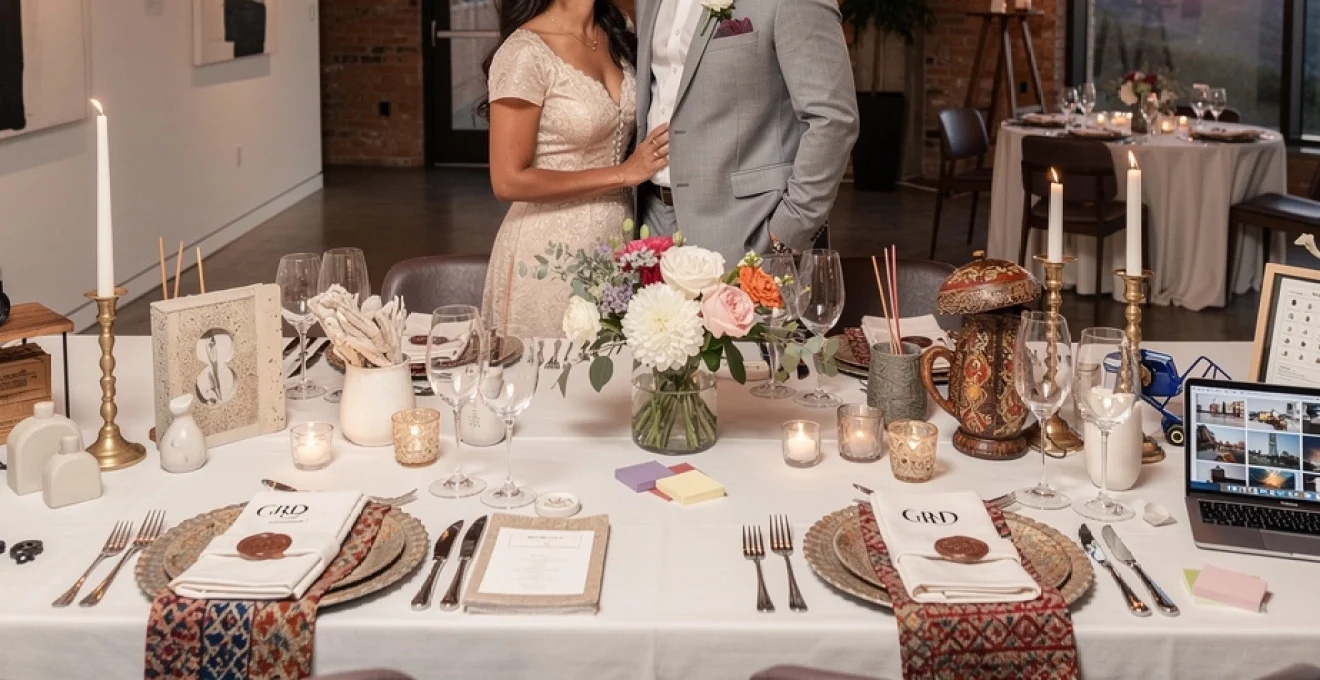
Your wedding reception represents more than just a celebration—it’s a canvas upon which you paint the essence of your relationship. In an era where personalisation has become paramount, couples increasingly seek ways to move beyond cookie-cutter ceremonies and generic venues. The challenge lies not in adding decorative elements arbitrarily, but in weaving your authentic selves throughout every aspect of the occasion. From the moment guests receive their invitations to the final dance, each touchpoint offers an opportunity to communicate who you are as individuals and as a partnership. This transformation from traditional wedding template to personalised experience requires thoughtful consideration, creative vision, and the courage to embrace what truly matters to both of you.
Defining your couple identity through wedding design aesthetics
Before diving into specific décor choices and entertainment options, establishing a clear understanding of your couple identity forms the foundation for all subsequent decisions. This process involves more than simply listing favourite colours or preferred music genres; it requires excavating the deeper qualities that define your relationship. What makes your partnership unique? Which shared experiences have shaped your journey together? These questions guide the aesthetic direction that will eventually manifest in every corner of your reception space.
Conducting a personality audit: Myers-Briggs and enneagram integration for wedding planning
Psychology-based personality frameworks offer surprisingly practical applications for wedding planning. The Myers-Briggs Type Indicator, for instance, can illuminate whether you lean towards intimate gatherings or large-scale celebrations. An introverted couple might naturally gravitate towards a micro-wedding with twenty close friends, whilst extroverted partners may thrive in the energy of two hundred guests. Similarly, the Enneagram system reveals core motivations and values—a Type Four couple might prioritise artistic expression and uniqueness, whilst Type Sevens seek adventure and spontaneity. Understanding these psychological underpinnings helps you make decisions that feel instinctively right rather than following trends that don’t resonate with your authentic selves.
Creating a shared vision board using pinterest and milanote collaboration tools
Digital collaboration tools transform the often-fraught process of aligning aesthetic preferences into an enjoyable discovery journey. Pinterest allows both partners to contribute images independently, revealing patterns and commonalities that might otherwise remain unexpressed. Perhaps you both gravitate towards warm metallics and natural textures, or maybe one partner consistently pins modern geometric designs whilst the other favours vintage romantic elements. These visual preferences, when viewed collectively, often suggest compromise directions that honour both perspectives. Milanote takes this concept further by enabling annotation, categorisation, and mood board creation that transforms scattered inspiration into cohesive design narratives. The key lies in reviewing these boards together regularly, discussing what draws you to specific images and identifying the emotional resonance behind visual choices.
Translating personal hobbies into tangible wedding décor elements
Your hobbies and interests provide some of the most authentic personalisation opportunities. A couple passionate about literature might incorporate vintage books as centrepieces, with table numbers drawn from favourite novels and literary quotes adorning the walls. Music enthusiasts could display vinyl records from their collection, use sheet music as table runners, or name tables after concert venues where they’ve shared memorable experiences. Outdoor adventurers might bring elements from their hiking expeditions—pressed wildflowers, topographical maps of favourite trails, or photographs from mountain summits. The specificity of these details creates talking points that help guests understand who you are beyond the formal wedding context.
The most memorable receptions feature details so specific to the couple that guests immediately recognise the personal significance, creating moments of connection that transcend generic decoration.
Cultural heritage incorporation: blending traditions from different backgrounds
When partners come from different cultural or ethnic backgrounds, the reception offers a platform for celebrating this beautiful complexity. Rather than selecting one tradition over another, successful integration involves honouring both heritages in meaningful ways. This might manifest through fusion cuisine that combines flavours from both backgrounds, bilingual signage throughout the venue, or incorporating ceremonial elements from each culture into the programme. A couple with Irish and Indian heritage, for example, might feature traditional Irish folk music during cocktail hour and Bollywood-inspired dance performances later in the evening. The goal isn’t achieving perfect balance in every moment, but ensuring both cultures receive respectful,
heartfelt representation somewhere in the overall experience. Invite your families to share rituals, songs, or heirlooms that matter to them and consider weaving these into the décor, ceremony, or reception timeline. When handled with sensitivity and open communication, this blending of traditions not only reflects your personalities but also honours the communities that shaped you both.
Venue selection as a reflection of your relationship journey
The venue you choose acts as the physical frame for your reception and sends an immediate message about who you are as a couple. Beyond capacity and logistics, the architecture, location, and atmosphere all contribute to how authentically your wedding reception reflects your shared personality. Are you urban minimalists, country romantics, or lovers of grand, historic spaces? Thinking of your venue as a chapter in your love story helps narrow down options that feel aligned with your journey rather than simply convenient or trendy.
Non-traditional spaces: art galleries, breweries, and industrial warehouses
For couples who want their wedding reception to break away from tradition, non-traditional venues offer a ready-made personality statement. Art galleries suit creative pairs who value contemporary design and want their guests to mingle among thought-provoking pieces, almost as if attending a private exhibition of your love story. Breweries and taprooms, on the other hand, provide a relaxed, convivial environment that works beautifully for craft beer enthusiasts or couples who first met on a brewery date. Industrial warehouses with exposed brick, steel beams, and high ceilings lend themselves to bold lighting, large-scale floral installations, and modern wedding design aesthetics that emphasise contrast and drama.
When evaluating these spaces, consider how much you want to transform versus highlight the existing architecture. Minimalist couples may embrace the clean lines and white walls of a gallery, adding only subtle floral accents and curated playlists. Those drawn to urban grit might retain a warehouse’s rawness, using neon signage, projection mapping, or street-art-inspired décor to echo their city-centric lifestyle. Remember that unconventional venues often require additional logistics—such as external catering, sound equipment, or permits—so build these into your budget and timeline to avoid surprises later.
Destination weddings that mirror your travel history and wanderlust
If travel has played a major role in your relationship, a destination wedding can be a powerful way to showcase that shared passion. Perhaps you fell in love backpacking through Europe, or maybe your happiest memories come from coastal road trips and mountain retreats. Choosing a destination that holds emotional significance—such as the first city you visited together or a place that reflects your cultural roots—instantly infuses your reception with narrative depth. Guests are not just attending a wedding; they are stepping into a location that helped shape your bond.
From a planning perspective, destination weddings require careful consideration of guest accessibility, local regulations, and climate. Think about how the location’s natural environment can be integrated into the wedding design aesthetics: oceanfront settings invite breezy linens and fresh, seafood-led menus, while alpine lodges lend themselves to cosy textiles, candlelight, and hearty shared platters. You can also use regional music, artisanal favours, and local traditions to give the reception a sense of place. When done thoughtfully, the destination becomes more than a backdrop—it becomes a living symbol of your wanderlust and shared curiosity.
Intimate micro-weddings versus grand celebrations: matching venue scale to personality type
One of the most overlooked aspects of creating a reception that reflects your personality is simply the scale of the event. Introverted couples may feel drained by the idea of greeting hundreds of guests, whereas extroverted pairs often thrive in the high-energy buzz of a full dance floor and packed banquet hall. Micro-weddings—typically under fifty guests—allow you to select smaller, character-rich venues such as boutique hotels, private gardens, or chef’s table restaurants, where you can truly interact with everyone present. This format often encourages more meaningful conversations, personalised touches, and slower, more intentional timelines.
By contrast, if you both light up in social settings and relish being surrounded by a wide network of friends and family, a grand ballroom, country estate, or large marquee might be more appropriate. These larger spaces provide room for elaborate staging, live bands, immersive lighting schemes, and multiple zones for different activities. The key question to ask yourselves is: “Where will we feel most like ourselves on the day?” Matching the size and style of the venue to your natural social rhythms ensures that your wedding reception feels energising rather than overwhelming, and intimate rather than sparse.
Bespoke stationery and typography choices that communicate your story
Your wedding stationery often forms the first tangible impression guests receive of your celebration. From save-the-dates to menus and place cards, every printed (or digital) element can reinforce your identity as a couple. Thoughtfully chosen typography, colour palettes, and materials help set expectations about the reception’s mood: playful and relaxed, chic and minimalist, or opulent and formal. When you treat stationery as an extension of your wedding design aesthetics rather than an afterthought, even the smallest details begin to tell your story.
Custom monogram design: working with calligraphers and graphic designers
A custom monogram functions like a mini logo for your wedding, distilling your names, initials, and aesthetic preferences into one cohesive mark. Collaborating with a professional calligrapher or graphic designer allows you to explore different typographic styles—from flowing script to clean sans-serif—until you find something that feels unmistakably “you.” This monogram can then be carried through your entire reception design, appearing on invitations, wax seals, dance floor decals, napkins, signage, and even projected in light behind the band.
When briefing your designer, share your vision board, colour scheme, and any motifs that are meaningful to your relationship. Are you drawn to botanical illustrations, celestial symbols, or architectural lines? Incorporating these references into the monogram can create a subtle but powerful thread that connects various design elements. Think of your monogram as a visual signature: whenever guests see it, they are reminded that every aspect of the day has been carefully considered to reflect your couple identity.
Letterpress, foil stamping, and eco-friendly paper stock selection
The production techniques and materials you choose for your stationery tell guests a lot about your values and priorities. Letterpress printing, with its tactile impressions and artisanal feel, suits couples who appreciate craftsmanship, tradition, and understated luxury. Foil stamping adds a glamorous, light-catching element that works well for evening receptions, black-tie weddings, or couples who love a touch of drama. Meanwhile, digital printing on textured or coloured stock offers flexibility and budget-friendliness without sacrificing style.
Eco-conscious couples can communicate their commitment to sustainability by selecting recycled or tree-free paper, soy-based inks, and minimal packaging. You might even include a small note on the back of your invitations explaining the materials used and why they matter to you—turning a design choice into a conversation about shared values. By aligning print techniques and paper choices with your lifestyle, your wedding invitations become more than beautiful objects; they become ethical and aesthetic expressions of who you are.
Wording personalisation: breaking away from formal etiquette templates
The language you use in your invitations, programmes, and signage offers another opportunity to showcase your personality as a couple. While traditional etiquette templates have their place, especially for very formal affairs, many modern couples feel more at home with conversational, warm, and sometimes playful wording. If you are known for your sense of humour, you might include a witty line on your RSVP cards or cocktail menu; if you are poets at heart, a meaningful quote or short verse could set the tone for the entire celebration.
Consider how you naturally speak to your friends and family. Do you tend to be straightforward, romantic, or whimsical? Mirroring this tone in your stationery wording ensures that the wedding day feels consistent with the way you interact in everyday life. Just remember to keep key information clear and accessible—time, location, dress code, and RSVP details should never be sacrificed for the sake of style. When thoughtful wording meets practical clarity, guests arrive with accurate expectations and a strong sense of the atmosphere you are creating.
Digital invitations via paperless post and greenvelope for tech-savvy couples
For tech-savvy couples or those keen to reduce paper waste, digital invitations can be an elegant and efficient alternative. Platforms like Paperless Post and Greenvelope offer sophisticated designs, animation options, and built-in RSVP tracking that streamline communication with your guests. These tools are particularly helpful if you are hosting a destination wedding, planning on a shorter timeline, or simply prefer managing everything from your phone or laptop.
Digital invitations also make it easy to customise content for different guest groups—for example, sending detailed travel information to out-of-town attendees while sharing a more concise version with local friends. You can integrate links to your wedding website, accommodation suggestions, and even playlists that give guests a taste of your reception vibe. By choosing a digital route that aligns with your lifestyle and values, you reinforce the message that your wedding day is a modern, thoughtful reflection of who you are together.
Curating a menu that showcases your culinary preferences and origins
Your wedding menu is one of the most immediate ways guests experience your personality as a couple—quite literally, they get to taste your story. Instead of defaulting to standard chicken-or-fish options, consider how you can incorporate favourite dishes, regional flavours, or family recipes that hold sentimental value. Perhaps your first date was at a taco truck, or maybe weekend pasta-making sessions have become your ritual; translating these experiences into your reception catering creates an intimate connection between your lives and the celebration.
Work closely with your caterer or venue’s chef to design a menu that balances creativity with crowd-pleasing appeal. Shared platters and family-style service foster a convivial, communal atmosphere, ideal for sociable couples who want guests to interact. Tasting stations—such as ramen bars, mezze spreads, or build-your-own burger stands—appeal to adventurous palates and allow people to customise their plates. If you come from different cultural backgrounds, a fusion menu that respectfully combines culinary traditions can act as a delicious metaphor for your union. Throughout the process, ask yourselves: “Would we order this on a night out together?” If the answer is yes, you are on the right track.
Entertainment programming beyond traditional DJ services
Music is undeniably central to most wedding receptions, but entertainment can extend far beyond a standard DJ set. Your choices here can dramatically influence how guests perceive your personality as a couple. Do you want the night to feel like an intimate house party, a festival, or a chic lounge? Live bands, acoustic duos, string quartets, and even solo pianists can each create a different emotional tone, especially when paired with intentional lighting design and staging. Think of your entertainment as the soundtrack and choreography of your relationship, guiding guests through various moods and moments.
Consider weaving in surprise elements that reflect your hobbies and interests. Perhaps you both love stand-up comedy and invite a favourite comedian for a short, tasteful set, or maybe you are passionate about dance and arrange for a salsa or swing instructor to teach a group lesson during the reception. Some couples incorporate cultural performances—such as traditional drumming, folk dancing, or martial arts demonstrations—to honour their heritage. By layering different forms of entertainment that feel authentic to you, the evening becomes a curated experience rather than a generic party, keeping guests engaged from the first toast to the final farewell.
Experiential guest activities and interactive elements that reflect your interests
The most memorable receptions often give guests something to do beyond eating, drinking, and dancing. Interactive elements transform your wedding from a passive event into an immersive experience that mirrors how you like to spend time together. If you are board game enthusiasts, you might create a cosy games corner with your favourite titles. If you love art, a live painter could capture the reception scene in real time, or you could set up a collaborative mural where guests contribute brushstrokes and signatures. These activities become both entertainment and keepsake, reminding everyone of the shared creativity of the day.
Photo booths with custom backdrops, prop bars, and instant printouts remain popular because they invite playful self-expression and produce tangible mementos. You can personalise this concept further by choosing props that relate to your story—sports jerseys, travel accessories, or references to shared fandoms. For couples who enjoy interactive challenges, consider lawn games, scavenger hunts, or trivia quizzes based on your relationship milestones. The goal is not to overwhelm guests with options, but to curate a few meaningful experiences that reflect what you genuinely enjoy.
When guests feel invited into your world—through food, music, activities, and thoughtful details—they leave not just having attended a wedding, but having understood your relationship on a deeper level.
As you design your reception, keep returning to a simple guiding principle: if a detail feels like an honest reflection of your shared life, it deserves a place in the celebration. Every choice, from venue and stationery to menu and entertainment, becomes an opportunity to let your personality as a couple shine.