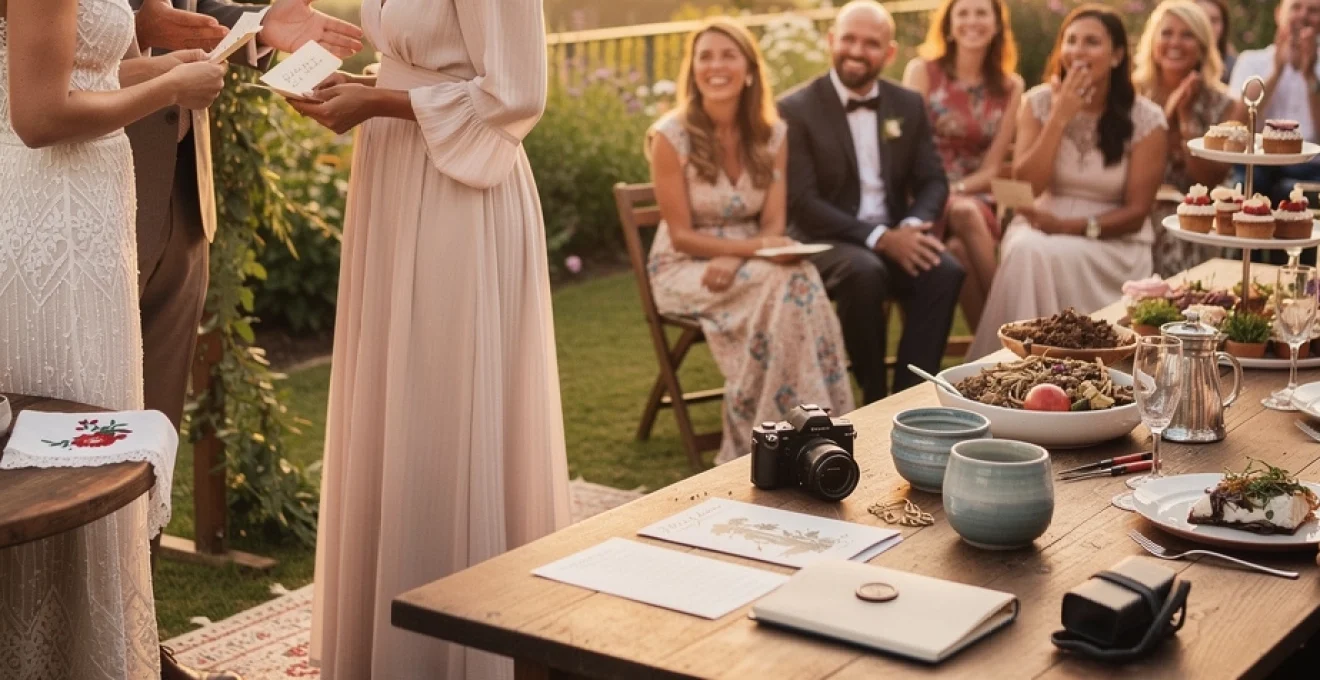
Modern couples increasingly seek wedding experiences that transcend conventional traditions, craving celebrations that genuinely reflect their unique love stories and shared values. The contemporary wedding landscape has witnessed a profound shift from cookie-cutter ceremonies towards deeply personal celebrations that honour individual narratives, cultural heritage, and meaningful relationships. Creating an authentic wedding requires intentional planning, thoughtful consideration of personal elements, and the courage to diverge from expected norms when they don’t align with your vision.
Authenticity in weddings isn’t merely about incorporating a few personal touches—it’s about fundamentally reimagining each element of your celebration to reflect who you are as a couple. This approach transforms your wedding from a generic event into a meaningful milestone that resonates with both you and your guests for years to come.
Personal narrative integration through bespoke ceremony elements
The ceremony forms the emotional centrepiece of your wedding celebration, offering countless opportunities to weave your personal story throughout the proceedings. Traditional wedding structures provide a solid foundation, but the most memorable ceremonies emerge when couples thoughtfully customise elements to reflect their journey, values, and aspirations for their future together.
Custom vow writing techniques using shared memory anchoring
Personal vows represent one of the most powerful ways to infuse authenticity into your ceremony, transforming generic promises into deeply personal declarations. Effective vow writing begins with identifying pivotal moments in your relationship—the first meeting, significant challenges overcome together, or quiet everyday moments that exemplify your bond. These memories serve as anchors, grounding your promises in concrete experiences rather than abstract concepts.
Consider structuring your vows around specific anecdotes that demonstrate your partner’s character or highlight your growth as a couple. Instead of simply promising to love and honour, describe what those commitments mean through the lens of shared experiences. For instance, reference how your partner supported you during a career change or how their sense of humour sustained you through difficult times.
Unity ceremony personalisation beyond sand and candle rituals
While sand ceremonies and unity candles remain popular choices, truly personalised unity ceremonies draw directly from your shared interests, cultural backgrounds, or professional lives. Wine blending ceremonies work exceptionally well for couples passionate about viticulture, whilst artists might create a collaborative painting during their ceremony. Consider activities that reflect your hobbies or future plans—planting a tree together if you’re environmentally conscious, or combining ingredients for a signature cocktail if you’re food enthusiasts.
The key lies in selecting activities that feel natural and meaningful rather than performative. Your unity ceremony should represent something you’d genuinely enjoy doing together, creating a moment of authentic connection amidst the formal proceedings.
Family heirloom incorporation within modern wedding frameworks
Family heirlooms provide tangible connections to your heritage whilst honouring the relationships that shaped your values and character. Beyond wearing grandmother’s jewellery or carrying a vintage handkerchief, consider more creative integration methods. Incorporate fabric from a deceased relative’s clothing into your bouquet wrapping, use family china for your cake service, or display photographs of ancestors’ weddings alongside your guest book.
These elements work particularly well when accompanied by brief explanations for guests who might not understand the significance. Consider including information in your programme or asking your officiant to acknowledge these meaningful inclusions during the ceremony.
Cultural heritage fusion strategies for Mixed-Heritage couples
Couples from different cultural backgrounds face the unique opportunity to create celebrations that honour multiple traditions whilst establishing new family customs. Successful cultural fusion requires respectful research and thoughtful integration rather than superficial borrowing. Consider consulting with family elders or cultural advisors to ensure authentic representation of important traditions.
Effective fusion might involve incorporating music from both cultures during different ceremony phases, serving foods that represent each heritage during cocktail hour, or including readings in multiple languages. The goal isn’t to create a museum exhibit but to craft a celebration that feels genuine to your blended identity as a couple.
Venue selection and atmospheric curation for authentic storytelling
Your venue choice significantly impacts your wedding’s authenticity, as the physical environment shapes every guest interaction and photographic memory. Rather than selecting venues
based purely on aesthetics or capacity, begin with a simple question: “Where does our story already live?” Perhaps it is the tiny restaurant where you had your first date, the woodland where you walk your dog every Sunday, or your grandparents’ garden that has hosted every big family celebration. When you choose a meaningful wedding venue aligned with your shared history, the space itself does some of the storytelling for you, and every corner holds emotional resonance rather than feeling like a blank, generic backdrop.
Meaningful location scouting based on relationship milestones
An intentional venue search starts with mapping out the major milestones of your relationship. List the places that mean something to you: where you met, where you said “I love you” for the first time, where you got engaged, the city you moved to together, or even a favourite holiday spot. Then assess which of these locations (or something similar in style and atmosphere) could practically host your celebration in terms of travel, budget, and guest numbers.
If you cannot marry at the exact milestone location, look for venues that evoke a similar feeling. For example, if your most meaningful moments have happened on coastal hikes, consider clifftop venues, waterfront restaurants, or boathouses. If you bonded over independent coffee shops and bookshops, look at converted warehouses, libraries, or intimate urban lofts. Connecting your venue to a relationship milestone turns “just another pretty space” into a chapter of your love story.
Micro-wedding transformation of personal spaces
For couples planning a micro-wedding or elopement, private and personal spaces can become incredibly powerful venues. Back gardens, family farms, city rooftops, or even your living room can be transformed with thoughtful styling into intimate wedding environments that feel deeply authentic. Because you already associate these places with everyday life, hosting your wedding there blurs the line between celebration and home, making the day feel grounded and comfortable.
When transforming a personal space, focus on atmosphere rather than elaborate decor. Simple lighting, seasonal flowers, and meaningful objects (books, records, artwork, textiles) can create a curated yet relaxed look. Consider logistical details like access for elderly guests, parking, and weather contingencies, but remember that the charm of a home-based wedding lies in its imperfections and familiarity. Your guests are stepping into your world, which instantly makes the experience more personal.
Seasonal timing alignment with couple’s anniversary dates
Choosing your wedding date based on sentimental timing rather than availability alone is another way to make your day feel like “you.” Many couples select dates close to their first date, engagement date, or a meaningful family anniversary. This creates a sense of narrative continuity and allows you to celebrate layered memories on the same day each year. It also helps guide your styling, menu, and fashion choices, because the season becomes part of your story.
For example, if you became a couple in late autumn and choose a similar date for your wedding, you can lean into cosy, candlelit reception ideas, rich seasonal menus, and deeper colour palettes. A spring anniversary might inspire fresh florals, outdoor ceremonies, and lighter fabrics. Aligning seasonal timing with your personal milestones ensures that the natural environment, light, and weather support the emotional tone you want to create.
Acoustic considerations for intimate guest experiences
The way a venue sounds is just as important as how it looks. Acoustic quality directly affects how personal and connected your wedding will feel, especially during key moments like vows, speeches, and first dances. Large echoey spaces, high ceilings, or venues with lots of hard surfaces can make it difficult for guests to hear the ceremony, which weakens emotional impact. In contrast, spaces with softer furnishings, layered textiles, and thoughtful sound systems support intimate experiences.
When visiting venues, pay attention to background noise from traffic, neighbouring events, or air conditioning units. Stand at the back of the ceremony area and check whether you can clearly hear a normal speaking voice at the front. For live musicians or DJs, ask about sound restrictions and the venue’s existing equipment. Investing in a good audio setup might not be glamorous, but it ensures that your personal vows, meaningful readings, and carefully chosen music are truly heard and felt by every guest.
Guest experience personalisation through strategic communication design
Authentic weddings are not only about how the day feels for you as a couple, but also how it feels for the people you have chosen to witness it. Strategic communication design—from your save-the-dates to your on-the-day signage—allows you to guide, welcome, and involve your guests in a way that feels thoughtful rather than transactional. Every touchpoint becomes an opportunity to share your story and values.
Start by clarifying what you want guests to understand about your wedding: Is it relaxed and informal, black-tie and elegant, child-friendly, or focused on sustainability? Use your wording, tone, and visual style consistently across invitations, your wedding website, and email updates to set expectations. For example, a message that reads, “We’d love you to join us for a laid-back garden celebration—think lawn games, good wine, and lots of laughter,” instantly signals a different atmosphere to a traditional, formal script.
On the day itself, clear and warm communication helps guests feel considered. Welcome signs that share a short version of your love story, escort cards with personalised notes, or table menus that explain why certain dishes were chosen all add layers of meaning. If you are including non-traditional elements (such as unplugged ceremonies, interactive speeches, or cultural rituals), gentle, explanatory signage or programme notes ensure guests understand and can fully engage with the experience rather than feeling unsure or excluded.
Artisanal wedding stationery and keepsake creation methods
Wedding stationery sits at the intersection of function and sentiment. It is both a practical tool—sharing important information—and a tactile expression of your aesthetic and story. Artisanal wedding stationery, whether created by a professional designer or crafted DIY, allows you to embed personal symbolism into materials, colours, and wording, turning invites and programmes into keepsakes rather than disposable items.
Consider incorporating elements that reference your shared interests or backgrounds: botanical illustrations of flowers from your childhood gardens, a subtle map motif highlighting cities that shaped your relationship, or typography inspired by your favourite book or album artwork. Handmade techniques such as letterpress, embossing, wax seals, or hand-torn edges can evoke an intimate, timeless feel, especially for couples prioritising sentimental wedding decor. For a more modern approach, minimal layouts combined with meaningful quotes or song lyrics can be equally powerful.
Keepsake creation goes beyond paper. Think about how your stationery can live on after the wedding. Vow booklets designed to be displayed on a bookshelf, a custom-printed wedding newspaper that guests will keep, or a framed invitation suite for your home office all extend the emotional life of your designs. If budget is a concern, prioritise one or two hero pieces—such as beautifully printed invitations or bespoke vow books—and keep other items digital or simplified. What matters most is that your stationery feels like an honest extension of who you are, not a generic template.
Culinary storytelling through menu curation and service style selection
Food and drink are some of the most immediate ways to make your wedding feel personal and memorable. Rather than defaulting to the standard “chicken or beef” reception menu, think of your catering as culinary storytelling. What meals have defined your relationship? Which cuisines, ingredients, or rituals say something about your backgrounds, travels, or values? A thoughtfully designed wedding menu becomes a love letter in courses.
Begin by listing your favourite foods as a couple—Saturday-morning brunch dishes, date-night favourites, street food from a meaningful trip, or recipes passed down through your families. Then work with your caterer to interpret those ideas for a wedding setting. This might look like elevated versions of comfort foods, late-night snacks inspired by student days, or dessert tables filled with family recipes contributed by relatives. If sustainability is part of your story, consider seasonal, locally sourced menus and clearly communicating this choice to guests through your printed or spoken introductions.
Service style also shapes how your wedding feels. Formal plated dinners can feel elegant and theatre-like, making each course a curated moment. Family-style sharing platters encourage conversation and a sense of community, echoing big, convivial dinners at home. Food stations and grazing tables promote movement and mingling, ideal for couples who want a relaxed, party-like atmosphere. Ask yourself: Do you imagine guests lingering at long tables in deep conversation, or circulating with small plates and cocktails? Aligning your service style with that mental image adds another layer of authenticity.
Do not forget beverages as part of your culinary storytelling. Signature cocktails named after inside jokes, local beers from places you have lived, or non-alcoholic pairings inspired by your favourite café orders all tell tiny parts of your story. Clearly labelling these choices with short explanations (“Mia’s Margarita – ordered on our first date in Barcelona”) turns a simple drinks menu into a conversation starter and a shared memory.
Photography and videography direction for authentic moment capture
Even the most personal wedding can feel generic in hindsight if the photography and videography do not reflect your true dynamic. Working intentionally with your visual team ensures that the images and films you receive feel like a genuine record of your day, not a highlight reel of posed shots. Authentic wedding photography is less about perfect angles and more about capturing the small, unscripted interactions that define your relationships with each other and your guests.
Before the day, share your priorities and boundaries with your photographer and videographer. Do you value candid, documentary-style coverage over formal portraits? Are there specific relationships—such as grandparents, chosen family, or children—you want them to pay special attention to? Providing context about key people and meaningful rituals helps your team anticipate important moments. Equally, if there are trends that do not resonate with you, such as elaborate “getting ready” shots or staged details, it is perfectly acceptable to say so.
Creating space in your timeline is also crucial for authentic moment capture. Build in short pockets of unscheduled time where you can simply be together without an agenda, whether that is a quiet first look, a walk at sunset, or ten minutes alone after the ceremony. These pauses often produce the most emotionally honest images because you are not performing for anyone. Think of your photographer and videographer as storytellers documenting a narrative rather than technicians ticking off a shot list; the more freedom and trust you give them, the more your gallery will reflect the real energy of the day.
Finally, consider how you will experience your photos and films after the wedding. Heirloom albums, printed contact sheets, or framed stills from your video encourage you to revisit the story in a tactile, intentional way, rather than letting files gather dust in a cloud folder. When you invest in visual keepsakes that you will actually handle and display, your authentic wedding day continues to influence your everyday life, reminding you not of perfection, but of the genuine, imperfect, and deeply personal celebration you created together.