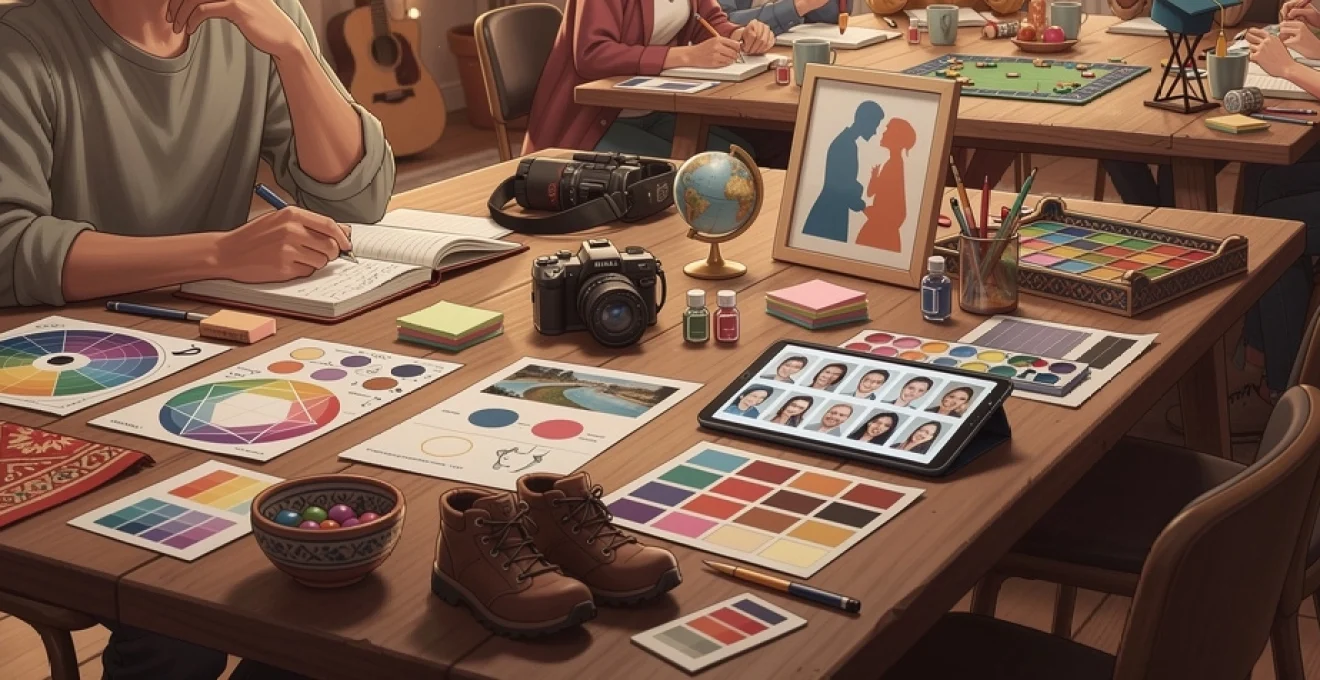
Creating authentic celebrations that genuinely reflect your personality, values, and life story requires more than following conventional party planning templates. When you design a celebration that resonates with your core identity, the resulting experience becomes deeply meaningful for both you and your guests. This personalised approach transforms ordinary gatherings into memorable moments that celebrate not just an occasion, but the unique individual you are. The art of authentic celebration design involves understanding yourself deeply, embracing your personal aesthetic, and crafting experiences that honour your journey whilst creating lasting connections with the people who matter most.
Personal values assessment framework for authentic celebration design
Before selecting venues, themes, or guest lists, successful celebration design begins with a thorough understanding of your personal values and identity markers. This foundational assessment serves as your compass throughout the planning process, ensuring every decision aligns with who you truly are rather than who you think you should be.
Core identity mapping through Myers-Briggs and enneagram analysis
Understanding your personality type provides invaluable insights into celebration preferences that feel authentically yours. Introverted personalities typically thrive in intimate gatherings with meaningful conversations, whilst extraverted types often prefer larger, more energetic celebrations with diverse social interactions. Your Myers-Briggs type influences everything from optimal guest numbers to preferred activity structures.
The Enneagram system offers additional depth by revealing your core motivations and fears. Type Four individuals might gravitate towards uniquely creative celebrations that showcase their artistic sensibilities, whilst Type Two personalities often prefer celebrations focused on bringing others joy and fostering community connections. This psychological framework helps you identify celebration elements that energise rather than drain you.
Cultural heritage integration strategies for meaningful traditions
Your cultural background provides rich material for creating celebrations that honour your heritage whilst feeling personally relevant. Consider which family traditions resonate with your current values and lifestyle, and explore ways to modernise or personalise them. Perhaps your grandmother’s recipe becomes the centrepiece of your celebration menu, or traditional music from your cultural background creates the perfect atmospheric soundtrack.
Integration doesn’t mean wholesale adoption of every cultural element. Instead, selective incorporation allows you to honour your roots whilst expressing your individual interpretation of these traditions. This approach creates celebrations that feel both familiar and fresh, connecting you to your history whilst celebrating your present identity.
Lifestyle alignment methodology for celebration planning
Your daily lifestyle choices reveal important preferences that should influence celebration design. If you’re passionate about sustainable living, incorporating eco-friendly elements like locally sourced foods, minimal waste practices, and natural decorations creates alignment between your values and celebration choices. Active individuals might prefer celebration activities that involve movement and outdoor experiences rather than purely social gatherings.
Consider how your typical week flows and what activities bring you genuine joy. These insights guide practical decisions about timing, duration, and activity selection that ensure your celebration feels natural rather than performative. When celebrations align with your authentic lifestyle preferences, both you and your guests experience greater comfort and engagement.
Personality-driven guest list curation techniques
The people you invite significantly impact the celebration’s atmosphere and authenticity. Rather than feeling obligated to invite everyone you know, focus on individuals who genuinely celebrate your journey and understand your personality. Quality over quantity becomes the guiding principle, creating space for meaningful interactions that reflect your social preferences.
Consider the group dynamics carefully. Some personalities thrive when mixing different friend groups, whilst others prefer keeping social circles separate to maintain comfort levels. Your guest list should support the type of interactions that energise you most, whether that’s deep one-on-one conversations or lively group discussions spanning various topics and interests.
Authentic venue selection based on individual aesthetic preferences
The venue sets the foundation for your entire celebration experience, making it crucial to select spaces that resonate with your personal aesthetic and comfort preferences. Rather than choosing venues based solely on capacity or convenience, consider how different environments make you feel and which settings naturally inspire the mood you want to create.
Your home represents the ultimate authentic venue choice, allowing complete control over atmosphere, décor, and flow whilst providing the comfort of familiar surroundings. Home celebrations enable you to showcase personal collections, artwork, and design choices that reflect your aesthetic sensibilities. The
However, authentic celebration design may also lead you to alternative venues that better reflect your aesthetic identity. If you feel most yourself in nature, a beach at sunset, a forest clearing, or a botanical garden might provide the ideal backdrop. If you are energised by urban environments, a small art gallery, rooftop terrace, or favourite café could mirror your everyday sense of style and rhythm. The goal is to choose a venue that already carries the emotional tone you want to create, rather than forcing a generic space to feel personal through heavy decoration.
When assessing potential spaces, pay attention to light, acoustics, and comfort. Do you prefer bright, airy rooms or cosy, dimly lit corners? Are you sensitive to noise or do you enjoy a bustling atmosphere? These subtle details influence not only your enjoyment, but also how relaxed your guests will feel. An authentic venue is one where you can imagine yourself spending an ordinary day, elevated slightly for the occasion, rather than a setting that feels like a costume you have to wear for a few hours.
Personalised theme development using narrative psychology principles
Once you have clarity on your values and venue, the next step is to design a celebration theme that feels like a chapter from your life story. Narrative psychology suggests that we understand ourselves through the stories we tell about who we have been, who we are now, and who we are becoming. Applying these principles to celebration planning helps you move beyond generic themes towards something that reflects your personal narrative. Instead of asking « What theme is trendy? », you begin with questions like « What story about my life do I want this celebration to tell? »
Designing a celebration that feels true to who you are means weaving together key memories, symbols, and emotions into a coherent experience. Think of your event as a living scrapbook or short film, where each element—music, décor, food, and activities—represents a scene. When your theme is rooted in your own story, even simple details become powerful. Guests are not just attending a party; they are stepping into an environment that reveals something real and precious about you.
Autobiographical memory integration for storytelling elements
Autobiographical memories are the anchor points of your self-story, and they can serve as rich inspiration for meaningful celebration themes. Start by listing significant life moments: a transformative trip, a childhood ritual, a personal achievement, or an unexpected turning point. Which memories evoke strong emotion when you think about them? Those are the ones that can shape your celebration narrative. For example, if a solo journey changed how you see yourself, you might integrate subtle travel motifs, maps, or photos from that experience into your décor.
Rather than recreating memories literally, you can translate their essence into design choices. If your favourite childhood memory is reading under a tree, your celebration could feature a cosy « story corner » with books that have influenced you. If a certain song has accompanied many important moments, it might serve as a recurring musical motif throughout the event. By consciously integrating autobiographical memories, you create a celebration that reminds you—and shows others—how you became who you are today.
Symbolic representation techniques for personal milestones
Symbols allow you to express complex experiences in simple, elegant ways. In the context of milestone celebrations, symbolic representation might include objects, colours, numbers, or rituals that stand for different stages of your journey. For instance, you might display one meaningful object for each decade of your life, each with a short note explaining its significance. Alternatively, you could design a timeline wall where photos and short captions symbolise key moments of growth, challenge, and joy.
Think of symbols as shorthand for your deeper story. A plant that has been with you through multiple house moves might represent resilience and continuity. A particular dish could symbolise independence if it was the first recipe you mastered living on your own. When guests encounter these symbols, they are invited into your inner world without needing long explanations. This approach is especially powerful if you prefer subtlety over grand speeches, yet still want your celebration to honour your personal milestones in a heartfelt way.
Colour psychology application in theme creation
Colour psychology can help you design a celebration environment that feels emotionally aligned with your intentions. Different colours are associated with different moods: soft blues and greens often suggest calm and reflection, warm oranges and yellows evoke joy and sociability, while deep jewel tones can convey elegance and depth. Ask yourself: how do you want to feel during this celebration—energised, peaceful, nostalgic, bold? Let that answer guide your primary colour palette rather than defaulting to traditional options.
You can also use colour to mirror aspects of your personality. If you are known for your grounded, steady presence, earthy tones and natural textures may feel truer than high-contrast, saturated colours. If you are playful and creative, unexpected colour combinations or small « pops » of vibrant hues can echo that spirit. Even minimalist palettes can be highly expressive when chosen intentionally. The aim is not to impress with complexity, but to surround yourself with colours that feel like an external expression of your inner landscape.
Sensory experience design reflecting individual preferences
Authentic celebration design goes beyond visuals to include all five senses. Sensory experience design asks: what sounds, scents, textures, tastes, and visual cues make you feel most at home in yourself? If certain music genres always lift your mood, they should be central to your playlist or live entertainment. If you are sensitive to strong fragrances, opt for subtle natural scents or unscented candles rather than overpowering diffusers. These details may seem small, but together they shape how safe, seen, and relaxed you feel in your own celebration.
Consider designing « sensory zones » that cater to different needs. A lively area with upbeat music, bold flavours, and vibrant colours might suit guests who enjoy high energy, while a quieter corner with softer lighting, comfortable seating, and gentle background music supports deeper conversation. This approach honours both your personality and your guests’ diverse preferences. When your senses feel cared for, you are more likely to be fully present—creating the conditions for the meaningful memories you want this celebration to hold.
Bespoke celebration elements that reflect personal interests and hobbies
Your interests and hobbies are some of the clearest indicators of what makes you feel alive, yet they are often overlooked in traditional celebration planning. Instead of separating « real life » from « special occasions », ask how you can bring your favourite activities into the event itself. If you love cooking, you might host a collaborative meal where guests help assemble dishes or share family recipes. If you are passionate about photography, you could curate a small exhibition of your work, turning part of the venue into a mini gallery that sparks conversation.
Designing bespoke elements around your hobbies also makes it easier to feel comfortable and confident during the celebration. For example, a music enthusiast might invite a local jazz trio and collaborate on a set list that reflects key chapters of their life. A dedicated reader could name tables after favourite authors or create a « book swap » where guests bring a volume that has shaped them. When your interests are woven into the experience, guests gain a deeper understanding of who you are beyond your professional role or family identity, and the event becomes an authentic portrait rather than a generic template.
Meaningful guest experience design through personalised interaction strategies
Even the most beautiful setting can feel hollow if the social experience does not align with your values and personality. Meaningful guest experience design focuses on how people will interact, connect, and feel throughout the celebration. Instead of relying solely on unstructured mingling, you can intentionally shape the flow of conversations and activities to reflect what matters most to you. Do you value depth over breadth, or do you thrive on variety and movement? Your answer will guide how you structure the evening, from seating arrangements to conversation prompts.
Personalised interaction strategies also help reduce social anxiety—for you and your guests. When people are given gentle guidance on how to connect, the pressure to « perform » socially diminishes. Simple tools like thoughtfully designed name tags, short introductions, or shared activities can quickly turn a room of acquaintances into a temporary community. In this way, your celebration becomes not only a reflection of who you are, but also a container for the kinds of relationships and conversations you want to foster in your life more broadly.
Authentic conversation facilitation techniques for intimate gatherings
For smaller, more intimate celebrations, conversation is often the main event. Facilitating authentic dialogue does not require formal scripts; it simply means creating conditions where people feel safe and inspired to share. You might place subtle question cards on tables with prompts such as « What is a moment with the host that you cherish? » or « What is something you’re quietly proud of this year? » These gentle cues can move discussions beyond small talk without feeling forced. Have you ever noticed how one thoughtful question can shift an entire evening’s mood?
If you feel comfortable, you can also structure a short « story circle » where guests are invited to share a memory or reflection. Let people know in advance so they have time to think, and emphasise that participation is optional. This approach works especially well for milestone celebrations or living-wake-style gatherings where the goal is to express appreciation while the honouree is present. The key is to balance structure with spontaneity: offer enough guidance to open meaningful pathways, but leave room for organic, unexpected moments of connection.
Activity selection based on host personality and guest demographics
Choosing activities that align with both your personality and your guest demographics ensures that everyone feels considered. If you are an introvert, you might favour low-pressure activities such as collaborative playlists, art stations, or quiet games that give people something to do with their hands while they talk. Extraverts, on the other hand, may enjoy group dances, interactive games, or open-mic segments that invite participation. Consider your guests’ ages, abilities, and cultural backgrounds as well—what will feel inclusive rather than intimidating?
Think of activities as the « architecture » of your celebration: they guide how people move, interact, and remember the event. A mixed-age group might appreciate a simple photo scavenger hunt featuring meaningful locations or objects related to your story. A close-knit circle could enjoy sharing « roses and thorns » from their relationship with you—highlighting both joyful moments and challenges you’ve overcome together. By choosing activities that respect different comfort levels, you create an environment where guests can engage in ways that feel natural to them, while still aligning with the overall tone you want to set.
Memory-making opportunities aligned with personal values
Intentional memory-making goes beyond taking photos; it is about designing moments that encapsulate your values and the spirit of the occasion. If gratitude is central to who you are, you might include a ritual where guests write messages in a journal or on cards you can revisit later. If creativity is a core value, you could set up a collaborative art piece—such as a canvas, quilt, or mosaic—that everyone contributes to during the event. These tangible artefacts act like anchors, helping you and your guests remember not just what happened, but how the celebration felt.
Consider also how you want memories to be captured and shared. Do you prefer candid images over posed photos? Would you enjoy a short video of guests sharing one-word wishes for your next chapter? Clarifying these preferences in advance helps your photographer, videographer, or creative friends document the event in a way that matches your aesthetic and emotional tone. When memory-making is aligned with your values, you emerge from the celebration not just with digital files, but with keepsakes and inner impressions that continue to nourish you long after the day has passed.
Budget allocation strategy that prioritises authentic expression over conventional expectations
Designing a celebration that feels true to who you are does not require an extravagant budget; it requires clear priorities. A values-based budget allocation strategy starts by asking: which elements of this celebration will make it feel most « me »? For some, it might be live music, personalised storytelling, or high-quality food. For others, it could be meaningful keepsakes, travel to a special place, or professional support in capturing memories. Once you know your non-negotiables, you can confidently reduce spending on areas that matter less, even if they are conventionally emphasised.
Research consistently shows that people derive more lasting satisfaction from experiences than from material displays of wealth. Applying this insight, you might choose to invest more in guest experience—such as interactive activities or a smaller but thoughtfully curated guest list—than in elaborate décor that will be forgotten the next day. Ask yourself: if I reduced the budget for this element by half, would the celebration still feel authentic? This simple question can reveal where you are spending out of obligation rather than genuine desire.
It can also be helpful to think of your budget as a reflection of your story, not a measure of your worth. Allocating more funds to a jazz band that plays music from meaningful chapters of your life, for example, may feel more aligned than renting a larger venue simply to impress others. Similarly, opting for personalised touches—like custom labels on a favourite wine, handwritten notes, or symbolic décor—often costs less than grand gestures while delivering greater emotional impact. When your spending choices mirror your values, you are less likely to experience post-event regret and more likely to look back with a sense of integrity and joy.
Ultimately, an authentic celebration budget is an exercise in self-trust. You give yourself permission to step away from external expectations—whether that means hosting a simple backyard gathering with deep conversation, or a musical evening with a full band and curated programme—and to design an event that feels financially sustainable and emotionally rich. By aligning your budget with what truly matters to you, every pound or dollar spent becomes an investment in a memory that feels honest, nourishing, and unmistakably yours.